
 English
 Русский
 Français
 Português
 Español
 لالعربية

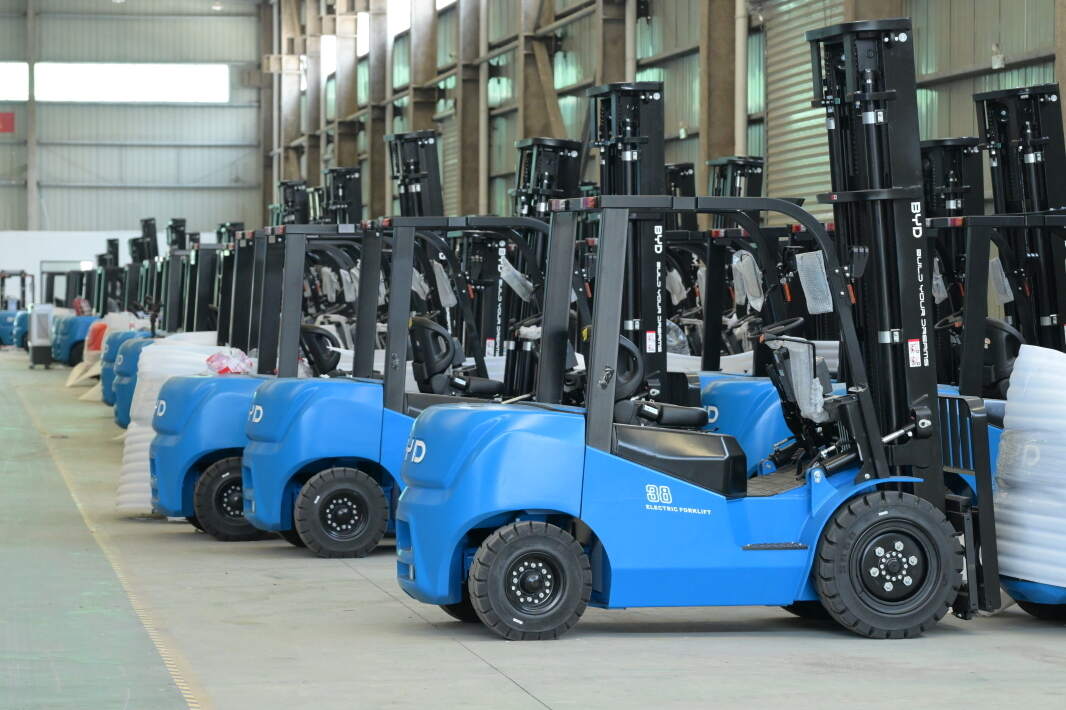
As low-carbon logistics development gains wider popularity across various industrial scenarios, electric forklifts have become one of the most commonly applied material handling equipment for indoor and semi-outdoor operation scenarios, bringing distinct operational features that differ from traditional internal combustion counterparts. Many frontline warehouse supervisors and operation personnel need systematic, practical guidance to maximize the usage value of such equipment while maintaining stable long-term performance.
Core Operational Advantages of Modern Electric Forklifts
Unlike fuel-powered models, modern electric forklifts generate zero local exhaust emission during operation, which fully fits the indoor operation requirements of closed warehouse spaces, food processing workshops, and pharmaceutical storage zones where air quality management is strictly regulated. The overall noise level of running electric forklifts stays at a relatively low range, which effectively reduces the disturbance to surrounding working staff during long-hour continuous shifts, and cuts down the risk of operational fatigue caused by persistent high noise. Most current models adopt optimized weight distribution design, which delivers smooth acceleration and precise steering control to adapt to narrow aisle operation scenarios in compact storage layouts.
Standardized Daily Operation Specifications
Before each startup shift, operators need to complete a full range of pre-operation checks, including confirming the remaining power level of the power supply system, testing the flexibility of lifting and tilting mechanisms, verifying the normal function of safety warning lights and sound prompts, and checking the wear condition of tire surfaces. During the moving and loading process, operators need to keep the load center within the rated load range marked on the equipment specification plate, avoid sudden sharp steering or urgent braking actions at high moving speed, and keep a safe distance from surrounding stacked goods and passing personnel. When the equipment is not in use for a short period, operators should lower the loading fork to the lowest position, turn off the power switch, and pull up the handbrake to eliminate hidden safety risks.
Routine Maintenance Tips for Stable Performance
Regular maintenance work should follow the official guidance provided by the equipment supplier, and be completed by trained personnel to avoid improper operation damage to core components. For the power supply system, users need to follow the correct charging operation procedures, avoid over-discharging the power to extremely low level before charging, and place the equipment in a well-ventilated dry area during the charging process. For the hydraulic system, regular check of the sealing condition of hydraulic pipelines and timely replenishment of qualified hydraulic fluid can effectively reduce abnormal wear of internal hydraulic elements. Regular cleaning of dust and accumulated debris on the surface of motor and heat dissipation parts can maintain stable heat dissipation performance, which helps extend the overall service cycle of the electric forklift.


