English
 Русский
 Français
 Português
 Español
 لالعربية


When enterprises manage internal material handling fleets in warehousing, manufacturing and port logistics scenarios, energy cost usually accounts for nearly 30% of the total daily operation expenditure, and unreasonable cost control plans may lead to unexpected extra expenditure or even affect the normal stability of daily handling work. Many fleet managers will choose to start from energy consumption reduction, but they often ignore several core practical factors in the implementation process, which reduces the actual effect of cost reduction.
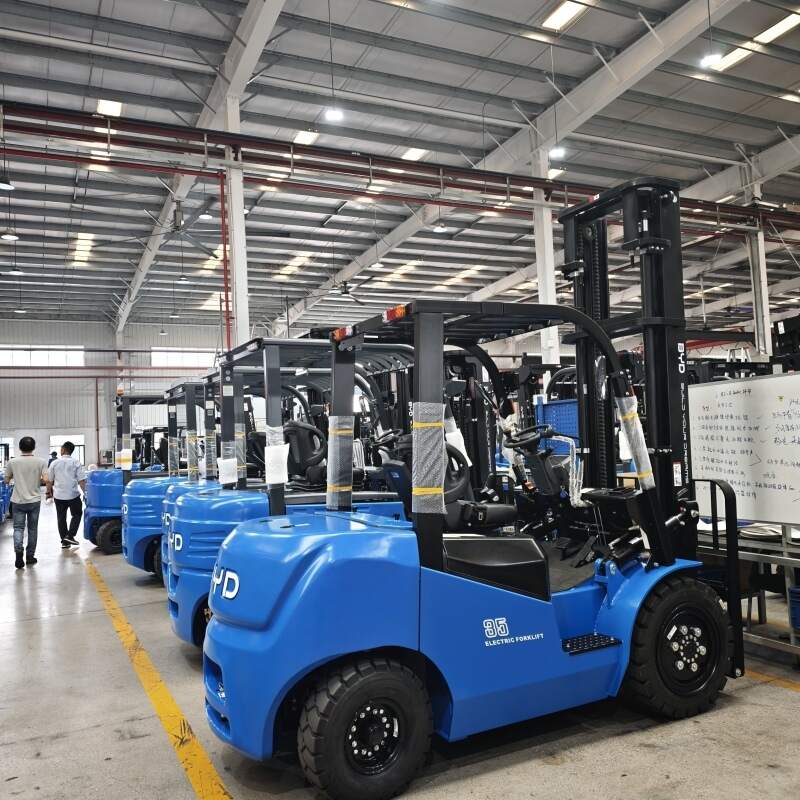
The first core factor is complete full-lifecycle energy consumption data auditing. Many teams only refer to the nominal energy consumption parameters on the product specification sheet when making optimization plans, but ignore the actual energy consumption difference under different working conditions: for example, the electric forklift running in low temperature cold storage scenario has 15% to 20% higher unit energy consumption than that in normal temperature storage, and the model for frequent heavy load stacking also has different energy consumption performance than the one for short distance horizontal transfer. Making clear the actual energy consumption data of each vehicle in different working scenarios is the solid foundation of all effective energy cost reduction measures.
The second key factor is scenario-adapted vehicle type matching. Many operation teams will select over configured forklift models for reservation in order to meet all possible operation demands, but over excess power reserve will bring extra unnecessary energy consumption in daily low load operation. Calculating the average handling weight, daily operation duration, aisle width and lifting height demand of actual work scenarios, and matching the electric forklift with corresponding performance parameters, can avoid the energy waste brought by excess performance, and bring continuous and stable cost reduction effect in long term operation.
The third non-negligible point is the supporting energy management system construction. Formulating reasonable peak-valley charging schedule according to local power price policy, arranging centralized replenishment during low electricity price period, can directly reduce the unit energy cost without affecting normal work. Regularly carrying out power system inspection and calibration, maintaining the battery health status in reasonable range, and providing standardized operation training for forklift drivers to reduce invalid empty driving and frequent sudden acceleration, can further reduce unnecessary energy loss.
As Jianxin New Energy, we focus on BYD electric forklifts, and provide customized full-link energy cost reduction solutions for all types of forklift fleet operation customers. We can combine your actual working conditions to give targeted suggestions covering model selection, daily operation and maintenance. If you have relevant consultation demands, you can send email to [email protected] for further communication.