
 English
 Русский
 Français
 Português
 Español
 لالعربية

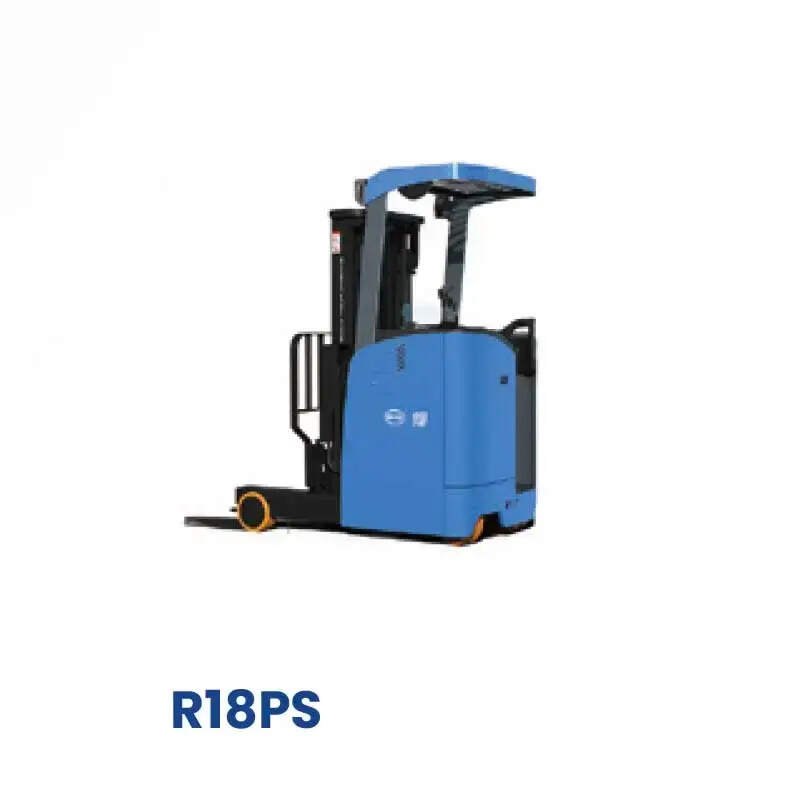
With the continuous growth of low-carbon logistics demands across the industrial sector, electric forklifts have become one of the most widely used material handling equipment in indoor warehouses, distribution centers and light industrial production workshops in recent years. Mastering correct use and management rules of such equipment can help teams get better use experience and longer service cycle without extra unnecessary input.
Core Advantages of Electric Forklifts for Modern Industrial Scenarios
Different from traditional internal combustion handling equipment, electric forklifts produce no local exhaust emission during operation, and generate much lower working noise that will not cause long-term disturbance to staff working in closed indoor spaces. Their power transmission structure has fewer easily damaged moving parts compared with traditional fuel models, which can effectively reduce the frequency of unexpected shutdowns caused by component wear in high-intensity working scenarios. For scenarios that have strict requirements on environmental cleanliness such as food storage warehouses and pharmaceutical distribution centers, electric forklifts can perfectly meet the relevant access standards without extra modification on equipment structure.
Standardized Daily Operation Specifications
Before each shift operation, operators need to complete routine check items including brake sensitivity, remaining battery level, fork wear status and steering system flexibility, and it is not allowed to drive the equipment for handling tasks when hidden risks are detected. Operators should strictly follow the rated load limit of the equipment during operation, slow down speed when turning or passing narrow aisles, and avoid sudden braking or sharp acceleration that may cause falling of stacked goods. It is not recommended to run the equipment until the battery is fully exhausted in daily use, and operators should arrange charging in time when the remaining power drops to the set warning value to avoid irreversible damage to the battery pack.
Scientific Routine Maintenance Practices
After each daily use, staff can wipe off the dust, residual cargo debris and oil stains attached to the equipment surface to prevent sundries from entering the gap of movable connection parts. Every 30 days of cumulative use, relevant management personnel can arrange inspection on the sealing performance of the hydraulic lifting system, the tightness of wiring terminals and the wear status of walking wheels, and add appropriate amount of lubricating grease to the rotating and sliding parts according to the operation manual requirements. If abnormal operation failure occurs, professional technical personnel should be arranged for troubleshooting instead of disassembling the internal circuit or power components without professional guidance.
Scenario Adaptation Tips to Improve Operational Efficiency
When configuring electric forklifts for different working scenarios, teams can select equipment with matching rated load and maximum lifting height according to the actual goods storage and handling demands. For teams that run multi-shift production plans, arranging reasonable charging schedules in non-peak power consumption periods can effectively reduce the overall energy cost of equipment use. Regular skill training for operators can also reduce the occurrence of improper operation behaviors, further extending the overall service life of the equipment.


