
 English
 Русский
 Français
 Português
 Español
 لالعربية

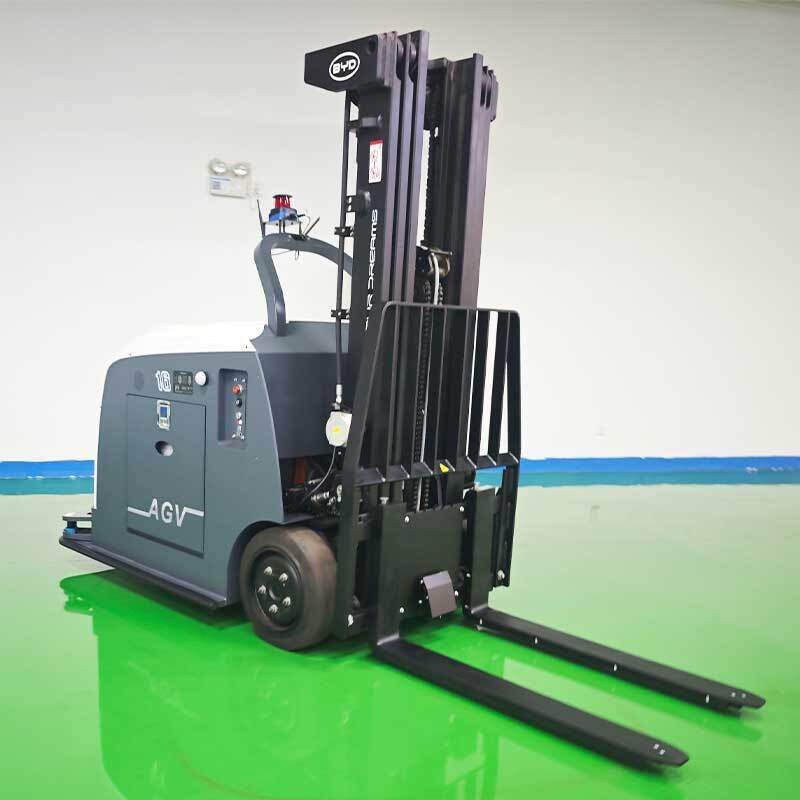
Against the background of accelerating low-carbon transformation in the global logistics industry, electric forklifts have gradually become one of the most widely used material handling tools in indoor and closed working scenarios. Different from traditional internal combustion handling equipment, electric forklifts have unique performance characteristics that require operators and warehouse managers to master targeted professional knowledge to give full play to their use value.
Core Performance Characteristics of Electric Forklifts
Most electric forklifts are driven by energy storage battery packs, with no exhaust emission during the whole operation process, which is suitable for enclosed working spaces such as finished product warehouses, cold storage and pharmaceutical storage sites. The overall noise level during operation is significantly lower than that of fuel-powered equipment, which can reduce the long-term noise interference to on-site staff and meet the occupational health management requirements of modern workplaces. The energy consumption cost per unit operation time is relatively stable, which is convenient for the operation team to carry out subsequent budget statistics and cost control.
Standardized Daily Operation Specifications
Before starting the electric forklift every day, operators need to check the remaining power level, braking sensitivity, lifting structure flexibility and tire surface condition first, and carry out trial operation at a low speed in the idle area after confirming no abnormality. During the handling process, the load weight should not exceed the rated load range marked on the equipment body, and the goods should be kept in the center of the fork arm as far as possible to avoid side tipping caused by unbalanced stress. When the equipment is not in use, the fork arm should be lowered to the horizontal position close to the ground, the power supply should be cut off and the handbrake should be pulled to complete the parking operation.
Routine Maintenance Suggestions
The shell and connector of the energy storage battery pack should be cleaned regularly to avoid the accumulation of dust and sundries affecting the heat dissipation effect, and the battery should be charged in time after the power drops to the set reminder range, to avoid long-term power loss state that may affect the overall service life. The transmission and movable connecting parts of the equipment can be coated with a small amount of special lubricant on a regular basis to reduce wear caused by long-term friction. It is recommended to arrange special personnel to record the daily operation and maintenance data of each equipment, so as to find potential abnormal conditions in time and arrange professional inspection work.


