
 English
 Русский
 Français
 Português
 Español
 لالعربية


For enterprise buyers who need to deploy material handling equipment in potentially explosive work scenarios, the selection of Zone 1 forklift is a decision that requires full consideration of compliance, safety and cost-effectiveness at the same time. First of all, buyers need to clarify the definition of Zone 1 working scenario: it refers to the area where flammable gas, steam or combustible dust is likely to appear in the normal operation process for a long or short time, such as chemical raw material storage areas, paint spraying workshops, pharmaceutical production workshops and other special scenarios.
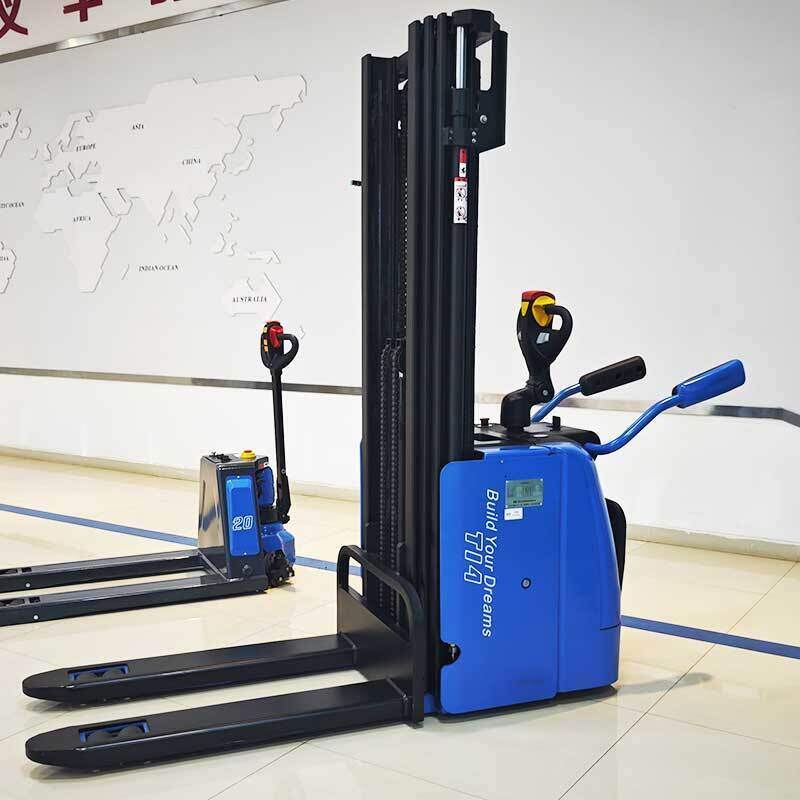
The first priority for procurement is to confirm that the equipment meets the corresponding regional safety specifications. All core electrical components of the qualified Zone 1 forklift have undergone professional explosion-proof treatment, which can effectively avoid risks such as electric sparks, static sparks or high-temperature surfaces that may trigger deflagration during normal operation. In recent years, more and more buyers choose electric Zone 1 forklifts instead of traditional internal combustion models. This type of equipment has no exhaust emission, lower operating noise, and lower daily energy consumption cost, which can well meet the requirements of green and low-carbon production in modern industrial sites.
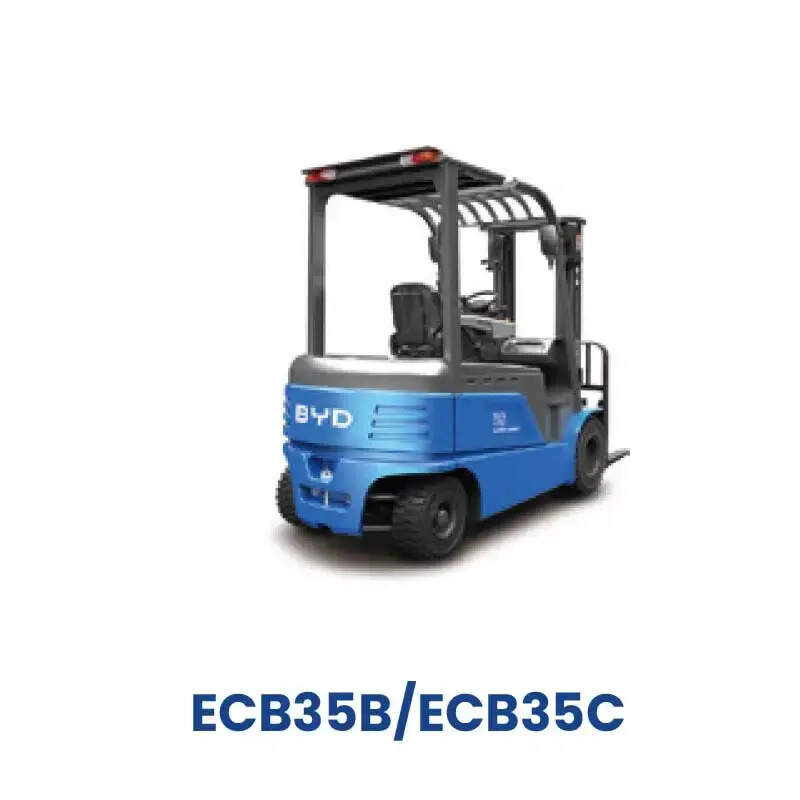
In the actual procurement process, buyers also need to match the parameters of the equipment according to their own site conditions, including rated load, maximum lifting height, minimum passage width required for turning, etc. The humanized design of the operation cab can also reduce the fatigue of operators during long-time continuous work, and effectively improve the overall operation efficiency.
As Jianshu New Energy, we focus on BYD electric forklifts, and can provide customers with professional supporting solutions for Zone 1 forklift scenarios. If you have relevant consultation demands for procurement or scheme matching, you can send an email to [email protected] to obtain detailed support information. For daily operation, the user team also needs to arrange regular professional inspection and maintenance for the equipment, and it is not allowed to modify the internal electrical components of the equipment without permission, so as to ensure that the equipment maintains stable and safe operation performance for a long time.


