
 English
 Русский
 Français
 Português
 Español
 لالعربية

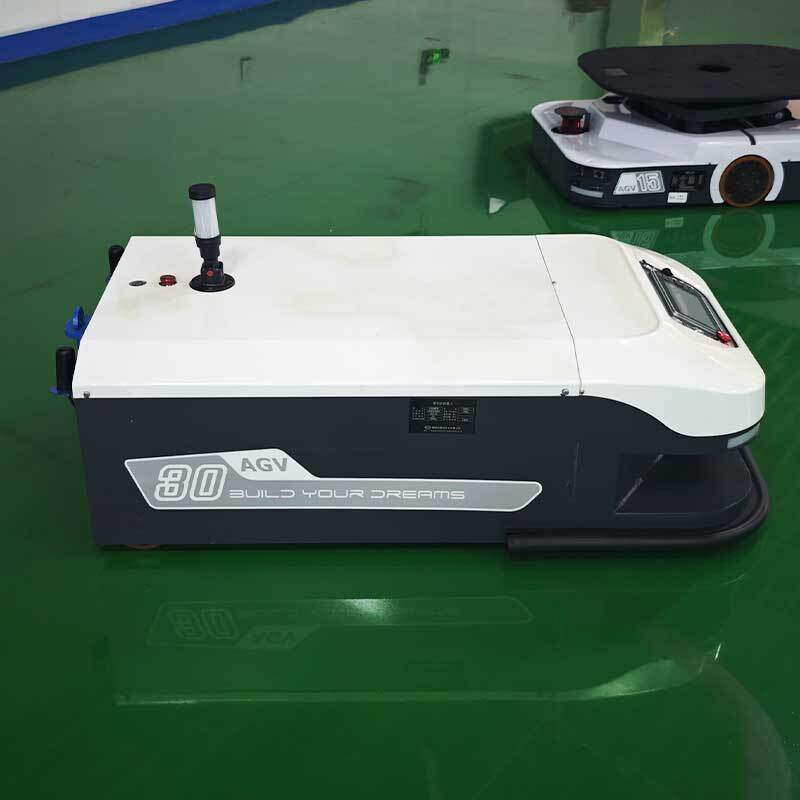
As low-carbon logistics becomes a core development trend in the industrial field, electric forklifts have become a widely applied handling tool in warehouses, manufacturing workshops and port cargo yards, supporting operators to complete cargo stacking, short-distance transfer and other regular work with flexible performance and low operating noise.
Core Advantages of Electric Forklifts in Industrial Scenarios
Compared with traditional internal combustion handling equipment, electric forklifts produce no tail emissions during the entire operation process, which can meet the strict environmental access requirements of enclosed storage spaces such as food warehouses and pharmaceutical storage areas. The low operation noise feature also effectively reduces the noise interference to frontline staff who work for long shifts, creating a more friendly working environment. Most power components of electric forklifts adopt modular design, which lowers the difficulty of daily inspection and subsequent component replacement to a certain extent.
Standardized Operation Practices to Avoid Unnecessary Wear
Operators need to complete full pre-operation checks before each use, covering the remaining power status of the power system, the flexibility of the lifting hydraulic structure, and the sensitivity of the braking and steering system. During operation, it is recommended to avoid overloading beyond the rated load range for a long time, and reduce the occurrence of violent steering or emergency braking on uneven road surfaces. When the equipment is not in use, the fork should be lowered to a preset safe height, the main power supply should be turned off in time, and the whole vehicle should be parked in the designated ventilation storage area.
Routine Maintenance Tips to Reduce Unplanned Downtime
Daily maintenance work can be divided into post-shift inspection, weekly component fastening and regular professional detection of the power system. For the power battery part, users are advised to avoid frequent over-discharging and over-charging, and clean the dust and sundries on the equipment surface regularly to prevent foreign matters from entering the moving gap of the transmission part and causing abnormal wear. Following the official manual to arrange regular maintenance can effectively reduce the probability of sudden equipment failure in peak working periods, and further improve the use value of electric forklifts in daily operation.


