
 English
 Русский
 Français
 Português
 Español
 لالعربية


Many modern manufacturing and processing facilities choose to deploy intermittent production systems to adapt to diversified market demands, instead of running all production lines at full load around the clock. This production mode arranges different batches of products for targeted production in separate time periods, avoiding long-term idle of equipment caused by mismatched supply and demand, and bringing far more flexible operation space for small and medium-sized production entities.
The core advantages of intermittent production system are reflected in multiple practical operation links. First, it supports fast switching between different SKU production tasks, and enterprises can adjust production arrangements according to actual order volume, without generating excess inventory that cannot be digested. Second, it effectively reduces unnecessary energy and resource consumption caused by long-term no-load operation of production lines, and helps facilities arrange maintenance and personnel rest reasonably in the blank production period, extending the overall service life of production equipment. Third, this mode can quickly respond to temporary customized order demands, greatly improving the overall market responsiveness of the facility.
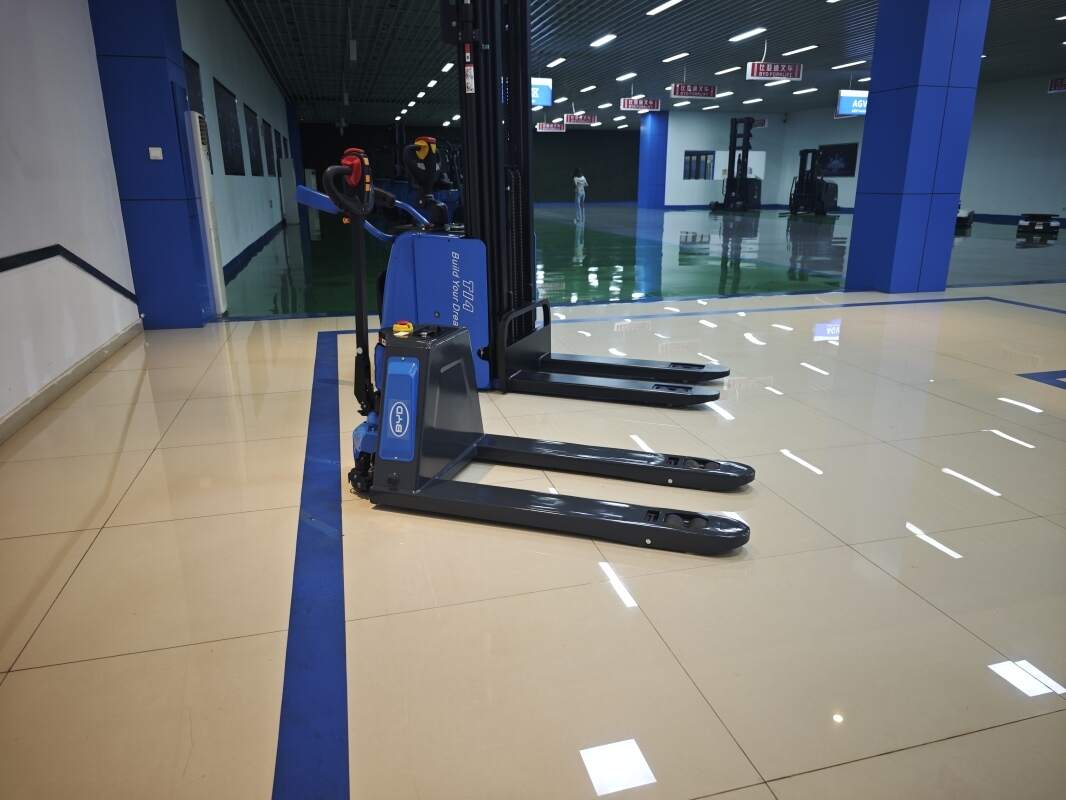
To give full play to these inherent advantages of intermittent production system, it is necessary to support a set of flexible, low-consumption and highly adaptable material handling system. Traditional fuel-powered handling equipment often has high operating cost, large emission and high noise, which cannot match the frequent short-distance transshipment, frequent start-stop and cross-workshop transfer demands under intermittent production scenarios, and will also cause extra burden for facilities to meet green production compliance requirements.
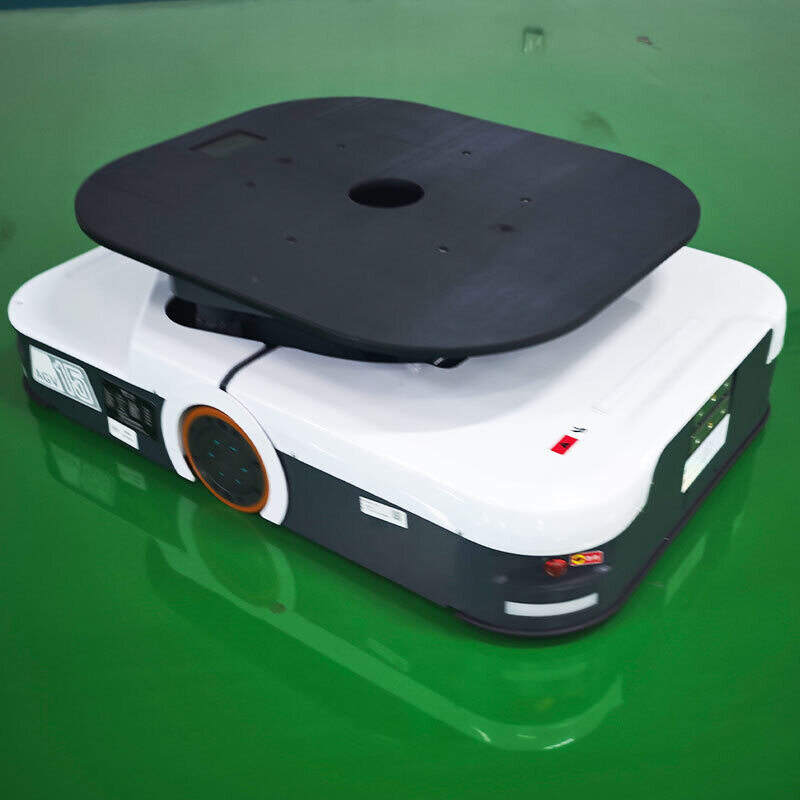
Jianshu New Energy, focusing on BYD electric forklift, provides highly matched material handling solutions for facilities adopting intermittent production systems. Our electric forklift products have stable endurance performance, zero tail gas emission, low operation noise, and no extra fuel storage space is required. They can perfectly adapt to the elastic scheduling demands of intermittent production, no matter it is peak production period with large material transshipment volume or low peak period with infrequent handling demands, the equipment can always maintain low operating cost and bring stable and reliable handling performance. The battery system of the equipment also reduces extra maintenance work in non-production period, which fits the blank arrangement of intermittent production mode very well.
If you want to know more details about material handling solutions that adapt to intermittent production system, you can contact us via [email protected].


