English
 Русский
 Français
 Português
 Español
 لالعربية


Against the background of steady expansion of Kenya’s e-commerce, cross-border logistics and local manufacturing sectors in recent years, the selection of material handling equipment has become a core factor influencing the long-term operating profit of related enterprises. Most equipment operators used to make purchasing decisions only referring to the upfront price of forklifts, while ignoring the total cost of ownership covering the whole lifecycle of the equipment, which often brings extra hidden expenditure that is hard to predict later.
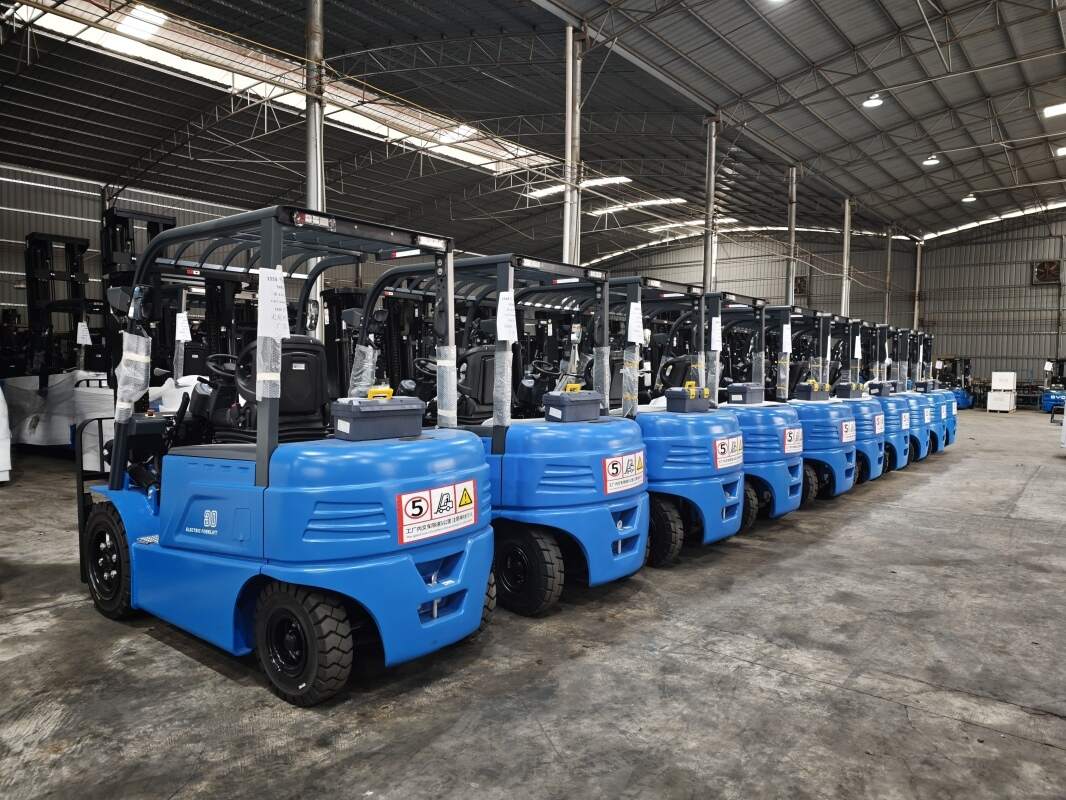
Triplex mast forklifts, as a widely applicable material handling model, can realize higher lifting height while maintaining a compact body size, which perfectly adapts to the narrow passage operation scenarios of most small and medium-sized warehouses, port yards and retail distribution centers across Kenya. The total cost of ownership of this type of equipment can be disassembled into four core parts for accurate calculation.
The first part is the initial procurement cost. In recent years, the price gap between electric triplex mast forklifts and same-class traditional diesel equipment has been narrowed gradually, and the local supportive policies for low-carbon logistics equipment can further reduce the upfront input pressure for purchasers.
The second part is daily operation cost. The local fossil fuel price in Kenya has shown a fluctuating upward trend for years, while the energy cost of electric forklifts per unit of lifting operation is only one third of that of same-class diesel equipment, with more stable electricity price to support enterprises to make reliable long-term budget planning.
The third part is maintenance and after-sales service cost. The power system of electric triplex mast forklifts has simpler structure than internal combustion units, without complex transmission parts that need regular replacement of engine oil, filter elements and exhaust accessories. The annual maintenance expenditure is around 40% of that of traditional diesel forklifts, and reduced fault downtime can avoid unexpected operation loss for local enterprises.
The fourth part is long-term residual value and compliance benefit. Electric triplex mast forklifts in good operation condition can retain a relatively high residual value after 5 years of use, which is far higher than same-age old diesel forklifts. The zero-emission feature also fits the local tightening indoor operation environmental regulations in Kenya, avoiding potential extra compliance expenditure.
As Jian Shu New Energy, we focus on BYD electric forklifts, providing accurate and transparent full-lifecycle cost measurement support for different scales of material handling demand parties across Kenya. For any related consultation, you can contact us via the email [email protected] to get targeted suitable solutions.