
 English
 Русский
 Français
 Português
 Español
 لالعربية


Many warehouse and logistics enterprises tend to only compare the upfront purchase price when selecting material handling equipment, while ignoring the cumulative expenditure across the full service life of the forklift, which usually leads to higher unplanned operational cost in the long run. The total cost of ownership of lithium forklifts covers every expense link from procurement to decommission, and it is a more scientific dimension to evaluate the actual economic benefit of equipment.
The first part of the total cost comes from the initial procurement investment. Compared with traditional internal combustion forklifts or lead-acid electric forklifts, lithium forklifts have relatively higher upfront input, but the extra part will be offset by the savings from subsequent operation links in normal application scenarios.
The second core part of total cost is daily operating expenditure. Lithium forklifts feature higher energy conversion efficiency, their unit load handling power consumption is far lower than that of internal combustion counterparts, and there is no extra cost for fuel storage and exhaust emission treatment. Unlike lead-acid forklifts, lithium forklifts do not need frequent distilled water replenishment, acid solution maintenance and regular equalizing charging, which cuts a large part of daily labor and consumable cost.
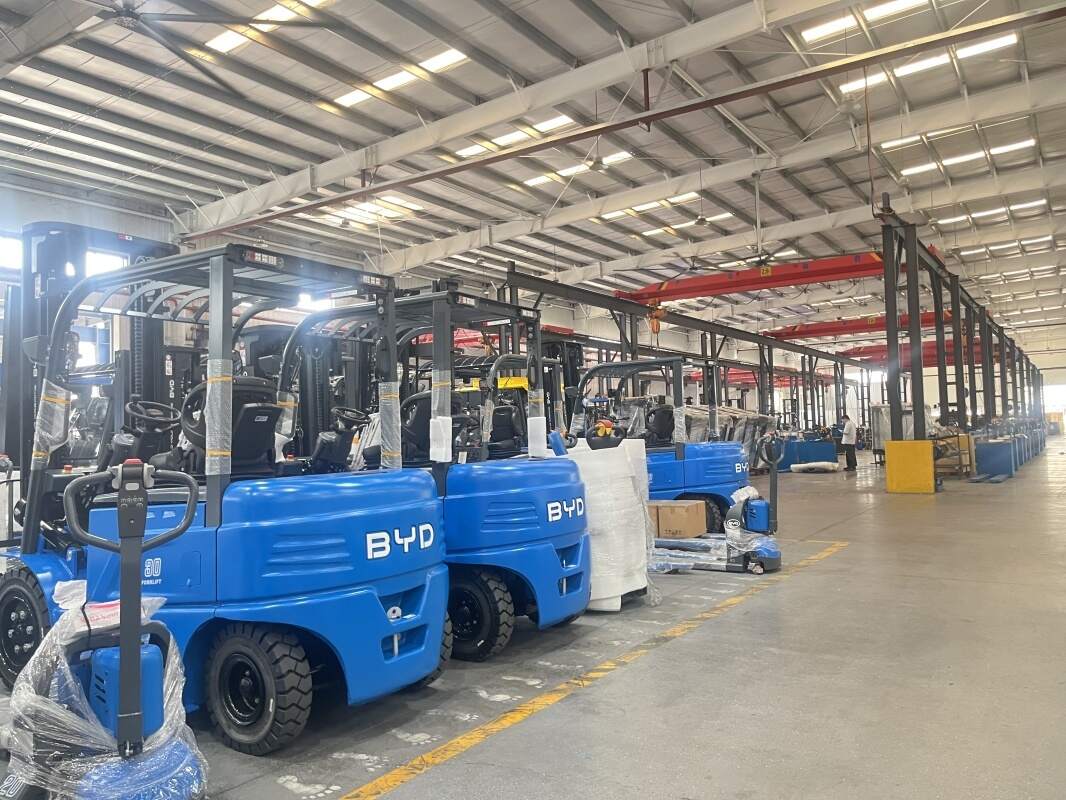
The third part is long-term maintenance and replacement cost. Qualified lithium forklifts can support thousands of charge-discharge cycles, with service life 2 to 3 times longer than common lead-acid electric forklifts. There is no need to replace the core power battery within the conventional equipment usage cycle, and the failure rate of related power components is low, which reduces the downtime loss caused by equipment maintenance.
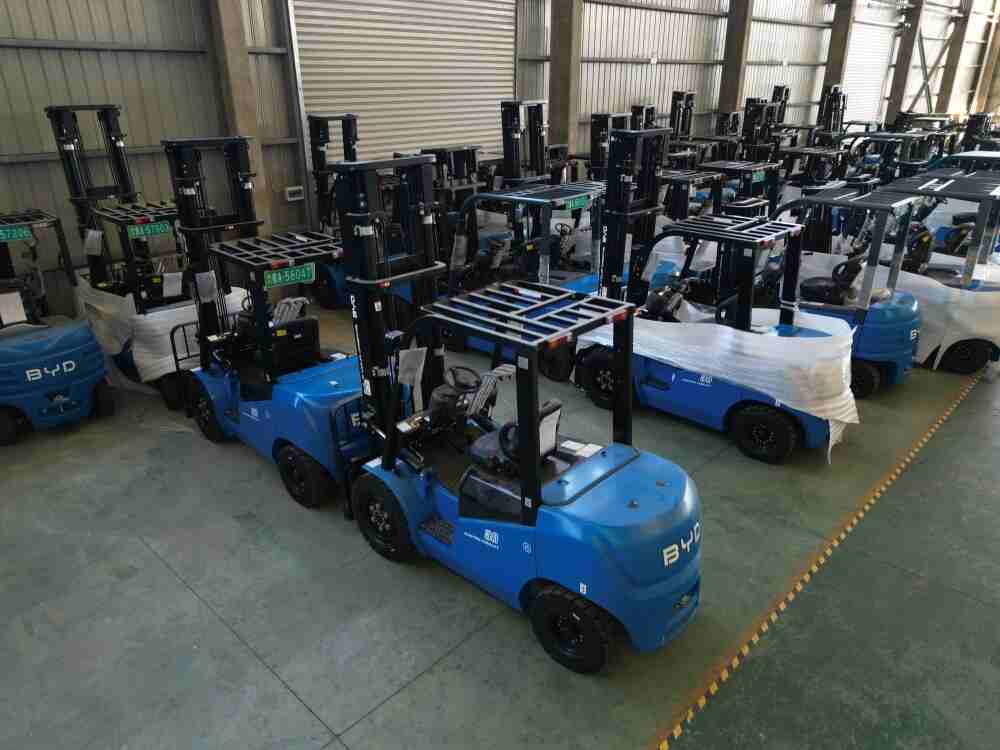
Many users also ignore the hidden cost and benefit items included in the total cost of ownership. Lithium forklifts produce no exhaust emission during operation, which can be used in closed indoor warehouses without additional ventilation system upgrade investment, and they can meet increasingly strict environmental protection regulatory requirements to avoid potential non-compliance fines. In addition, lithium forklifts usually retain higher residual value at the end of service life, which can further reduce the comprehensive expenditure.
As Jianshu New Energy, we focus on BYD electric forklifts, and we can provide professional full-lifecycle total cost assessment customized for your actual operation scenarios. If you have any relevant demand or inquiry, please send email to [email protected] for further communication.


