
 English
 Русский
 Français
 Português
 Español
 لالعربية

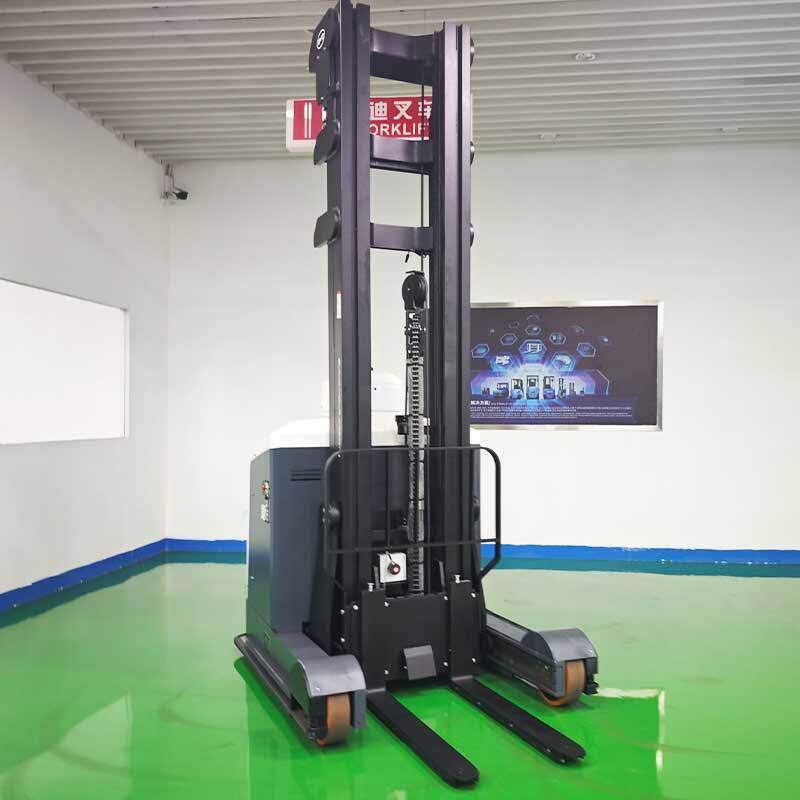
Against the backdrop of low-carbon transformation in the global logistics industry, electric forklifts have become one of the most widely applied material handling equipment for indoor and enclosed operation scenarios, due to their zero local emission, low noise level and relatively stable power output. Many logistics practitioners and warehouse managers hope to master systematic knowledge to maximize the value of such equipment in daily operations, instead of only using them as simple lifting and transporting tools.
Core Advantages of Electric Forklifts in Daily Operation
Unlike fuel-powered handling equipment, electric forklifts operate with a battery-driven power system, which does not produce exhaust gas during working hours, making them suitable for food processing workshops, pharmaceutical storage areas and other scenarios with strict air quality requirements. Their low operating noise will not cause continuous noise pollution to surrounding staff, which helps create a more comfortable working environment for long-term indoor operations. Most models also feature compact body design, which can adapt to narrow aisle operation spaces that are common in dense-rack warehouses, improving the utilization rate of limited storage area.
Key Points for Standardized Safe Operation
Operators need to receive systematic professional training before taking up posts, and get familiar with the load limit mark of the corresponding equipment before each shift. Overload operation may damage the lifting hydraulic structure and bring potential safety risks. During the moving process, operators need to keep their sight aligned with the driving direction, and keep a safe distance with surrounding goods, staff and obstacles, avoid sudden steering or sudden braking actions at high driving speed. When operating on ramp areas, operators should keep the load facing the uphill direction, and do not turn on sloped surfaces to avoid side slipping risks.
Routine Daily Maintenance Suggestions
Regular maintenance work can effectively extend the service life of electric forklifts, and reduce unexpected downtime caused by minor faults. Operators need to check the remaining battery level before each shift, arrange charging work in time after the operation period, and avoid long-term over-discharge status that may damage the battery performance. They also need to regularly check the wear condition of tires, the flexibility of lifting control handles, and the sensitivity of brake systems, and wipe away the dust and accumulated sundries on the surface of the power system regularly. Professional technical personnel can be arranged to conduct comprehensive inspection for core components every three to six months, to rule out hidden faults in time. Proper operation and scientific maintenance can help electric forklifts create more stable value in different logistics scenarios, bringing positive effects for the overall efficiency promotion of the whole material handling link.


