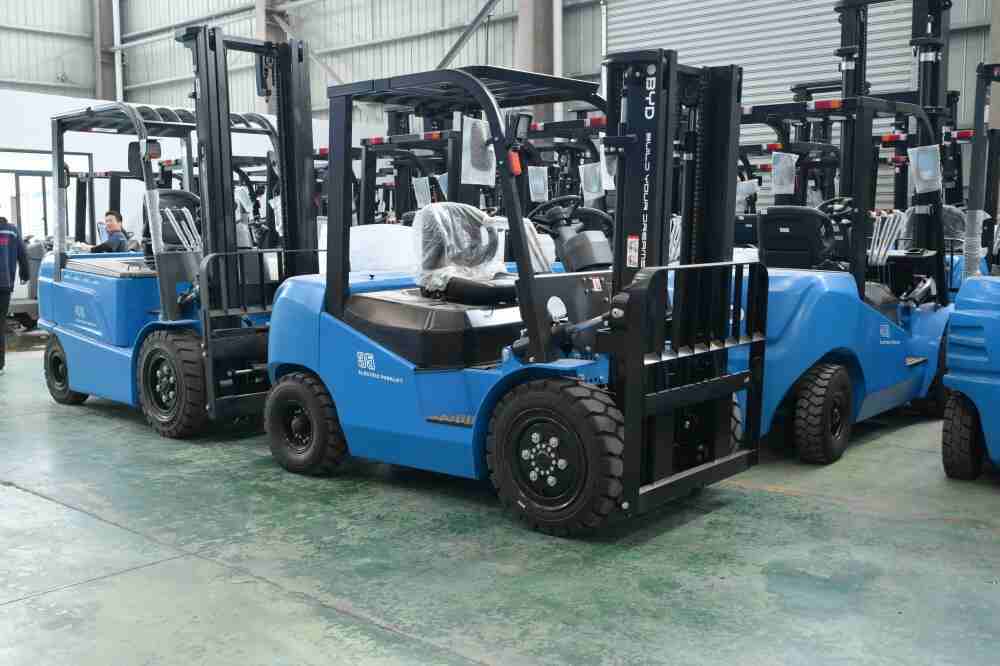
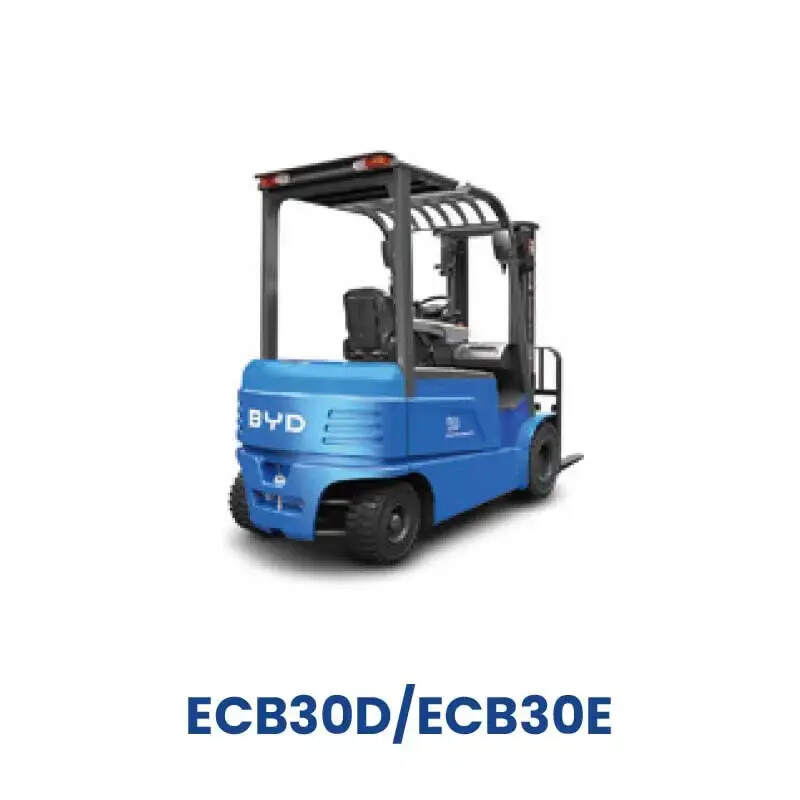
Against the backdrop of steady growth in Qatar’s warehousing, port logistics and manufacturing sectors, four-wheel forklifts have become core material handling equipment for most industrial operation scenarios. Running cost, as a core indicator that affects the long-term investment return of enterprises, has attracted increasing attention from local operation managers when selecting forklift products, especially as the local low-carbon industrial policies continue to be rolled out in recent years.
The first component of running costs comes from daily energy consumption. For four-wheel electric forklifts, the per-hour power consumption is at a relatively stable low level, which brings far lower energy expenditure than that of traditional internal combustion forklifts under the same working load. In Qatar’s high-temperature and multi-dust climate condition, traditional fuel forklifts usually face higher extra fuel consumption due to engine heat dissipation pressure, while electric forklifts with optimized thermal management system can maintain stable energy efficiency without extra consumption increase.
The second major part of running costs is daily maintenance and repair expenditure. Four-wheel electric forklifts do not have complex internal combustion engine structures, so there is no need to replace engine oil, oil filters, spark plugs and other wearing parts on a regular basis. The routine maintenance work only includes inspection of power battery, driving motor, braking system and body sealing parts. The total annual maintenance cost is much lower than that of fuel forklifts. Besides, the fully sealed structural design of mainstream electric forklifts can effectively block the invasion of fine sand and dust in Qatar’s operating environment, reduce the failure rate of core components, and further cut down unplanned maintenance cost.
There are also implicit running costs that are easy to be ignored. Local industrial parks and port operation areas in Qatar have gradually introduced carbon emission management regulations in recent years, and fuel forklifts need to apply for extra carbon emission quota for daily operation, which will generate additional hidden expenditure. Four-wheel electric forklifts achieve zero emission during operation, which can fully meet the low-carbon access requirements of various scenarios without extra cost. In addition, electric forklifts operate at a much lower noise level, which can meet the low-noise operation requirements of indoor warehousing and residential adjacent logistics points without additional noise reduction modification cost.
When calculating the total cost during the 5 to 7 year service cycle of forklifts, the overall running cost of four-wheel electric forklifts shows obvious advantages compared with fuel counterparts. We are Jianshu New Energy, focusing on BYD electric forklift solutions, for more targeted cost consultation and scene matching services, you can contact us via [email protected].