
 English
 Русский
 Français
 Português
 Español
 لالعربية


For most warehouse, manufacturing and logistics operation teams, purchasing a suitable counterbalance forklift is a core investment that affects long-term operation efficiency and cost control. Many operators may overlook key details in the early planning stage, leading to mismatched equipment, extra operating cost or frequent downtime after purchase. Following standardized planning processes can help you make a wise decision that fits your actual operation needs.
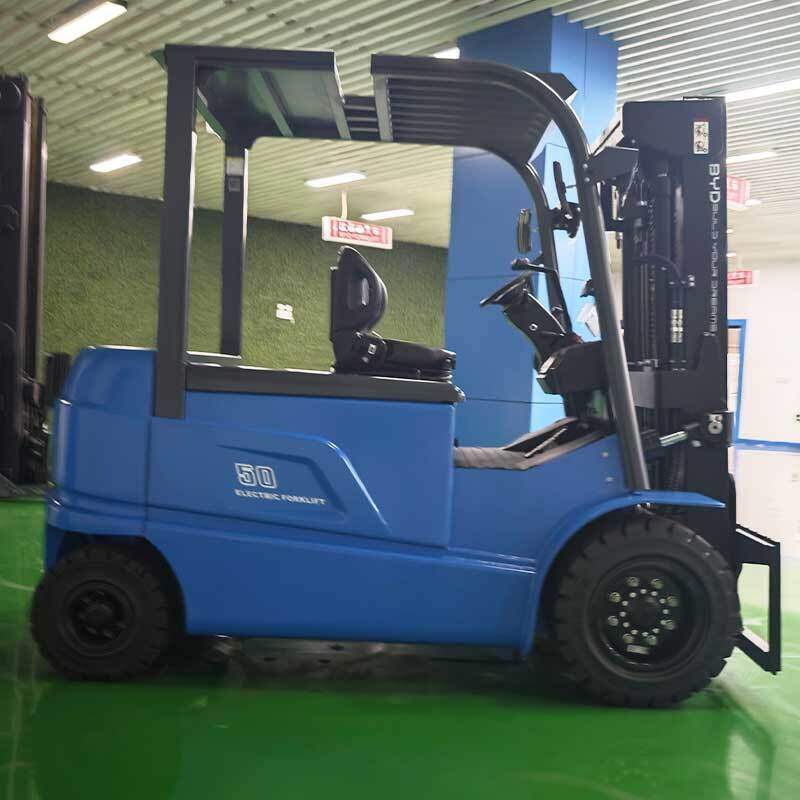
The first step of planning is to complete a full-site operation scenario assessment before checking any product parameters. You need to measure the minimum width of main operation channels, check the flatness and load-bearing capacity of the ground, count the proportion of indoor and outdoor operation scenarios, and confirm special requirements such as low temperature cold storage operation, slope passing or dust-proof operation. These basic data directly determine the required wheelbase, minimum turning radius, protection level and configuration of the forklift, which avoids the situation that the purchased equipment cannot pass through narrow channels or adapt to special working conditions.
The second step is to sort out accurate load and operation demand data. Instead of only referring to the peak maximum load, you need to record the average daily load weight, the maximum lifting height required for daily work, the remaining load demand when lifting to the highest position, and the average daily working hours of the forklift. These data can help you match the appropriate load capacity and battery capacity of the equipment, which ensures the forklift can support full-day continuous operation without frequent mid-shift charging, and guarantees the operation safety of high-lifting heavy load scenarios.
The third step is to calculate the total life cycle operating cost of the equipment, instead of only comparing the initial purchase price. Electric counterbalance forklifts have no exhaust emission, which is more suitable for long-term indoor closed operation, and the energy consumption and daily maintenance cost are far lower than traditional internal combustion forklift products, which can bring more stable long-term cost return for operation teams.
The last step is to verify the local after-sales service system of the supplier. You need to confirm the supplier can provide on-site maintenance support within a reasonable response period, sufficient spare parts supply, and free operation training for frontline drivers, which can effectively reduce the loss caused by unexpected equipment downtime.
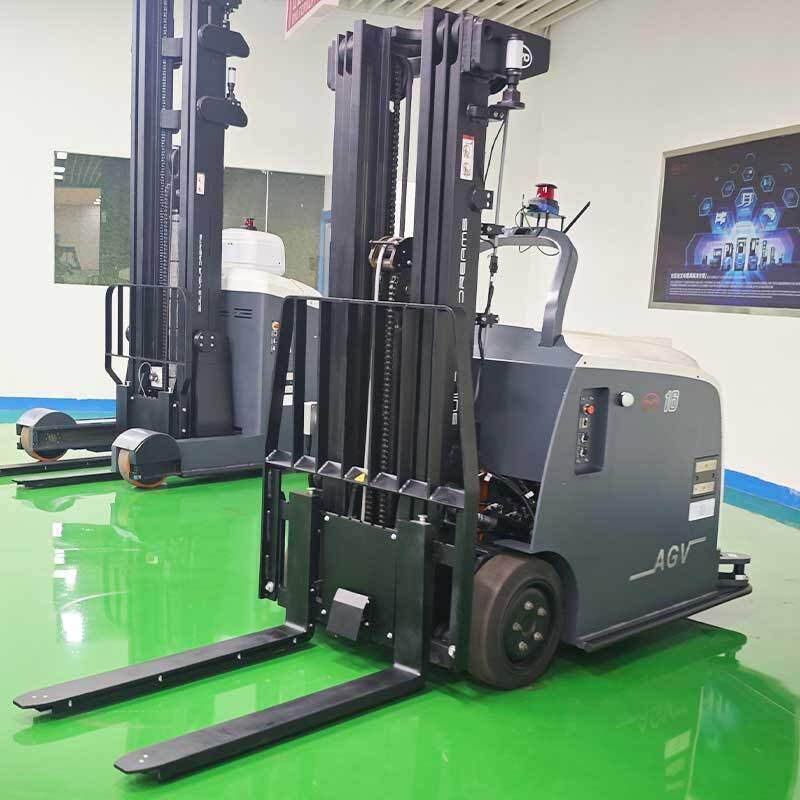
This complete planning guidance is provided by Jianxin New Energy, we focus on high-quality BYD electric counterbalance forklift related services, if you have any demand for customized purchase planning and selection suggestions, you can send email to [email protected] to get professional support.


