
 English
 Русский
 Français
 Português
 Español
 لالعربية


Pharmaceutical warehouses have far stricter requirements for material handling operations than ordinary industrial storage sites, as all operation processes need to comply with strict industry regulatory rules to avoid any potential contamination to stored drugs, medical supplies and related raw materials. Choosing and deploying suitable electric forklifts with reasonable planning will help the warehouse achieve stable, compliant and high-efficient daily operation.
The first step of planning is to complete a full-scene demand assessment. You can sort out core operational indicators including daily material handling throughput, maximum loading weight of standard pallets, maximum access height of storage racks, and minimum width of operation channels, as well as special demands for operation areas such as constant temperature storage zones, clean rooms and low-temperature refrigerated zones. All these demands will be used as basic reference to select the electric forklift with proper parameters, to make sure the equipment can adapt to all operation scenarios in the whole warehouse.
The second step is to finish compliance verification against local pharmaceutical management rules. Unlike internal combustion handling equipment, qualified electric forklifts produce no exhaust emission, no fuel leakage risk and low operation noise, which can fully avoid the risk of particulate matter or volatile pollutants contaminating stored pharmaceutical products. You can also check the shell material, structural sealing performance of the selected electric forklift, to confirm it can adapt to daily disinfection operations with common disinfection reagents, and will not leave hidden sanitation risks in long-term operation.
The third step is to plan supporting infrastructure reasonably. You can select the proper location for charging area far away from core pharmaceutical storage zones, with good ventilation and sufficient reserved operation space. Calculate the number of matching charging devices according to the actual daily working hours of the warehouse, to meet the top-up power demand for multi-shift continuous operation, and avoid unexpected operation pause caused by power shortage. You can also set up a special daily inspection area, to arrange regular status check for all electric forklifts.
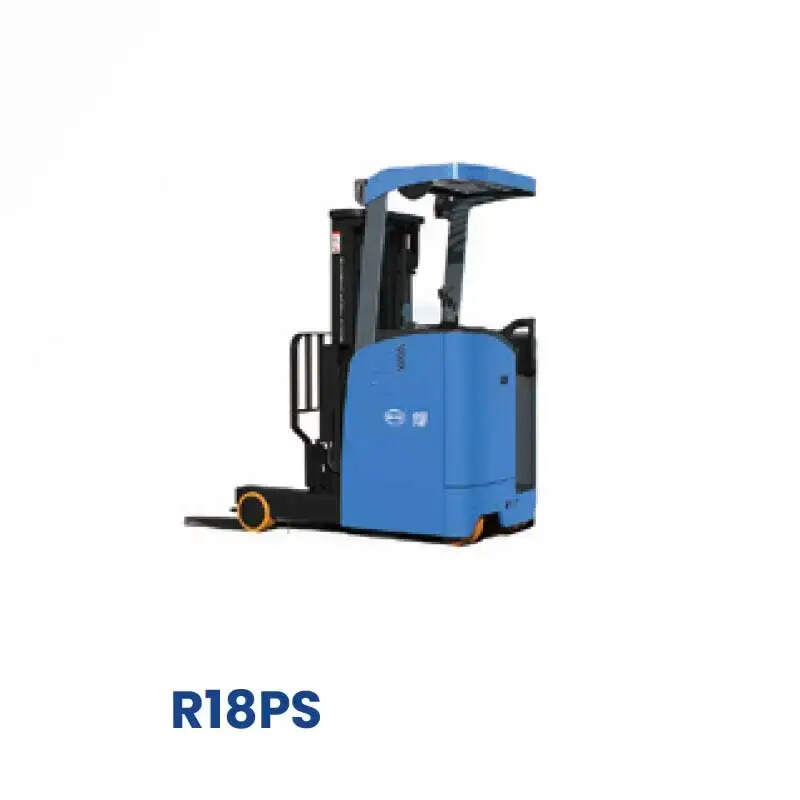
The fourth step is to build a complete operation and maintenance system. Provide targeted training for forklift operators, covering special operation specifications for different pharmaceutical warehouse areas, speed limit rules in clean zones, and operation precautions for transporting special medical supplies. Arrange regular maintenance check for all equipment, to keep the equipment in good operation status in the whole service cycle.
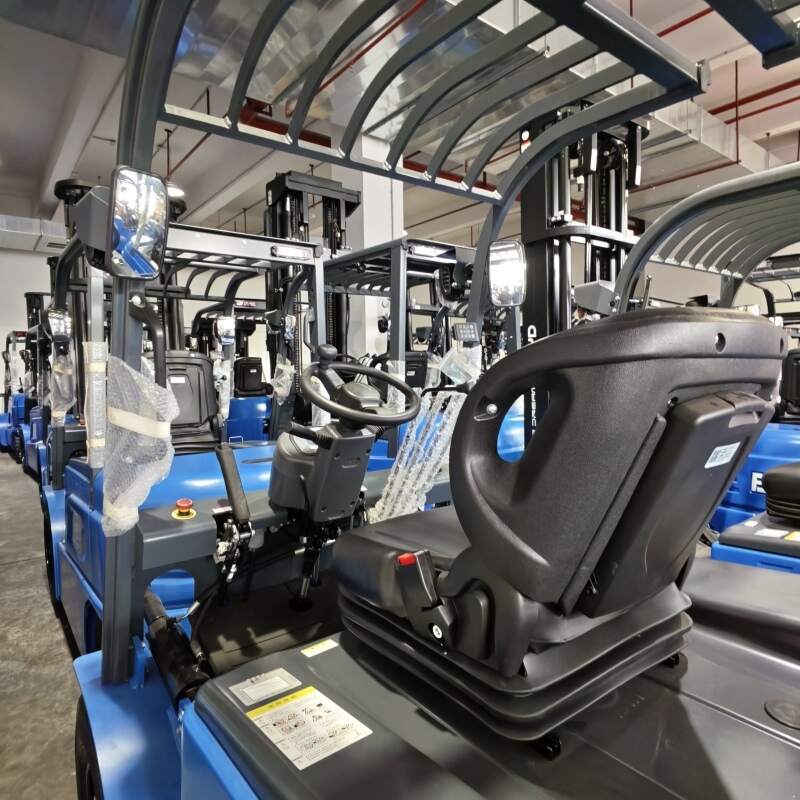
Reasonable planning for electric forklift deployment can effectively improve the material turnover efficiency of pharmaceutical warehouses, and fully meet the strict compliance requirements of the pharmaceutical industry. We are Jianshu New Energy, focusing on BYD electric forklifts. If you have related demand for planning consultation, you can send email to [email protected] for customized support.


