
 English
 Русский
 Français
 Português
 Español
 لالعربية


When warehouse operation teams decide to introduce lithium-ion forklifts to upgrade their material handling system, full pre-planning work is the core premise to make full use of the equipment’s advantages, instead of causing mismatches between device performance and actual operation demands.
The first step of planning is to conduct a full survey of your existing warehouse operation scenarios. You can sort out core operation data including daily average working hours of material handling, common cargo load range, average one-way moving distance, minimum aisle width, available idle space of the warehouse, as well as special environment factors such as low temperature cold storage or high-dust operation areas. By sorting these data clearly, you can avoid unnecessary redundant configuration for forklift parameters, and pick the most suitable lithium-ion forklift specifications to match your daily operation demands.
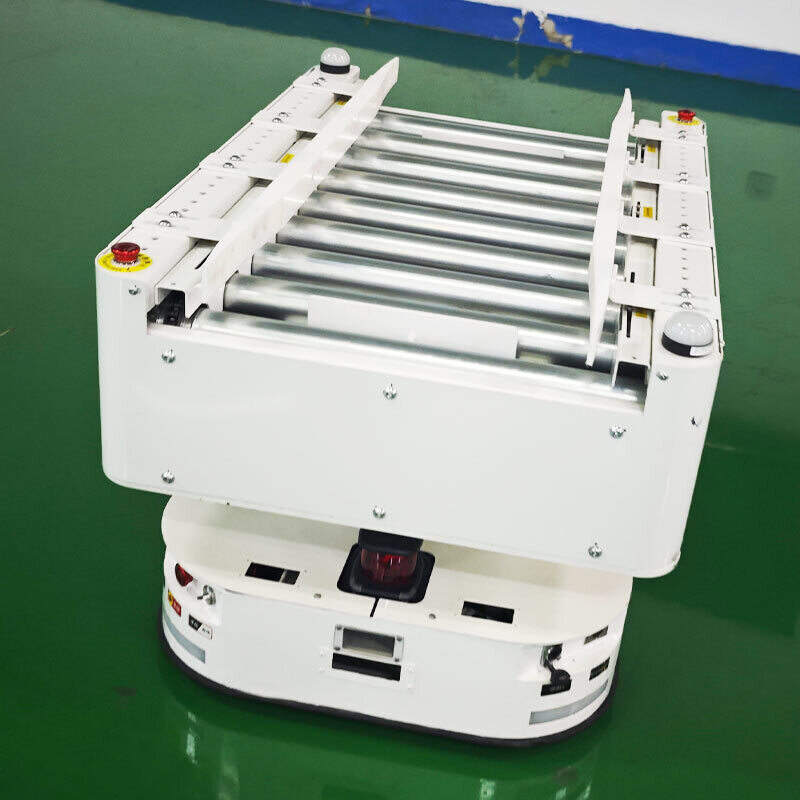
The second step is to complete the supporting facility layout planning. Different from traditional lead-acid forklifts, lithium-ion forklifts do not need special acid replacement rooms, large independent battery storage areas, or frequent routine maintenance for battery cleaning. You only need to set up several small charging points at the edge of the main operation moving lines, in ventilated and dry areas far away from core cargo stacking zones. These small charging points only take several square meters of space, and support opportunity charging during staff shift breaks, to meet the all-day continuous operation demand. This layout can release most of the space originally occupied by supporting facilities for old type forklifts, and add more available cargo storage space for the warehouse.
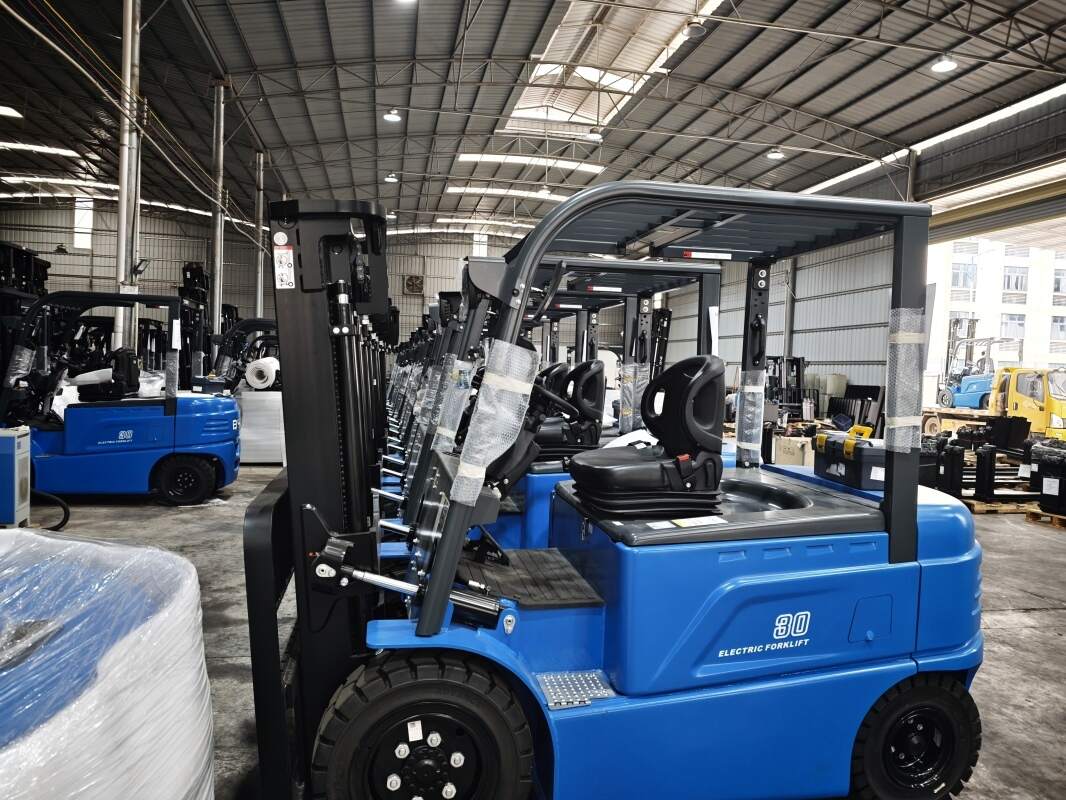
The third step is to optimize the original material handling workflow to match the characteristics of lithium-ion forklifts. The power output of lithium-ion forklifts will not show obvious attenuation with the decrease of remaining battery power, which can keep stable working efficiency even under heavy load conditions. Operation teams can allocate corresponding forklifts to different working zones according to the actual demand of each area, reduce the proportion of invalid empty driving, and further improve the overall cargo turnover efficiency.
If you need professional customized planning support for introducing lithium-ion forklifts, we are Jian Shu New Energy, focusing on BYD electric forklifts. You can send your specific demand to [email protected] for further communication.


