
 English
 Русский
 Français
 Português
 Español
 لالعربية

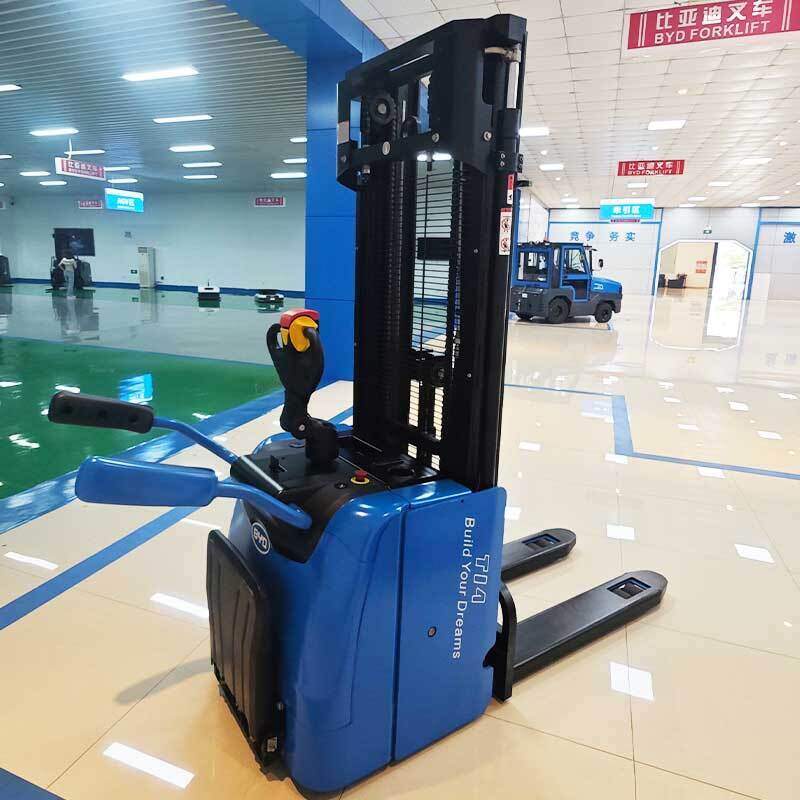
As the logistics and warehousing sector continues to shift toward low-carbon and high-efficiency operation, electric forklifts have become one of the most widely adopted material handling equipment across different industrial scenarios. As a senior practitioner with years of experience in the electric forklift industry, this guide shares practical, field-verified knowledge to help operation teams and enterprise managers make better use of this equipment, avoiding common operational mistakes that cause unnecessary cost loss.
Core Advantages of Modern Electric Forklifts
Compared with internal combustion counterparts, modern electric forklifts produce no exhaust emission during operation, which fits the requirement of enclosed indoor work environments such as food storage workshops, pharmaceutical warehouses and cold chain facilities. Their average noise level during operation is far lower than fuel-powered models, which helps reduce occupational noise exposure for frontline operators, creating a more comfortable working environment. Most current models adopt energy recovery system during braking and lowering of loads, which cuts down overall energy consumption in long-time continuous operation scenarios.
Key Operation Specifications for Daily Use
Before starting each shift, operators need to complete a pre-operation inspection, checking the power level of the battery, the flexibility of lifting and tilting mechanism, the responsiveness of braking and steering system, as well as the condition of safety warning lights and horn. It is not recommended to operate the forklift with overload cargo beyond its rated load capacity, especially when the load center exceeds the specified limit, which will increase the risk of unbalanced tipping. Operators should also maintain a safe travel speed inside warehouse aisles, and keep proper safety distance with surrounding personnel, stacked cargo and other equipment during the whole operation process.
Routine Maintenance Points to Extend Service Life
Regular cleaning of the dust and residue accumulated on the surface of motor, controller and body frame can avoid abnormal heat buildup during long-time operation. For battery packs, users need to follow the official recommended charging process, avoid frequent deep discharge that may shorten the cycle life of the battery. It is also necessary to regularly check the wear condition of tires, fork arms and hydraulic oil level, and arrange replacement or refilling work in time when abnormal conditions are detected, to prevent minor issues from evolving into bigger operational failures.
Adaptation Scenarios for Optimal Performance
Electric forklifts can deliver relatively stable performance in flat and well-paved indoor working scenarios, and users can select corresponding parameters of lifting height, load capacity and tire type according to their specific working environment. For outdoor operation scenarios with extreme low temperature or uneven road surfaces, users need to take additional protective measures for the core power system, to keep the equipment running in proper condition. For enterprises that have large daily material handling volume, arranging reasonable shift scheduling for equipment use can effectively balance operation efficiency and equipment wear level.


