
 English
 Русский
 Français
 Português
 Español
 لالعربية

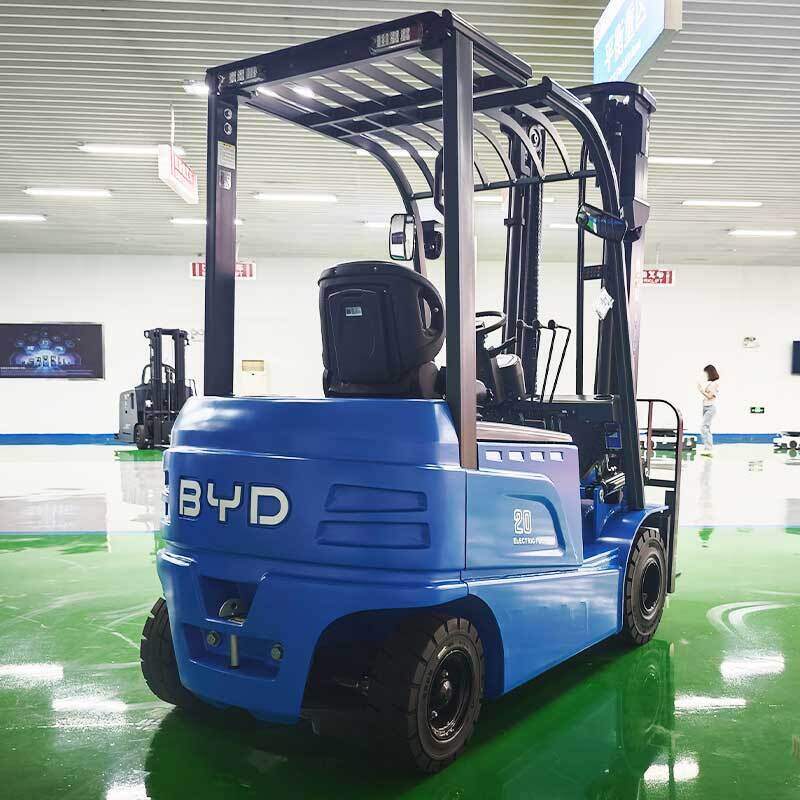
Load-weight estimation is a core practical skill for electric forklift operators, which directly affects on-site operation safety, equipment service life and overall material handling efficiency. Unlike regular safety operation training that focuses on specification compliance, targeted training for this skill needs to combine theoretical cognition and repeated practical drills to avoid judgment deviations that may lead to overload risks.
The first core part of the training focuses on basic theoretical cognition. Trainees will first learn to fully understand the load curve indicator on the electric forklift’s nameplate, clearly master the rule that the maximum allowable load will decrease as the lifting height increases, and distinguish the rated load value under standard working conditions from the actual allowable load value when the center of gravity of the load shifts or the lifting height exceeds the specified threshold. No operator is allowed to take the nominal rated load as the only reference value for all operating scenarios.
The second part is practical skill training. Trainees will be guided to master multiple non-destructive estimation methods step by step, including checking the marked weight information on regular cargo packaging, comparing with the known weight of similar goods of the same volume and material, and carrying out the trial lifting operation of lifting the goods only 3 to 5 centimeters away from the ground to observe the body stability, the running sound of the driving motor and the reading change of the load feedback system. All trainees are required to form the awareness that once they feel uncertain about the estimated weight, they must use the supporting weighing equipment to recheck instead of forcing the lifting operation.
The follow-up regular assessment mechanism is also an important part of the whole training system. The site management team will arrange regular simulation drills, set up multiple groups of unmarked goods with different weights to test the operators’ estimation accuracy, count the error range of each operator, and provide targeted guidance for personnel with large judgment deviations to help them correct their experience reference standards. Mastering accurate load-weight estimation skills can effectively reduce the occurrence of side slip, rollover and equipment overload damage, and create a more stable and efficient working environment for all warehouse handling personnel.


