
 English
 Русский
 Français
 Português
 Español
 لالعربية


In recent years, electric stackers have been widely used in warehousing, port logistics, manufacturing and retail distribution scenarios in Luanda, as local enterprises gradually attach importance to low-carbon operation and long-term use cost control of material handling equipment. Many equipment operation managers often face the confusion of unclear maintenance budget planning, which may lead to two extreme situations: either insufficient maintenance investment leading to frequent unexpected equipment downtime, or redundant budget allocation causing unnecessary capital occupation.
The core composition of the scientific maintenance budget for electric stackers adapted to Luanda's local working conditions can be divided into three main parts. The first part is the conventional regular maintenance cost, which accounts for about 60% of the total annual maintenance budget. This part of the expenditure covers the monthly full equipment inspection, power battery status calibration, hydraulic system tightness check, walking transmission part lubrication, and control circuit safety detection. Considering that Luanda has a high annual average temperature, and some port and coastal operation scenarios are affected by slight salt spray, the regular maintenance frequency can be adjusted appropriately according to the actual operation environment, to avoid premature aging of seals and circuit components.
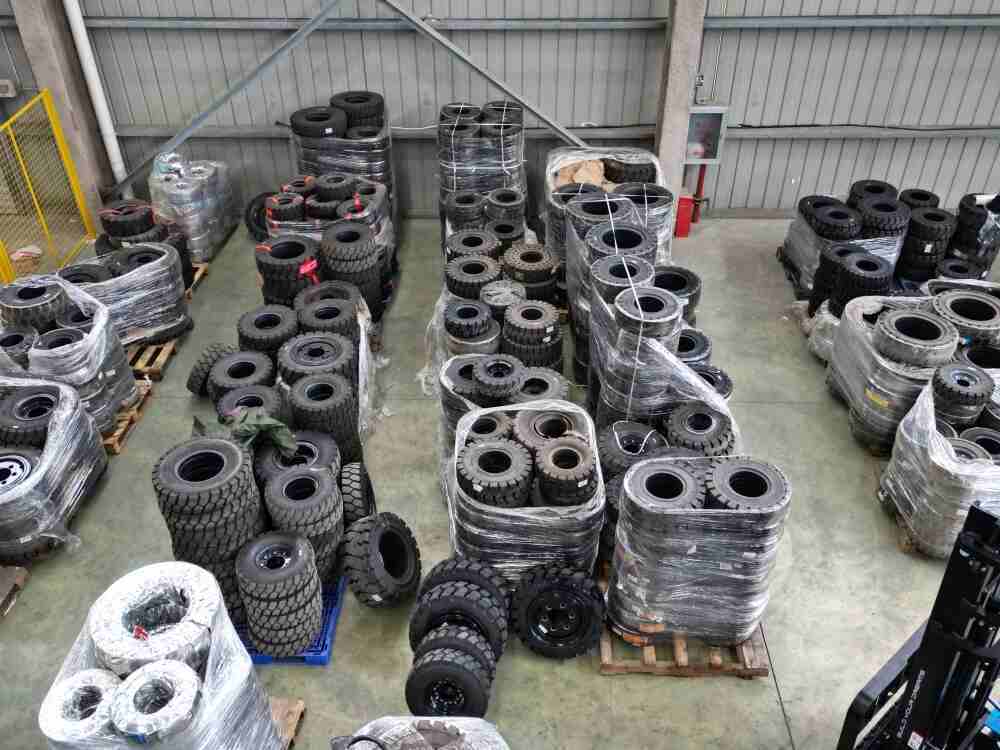
The second part is the reserve fund for wearing parts replacement, which accounts for about 25% of the total annual maintenance budget. The related consumables include non-damaged wearing parts such as contact gaskets, buffer tires, hydraulic oil filter elements and operation handle conductive modules. There is no need to stock up a large number of consumables at one time, and you can arrange the procurement cycle according to the actual loss frequency of the equipment in different working conditions, so as to avoid the waste of funds caused by long-term storage of idle consumables.
The third part is the emergency maintenance reserve, which accounts for about 15% of the total annual maintenance budget. This part of the fund is used to deal with the non-predicted component damage scenarios in daily operation, which can effectively reduce the impact of unexpected failures on the normal operation of the warehouse. Enterprises do not need to reserve excessive emergency funds, which will lead to low capital utilization.
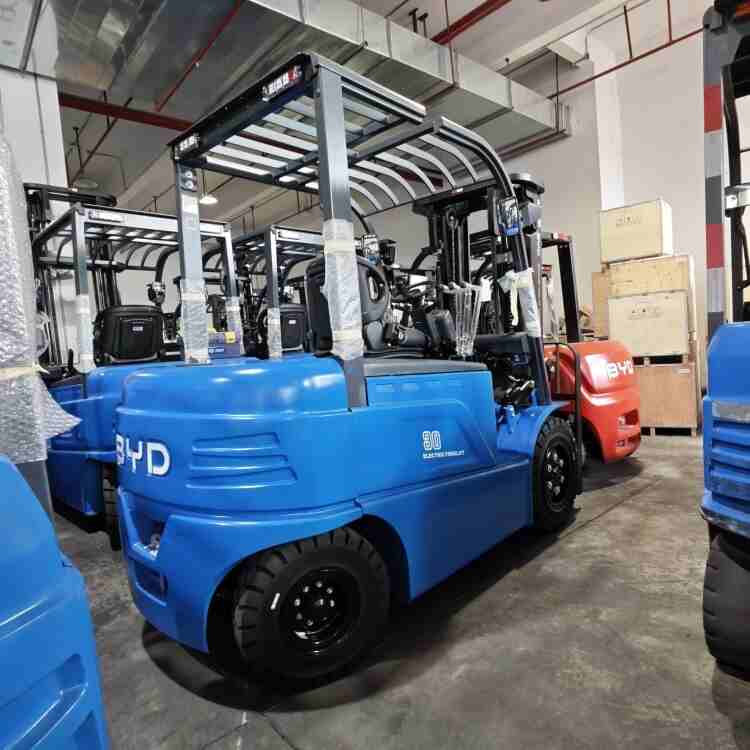
We are Jianxin New Energy, focusing on BYD electric forklifts. We can provide customized maintenance budget calculation schemes for local operating entities in Luanda with different working conditions, help enterprises reasonably control maintenance costs on the premise of ensuring stable equipment operation. If you need to get a detailed local adaptive maintenance budget plan, please send an email to [email protected] for consultation. Reasonable maintenance budget allocation can effectively extend the service life of electric stackers, reduce the overall comprehensive operation cost of enterprises, and create more stable value for daily material handling work.


