
 English
 Русский
 Français
 Português
 Español
 لالعربية

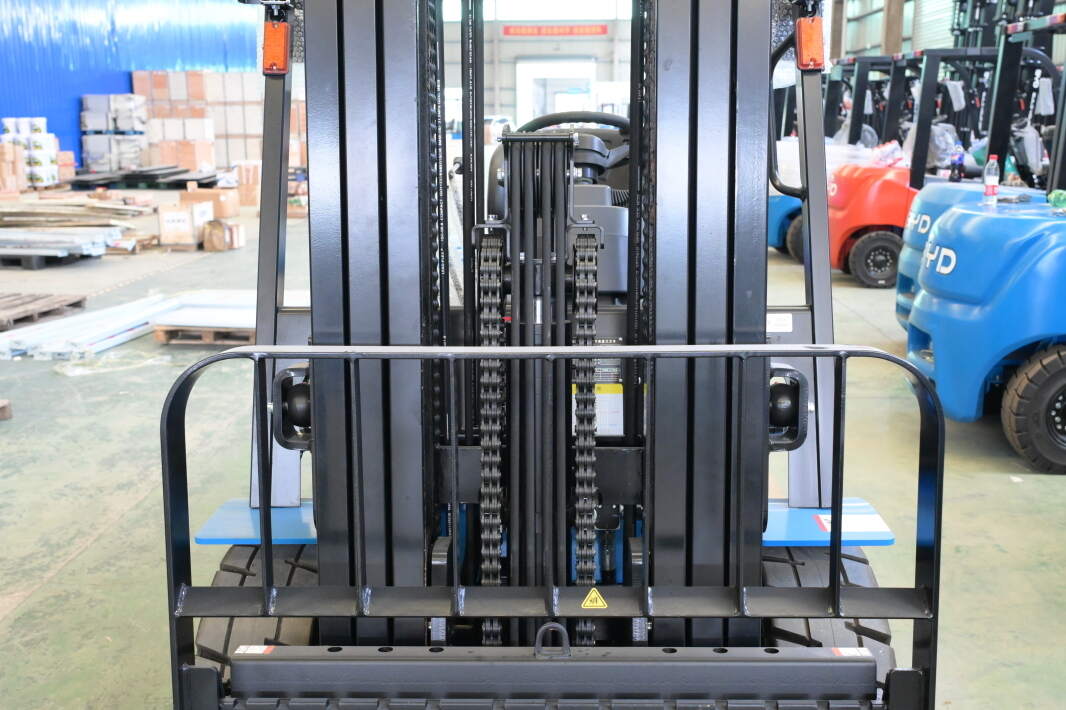
As low-carbon logistics and standardized warehouse management concepts gain wider recognition across the industrial sector, electric forklifts have gradually become the mainstream material handling equipment for most indoor and semi-outdoor operation scenarios. Compared with traditional internal combustion counterparts, these electric powered units produce no exhaust emissions during operation, and generate far lower noise levels that help create a more comfortable working environment for on-site staff.
Core Performance Advantages of Modern Electric Forklifts
Most mainstream electric forklift models on the current market adopt high-efficiency energy storage modules and stable motor transmission systems, which can meet the load handling requirements of most conventional warehousing scenarios. The whole structure features fewer vulnerable moving parts than internal combustion equipment, which reduces the probability of unexpected failures in regular use. Operators can also adjust the operation sensitivity and power output mode according to actual site conditions, to adapt to narrow channel operation, high-lift cargo stacking and other special working scenarios, with good flexibility for diversified operation demands.
Routine Operation Compliance Guidelines
Before starting each shift, operators need to conduct a basic safety check covering the braking system, operating control lever, tire condition and energy storage level, to eliminate hidden risks before formal operation. When the equipment is running, operators need to keep a proper safe distance from surrounding personnel and obstacles, and avoid sharp steering or sudden acceleration when carrying loads at high positions. It is also not recommended to operate the electric forklift on slopes that exceed the rated design gradient, to prevent potential sideslip or tipping risks that may cause unnecessary property loss or personal injury.
Daily Maintenance Best Practices
Regular maintenance work can effectively extend the service life of electric forklifts and reduce long-term operation costs. After each daily use, operators need to wipe the dust and cargo residues on the equipment surface in time, and check the connection status of the energy storage module interface to avoid poor contact caused by dust accumulation. The professional maintenance team can conduct a systematic inspection of the motor, control circuit and transmission structure every 300 to 500 working hours, replace aging lubricating oil and worn parts as needed, to keep the equipment in good working condition for a long time. Proper operation and maintenance management can help enterprises give full play to the performance advantages of electric forklifts, and create stable value for daily material handling work.


