
 English
 Русский
 Français
 Português
 Español
 لالعربية


When selecting power sources for industrial tow tractors that handle frequent material transfer across warehouses, ports and manufacturing facilities, most fleet operators face a common choice between lithium-ion batteries and traditional lead-acid batteries, with cost being the top consideration for decision making.
At the initial investment stage, the unit purchase price of a lithium-ion battery pack is usually higher than a lead-acid battery with equivalent rated capacity. But many operators overlook the hidden supporting costs for lead-acid systems. For multi-shift operation scenarios, lead-acid batteries usually require 1 to 2 extra backup battery packs to maintain continuous operation, plus dedicated charging rooms, watering tools and special ventilation facilities to meet safety operation standards, all these extra costs will push the total upfront investment of lead-acid solutions far beyond the figure shown on the battery unit price tag.
In the daily operation period, the cost gap between the two solutions becomes more obvious. Lead-acid batteries have a limited cycle life of 300 to 500 full charge-discharge cycles, and require regular scheduled maintenance including watering, terminal cleaning, and equalization charge every 1 to 2 weeks. The labor cost for dedicated maintenance personnel usually accounts for 8% to 12% of the annual battery purchase value. Besides, lead-acid batteries take 8 to 10 hours for full charging, and opportunity charging during short breaks will cause irreversible damage to the inner plates, shortening its service life further.
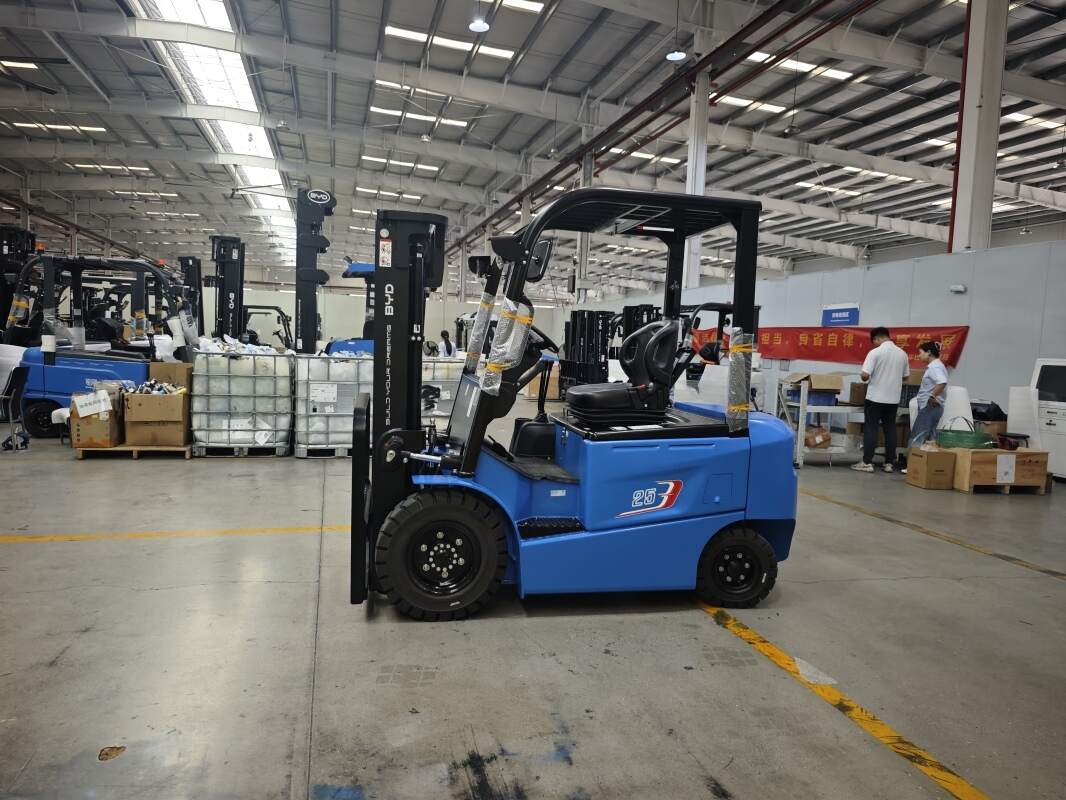
For lithium-ion batteries designed for industrial use, the cycle life can reach 2000 cycles or more under normal operation. No regular watering or dedicated daily maintenance is required, which cuts most labor cost for battery management. It supports fast charging and opportunity charging during short shift breaks, no extra backup batteries are needed for 24-hour continuous operation, no special charging room is required either. Its charging efficiency is around 30% higher than lead-acid batteries, which cuts the total power consumption for the same workload directly. When the batteries reach the end of service life, the residual recycling value of lithium-ion packs is also higher than that of lead-acid products, which further reduces the total cost of ownership.
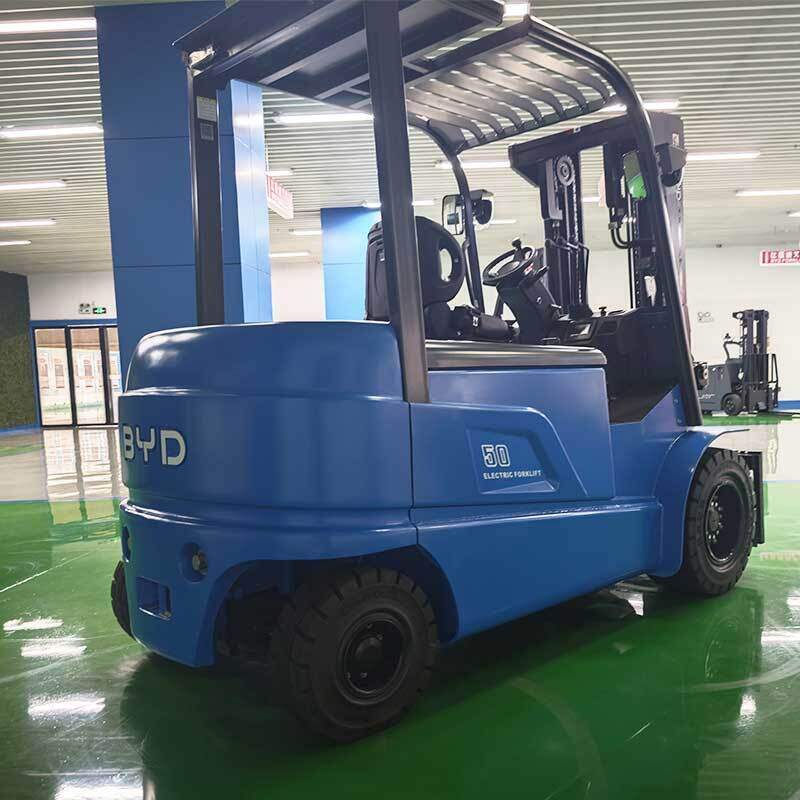
We are Jian Shu New Energy, focusing on BYD electric forklifts. If you need a customized cost calculation based on your actual operation scenarios, you can contact us via [email protected] for more professional suggestions.


