English
 Русский
 Français
 Português
 Español
 لالعربية


For logistics, manufacturing and warehouse operators in Malakal, choosing the right battery type for pallet trucks is a core decision that directly impacts long-term operational expenditure and daily work efficiency. Many operators have been weighing the pros and cons of lithium-ion batteries and traditional lead-acid batteries for their material handling fleets, mostly focusing on upfront purchase cost while ignoring the full lifecycle cost that adds up over years of usage.
Lead-acid battery powered pallet trucks usually come with lower initial purchase expenditure, which attracts many operators who prioritize short-term capital input. However, this seemingly low upfront cost comes with multiple hidden expenses across daily usage. First, lead-acid batteries require dedicated charging rooms, regular water top-ups, equalization charging and other routine maintenance work, which takes up extra labor hours and dedicated space that could have been used for other productive operations. Second, the typical cycle life of a qualified lead-acid battery for pallet trucks ranges from 500 to 1000 charge-discharge cycles, which means operators need to replace the whole battery pack every 2 to 3 years under medium to high usage intensity, bringing unplanned additional expenditure. Third, lead-acid batteries can not support opportunity charging during short work breaks, which reduces the effective working time of each pallet truck, and may lead to extra cost of adding more fleet units to meet peak operation demands.
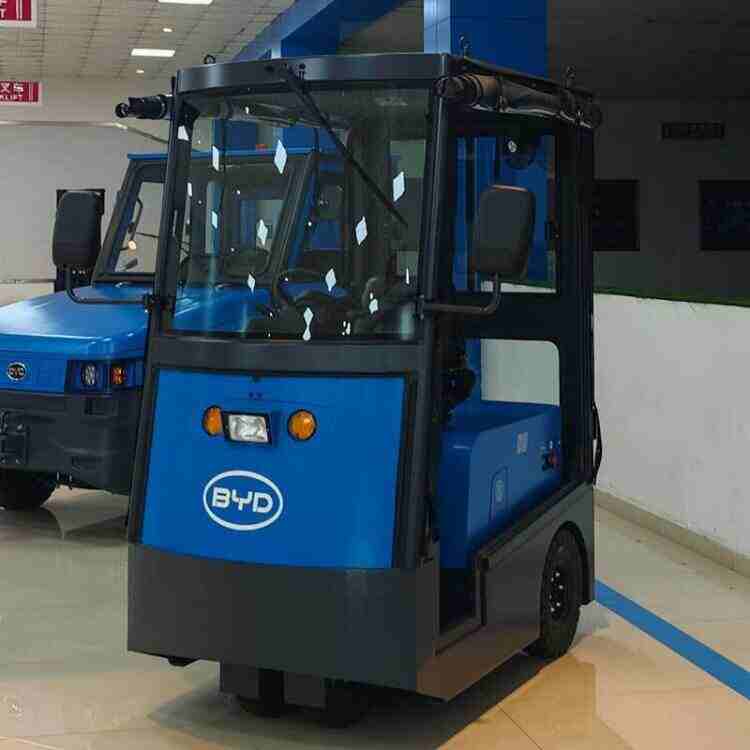
For lithium-ion battery powered pallet trucks, the initial purchase cost is relatively higher than lead-acid counterparts, but the total cost of ownership in the whole lifecycle shows obvious advantages for most operation scenarios in Malakal. The cycle life of standard industrial lithium-ion batteries for pallet trucks can reach 3000 to 5000 charge-discharge cycles, which extends the effective usage period of the battery pack to 8 to 10 years under normal maintenance conditions, cutting down the battery replacement frequency greatly. There is no need for regular water top-ups or special maintenance for lithium-ion battery packs, which saves the labor cost related to battery management, and no dedicated charging room is required as the packs are fully sealed. Besides, lithium-ion batteries support opportunity charging during 10 to 15 minute work breaks, which can extend the continuous working time of each pallet truck significantly, reducing the demand for extra spare fleet units for multi-shift operations. For operators in Malakal who run 2 or 3 shifts per day, the accumulated cost saving can reach a considerable level within 3 to 4 years of usage.
To get a customized cost comparison report that fits your specific operation scale, usage intensity and local operation conditions in Malakal, you can contact us for professional consulting services. We are Jianxin New Energy, dedicated to providing high-quality BYD electric forklift and related material handling solutions, you can reach us via [email protected] for more detailed cost calculation and operation support.