English
 Русский
 Français
 Português
 Español
 لالعربية


As a key industrial and commercial hub in Zambia, Kitwe hosts a large number of warehousing, distribution and retail logistics sites, where order pickers are widely used to complete high-frequency goods sorting tasks. Battery selection for these equipment directly affects the overall operational cost of the site, and many operators are facing the choice between lithium-ion batteries and traditional lead-acid batteries, it is not appropriate to make a decision only by comparing the initial purchase price, and a full lifecycle cost accounting that fits local actual working conditions is needed.
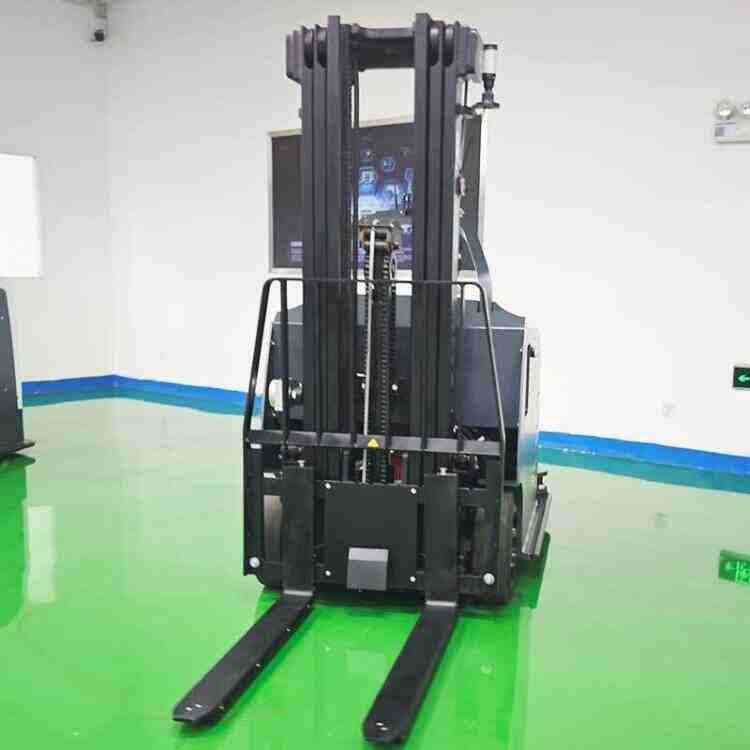
In the initial procurement stage, the upfront cost of lithium-ion batteries with the same effective capacity is higher than that of lead-acid products, which is the main factor that makes many operators tend to choose lead-acid solutions at the first stage. However, combined with the actual operation scenario in Kitwe, most local logistics sites keep their order pickers running for 6 to 8 hours per day, and some peak operation periods even need two-shift working modes. Traditional lead-acid batteries need regular electrolyte supplement in daily use, the full charging process takes 8 to 10 hours, and a separate ventilated charging area with dedicated personnel on duty is also required. If the discharge depth of lead-acid batteries exceeds 60% frequently in operation, the cycle life will attenuate rapidly, and replacement is usually needed after 2 to 3 years of use.
The lithium-ion battery solution does not need daily water supplement maintenance, supports 1 to 2 hours of fast charging, can complete power replenishment during short operation breaks, and there is no need to set up a special charging area with extra management cost. Its cycle life can reach 3 to 4 times that of lead-acid batteries, and no frequent battery replacement is required in the full lifecycle. The local temperature in Kitwe remains at a relatively high level all year round, the self-discharge speed of lead-acid batteries in high temperature environment is nearly twice higher than that of lithium-ion products, and lead-acid batteries are prone to damage caused by power loss after long-term idle storage, which will bring extra unplanned replacement cost. The gas generated during lead-acid battery charging also has potential impact on the internal storage environment of the warehouse, adding extra hidden management cost.
Jian Shu New Energy focuses on BYD electric forklifts, and we can provide customized battery selection schemes for order pickers for operators of different scales according to the local working conditions in Kitwe. We will combine actual daily operation duration, site space conditions and planned operation cycle to calculate the most suitable cost-effective solution for your business. If you have relevant demands, you can send emails to [email protected] for consultation and communication.