English
 Русский
 Français
 Português
 Español
 لالعربية


Against the backdrop of fast growing logistics, warehousing and port operation sectors in Benguela, more local enterprises are switching to electric stackers for low emission and high operation efficiency. For most fleet managers and business owners, the core question comes to the battery option: choosing lithium-ion or lead-acid batteries, and how the full cost picture looks like in real local operation scenarios.
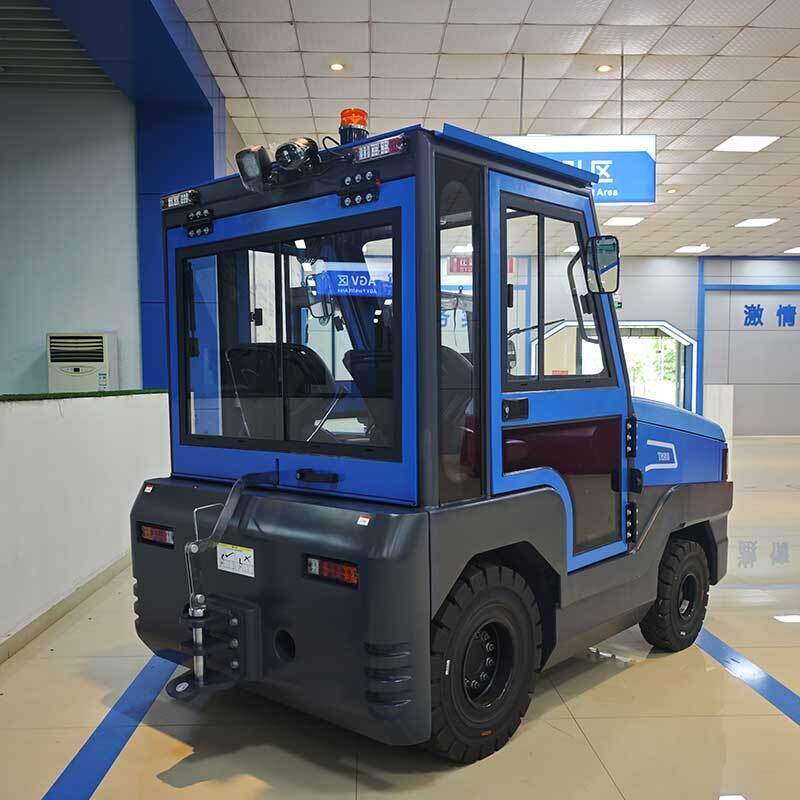
First, we take a look at the upfront procurement cost. Lead-acid battery equipped electric stackers usually carry lower initial purchase price, which fits the short-term budget plan for teams that only arrange less than 4 hours of single shift operation per day. However, this seemingly low upfront cost does not cover all the expenditure that will appear in the following operation period.
Then we move to the daily operation and maintenance cost, which takes the largest share of the full cost for electric stackers during their service life. For lead-acid batteries, operators need to arrange regular distilled water replenishment, regular equalization charging, and set aside special dedicated charging rooms with ventilation and acid-proof protection. The typical 8-10 hours full charging cycle also makes it hard to support multi-shift operation without extra spare batteries. In Benguela’s tropical humid climate, long time idle storage of lead-acid batteries will also lead to high self-discharge risk, and extra maintenance labor cost will be generated to avoid irreversible battery damage. In comparison, lithium-ion batteries do not need regular daily maintenance, support fast top-up charging during work breaks, and have much lower self-discharge rate even in high temperature and humid local environment, which cuts off most of the extra labor and facility investment for users.
When calculating the total cost of ownership across 3 to 5 years of usage, lithium-ion batteries usually deliver 3 to 4 times longer cycle life than standard lead-acid batteries, and there is no need to replace the battery pack within the standard service period of the stacker. For local port, manufacturing and large warehouse clients that run two or three shifts per day, the saved operation downtime and extra labor cost will further optimize the overall expenditure.
We are Jian Shu New Energy, focusing on BYD electric forklifts. We can provide customized cost calculation plans matching your actual operation scenarios in Benguela, please send your specific demand to [email protected] for more details.