
 English
 Русский
 Français
 Português
 Español
 لالعربية

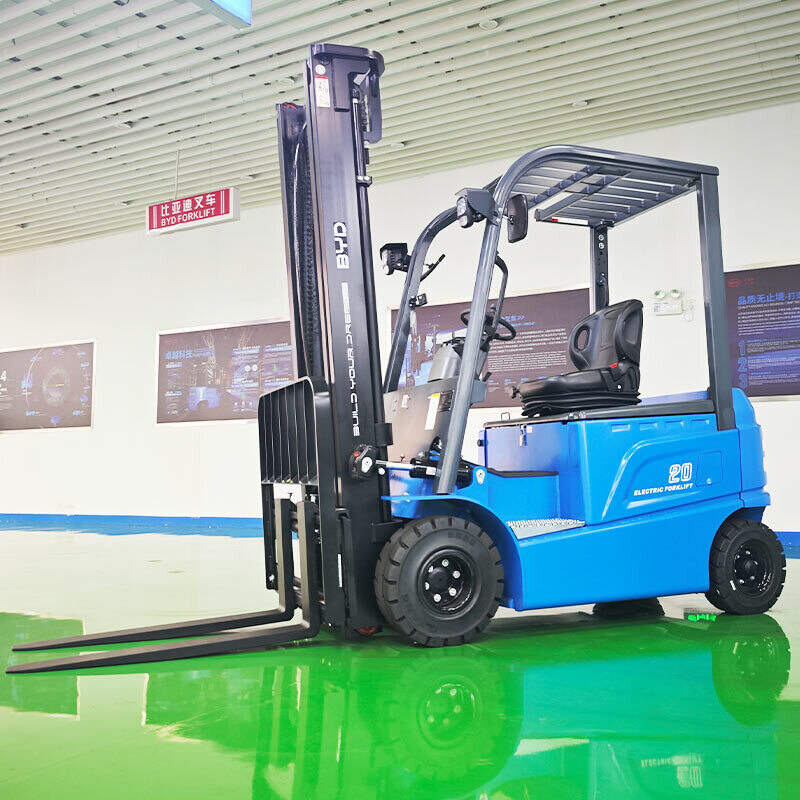
Nowadays, electric forklifts have become one of the most widely used handling equipment in modern industrial and warehousing scenarios, with outstanding performance in energy consumption control and operation comfort compared with traditional internal combustion handling equipment. For frontline operators and logistics managers, mastering systematic professional knowledge of electric forklifts can effectively reduce unnecessary operation risks, prolong the service cycle of equipment, and improve the overall operation efficiency of the whole material handling link.
Basic Operation Specifications for Daily Use
Before each startup, operators need to check the remaining battery level, brake sensitivity, and the smooth state of hydraulic lifting components to confirm no obvious abnormal signs before formal operation. During driving, keep a safe distance with surrounding pedestrians and stacked goods, avoid sudden sharp turns or emergency brakes that may cause goods to fall off. Do not operate the equipment beyond its rated load, and do not turn around or park at will on sloped roads. When the operation task is finished, operators need to pull up the hand brake, lower the forks to the ground, and cut off the main power supply of the equipment. Long time full-load operation under high temperature environment should be avoided as much as possible, to prevent the circuit components from overheating and triggering protection mechanisms.
Core Daily Maintenance Points
In the daily cleaning process, do not use high-pressure water gun to directly wash the motor and battery components, to avoid accidental water ingress causing short circuit of internal circuits. Operators can use dry soft cloth to wipe the dust on the surface of the equipment, regularly check the fastening state of battery connectors, and timely remove the tiny corrosion residues on the surface of contact parts. It is recommended to replace the severely worn tires in time according to the actual service condition, check the tension degree of the lifting chain every week, and add the designated lubricating grease to all movable connecting parts according to the specified cycle. Any unauthorized modification to the original circuit system of the equipment is not suggested, which may break the original protection logic of the circuit.
Efficiency Optimization for Different Application Scenarios
In narrow aisles of three-dimensional warehouses, operators can plan the driving route in advance to reduce unnecessary steering operations, so as to improve the turnover efficiency of handling tasks. For operation in low temperature outdoor environment, preheating the motor and battery system for 3 to 5 minutes before full-load work can help maintain the stability of power output. In scenarios with high-frequency continuous handling requirements, arranging staggered peak charging properly to avoid forced operation under extremely low power state is beneficial to maintain the long-term health of the battery pack. For scenarios with high cleanliness requirements such as food and pharmaceutical storage, the zero tail emission feature of electric forklifts can well match the relevant environmental access standards, to support the smooth progress of daily handling work. Forming long-term standardized use and maintenance habits can help the equipment give better play to its due value, and adapt to more diversified actual demands of industrial logistics scenarios.


