English
 Русский
 Français
 Português
 Español
 لالعربية


In Port Elizabeth, a key regional logistics hub with dense port terminals, cold storage facilities and large distribution centers, the demand for stable, cost-efficient material handling equipment keeps growing, and BYD reach trucks are widely adopted for their flexible operation performance in narrow aisles and high-lifting scenarios. Many local operators often have questions about the cost gap between lithium battery configuration and traditional lead-acid battery configuration of such reach trucks, which deserves objective, practical analysis combined with local actual operation conditions.
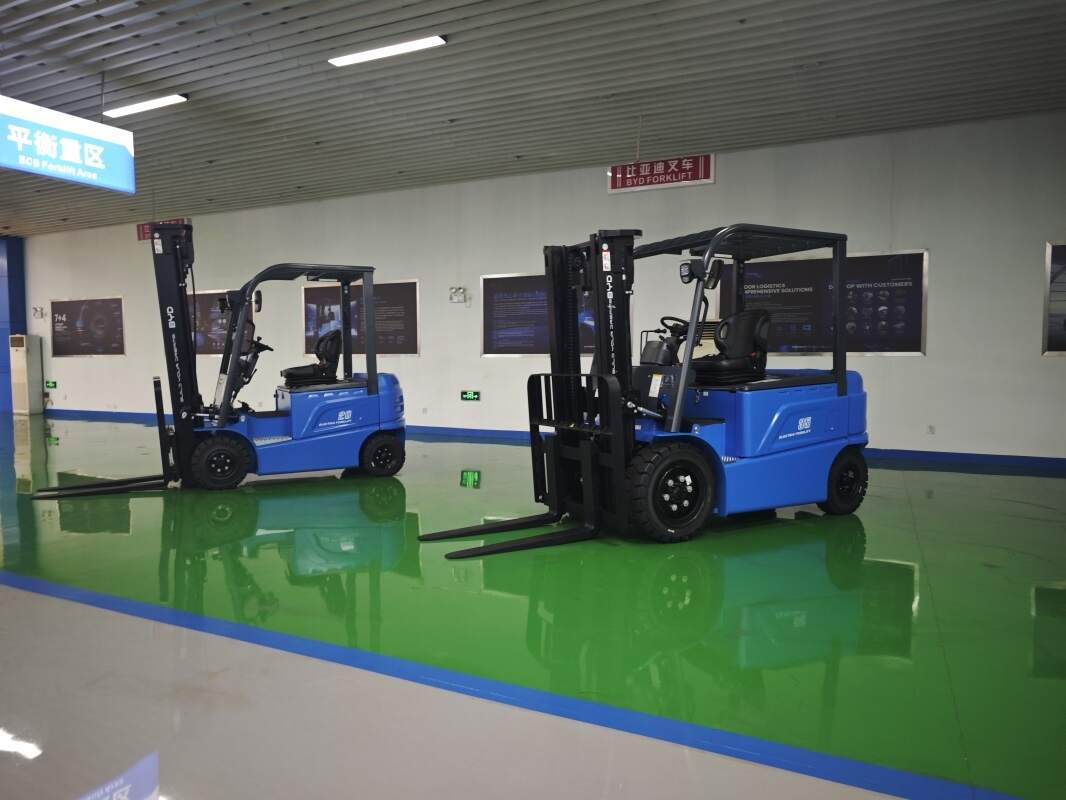
At the initial purchase stage, the lithium battery equipped BYD reach truck has a relatively higher upfront cost compared with the lead-acid version. But operators need to take subsequent daily operation links into full consideration instead of only focusing on the one-off input. For most port operations in Port Elizabeth, the equipment often runs in multi-shift modes. Lead-acid batteries usually need 8 to 10 hours of full charging, plus extra 2 to 3 hours of cooling time after charging, which means operators need to arrange extra spare batteries for multi-shift operation, bringing additional battery purchase cost, storage and maintenance cost. Lithium batteries support fast charging for 1 to 2 hours to reach full capacity, and can be charged flexibly during the operator’s break time, no extra spare battery is needed for normal multi-shift arrangement, which can save extra input effectively.
In terms of daily maintenance cost, lead-acid batteries need regular water replenishment, electrolyte detection, and electrode plate check every certain operation cycle, and improper daily operation may also cause extra damage that needs repair. Lithium battery packs of BYD reach trucks almost do not need complex daily routine maintenance except regular surface cleaning, which cuts a large part of labor and material cost in the whole service cycle. Under normal operation conditions matching local port operation intensity, the lithium battery for BYD reach trucks can support around 8 to 10 years of service life, while the service life of conventional lead-acid batteries under same operation intensity is usually 3 to 5 years, which means operators do not need to arrange multiple battery replacement in the long operation cycle.
For local Port Elizabeth logistics and port operators who plan to purchase or update their material handling equipment, such cost comparison can provide practical reference for long term budget arrangement. We are Jianshu New Energy, focusing on BYD electric forklift related services, if you have further demand for detailed cost consultation and operation scheme matching, please send email to [email protected] for communication.