English
 Русский
 Français
 Português
 Español
 لالعربية


For logistics and warehouse operators, the selection of battery type directly influences the long-term expenditure of electric material handling fleets. As Jianshu New Energy, we focus on BYD electric forklifts, and provide objective and transparent cost reference for all partners who have demand for stable operation of handling equipment.
Many users first notice the initial purchase cost gap between lithium batteries and lead-acid batteries when selecting forklift configurations. The standard lithium battery for BYD lithium forklifts has a relatively higher upfront purchase cost compared with traditional lead-acid battery configurations with the same load capacity, which comes from the mature material system and integrated safety design of lithium battery structure. The initial cost of lead-acid battery schemes seems more competitive at the first glance, but users need to take more hidden expenditure into full account before making final procurement decisions.
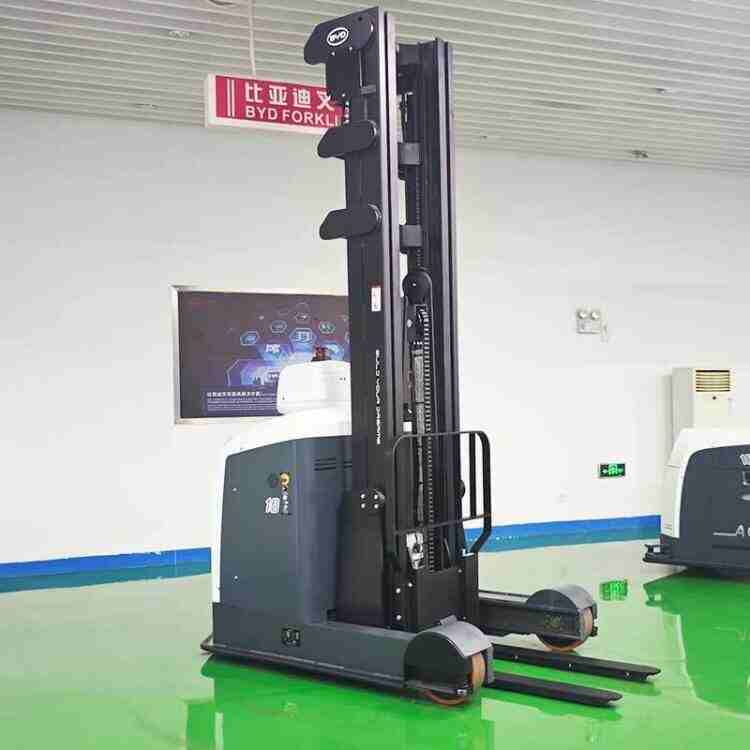
In the daily operation process, the cost difference between the two battery types gradually appears in actual use scenarios. The lithium battery applied on BYD lithium forklifts supports fast partial charging, which can make full use of the idle gap during work shifts to replenish power, no need to prepare additional spare batteries, special battery replacement racks and dedicated independent charging rooms, which can save extra site layout cost. In terms of energy consumption, under the same working load, the lithium battery group has higher energy conversion efficiency, which can reduce the monthly electricity expenditure to a certain extent, compared with lead-acid batteries that have higher self-discharge rate. For enterprises that run multi-shift operation, the time cost saved by no frequent battery replacement is also considerable, which can effectively improve the continuity of material handling work.
For maintenance expenditure, lead-acid batteries need regular distilled water replenishment, electrode plate checking and other routine maintenance work during daily use, which requires dedicated personnel to invest corresponding working hours, and also may face earlier battery replacement due to improper maintenance cases. The lithium battery equipped on BYD lithium forklifts basically does not need daily special maintenance except for regular appearance inspection, which can reduce the labor cost related to battery maintenance in the whole operation cycle.
When calculating the total cost over the full service life, the total expenditure of lithium battery configuration shows balanced performance, which can adapt to different operation scenarios including ordinary warehouse, cold storage and port logistics. If you want to get more customized cost calculation scheme for your specific operation scenarios, you can contact us via [email protected] for further consultation.