
 English
 Русский
 Français
 Português
 Español
 لالعربية

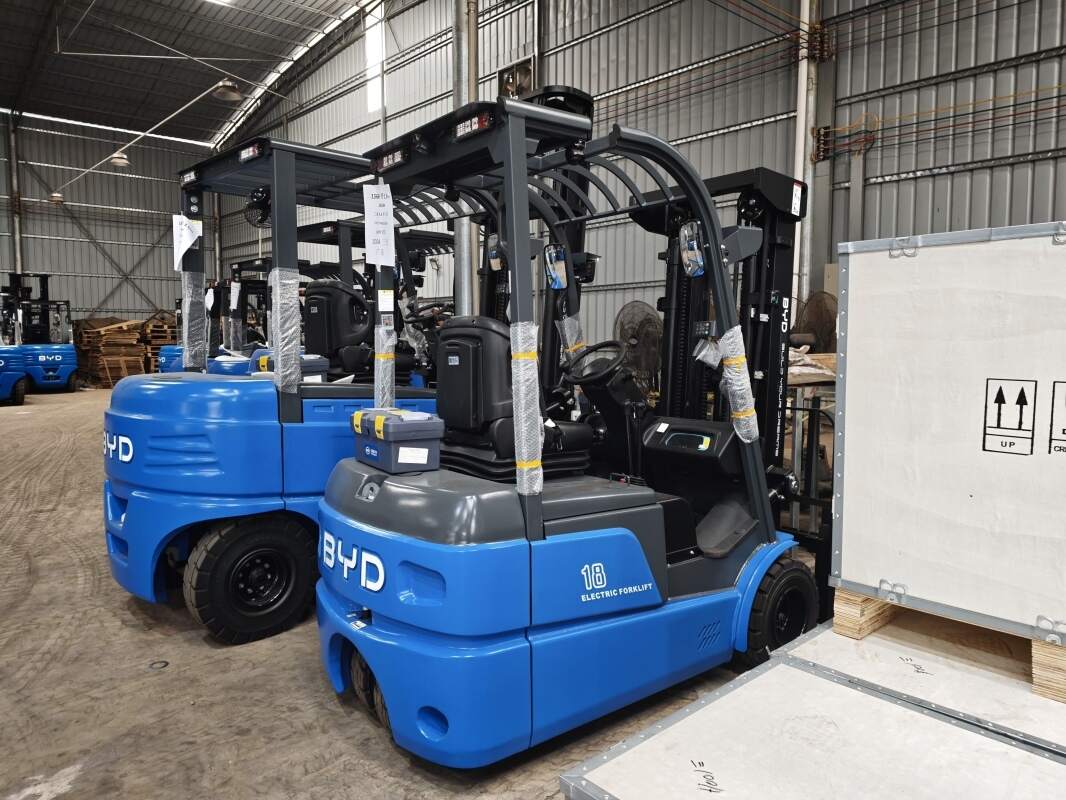
The rapid popularization of electric forklifts in warehouse logistics, manufacturing workshop handling and other scenarios has raised higher requirements for refined operational safety management. For a long time, safety accidents related to improper load handling have accounted for a considerable proportion of all electric forklift operation risks, including overloading, unbalanced center of cargo gravity, and lateral shift of goods during driving. Traditional load-sensing solutions can only realize basic over-limit weight alarm through single-point pressure sensing at the root of the fork, which has obvious limitations in coping with complex and changeable actual operation scenarios.
The latest generation of load-sensing technology innovations makes up for the shortcomings of traditional solutions through optimized sensing architecture. Different from the single-point detection mode in the past, the new technical scheme adopts distributed multi-node sensing layout, which arranges lightweight sensing units not only at the fork contact part, but also at the inner side of the mast and the chassis bearing structure. This design can collect multi-dimensional data including total load weight, real-time center of gravity position and stress distribution of key components at the same time, which can identify hidden risks such as partial load and unbalanced stacking that cannot be detected by traditional technology, even if the total load does not exceed the rated value.
Another core innovation lies in the deep linkage between the load-sensing system and the vehicle’s whole control modules. The system no longer only sends out a single alarm signal when abnormal load conditions are detected, but can dynamically adjust the vehicle’s operating parameters in real time according to the collected load data. For example, when the system detects that the load reaches more than 90% of the rated value, it will automatically limit the maximum driving speed and the maximum lifting speed of the mast, and start the tilt protection reminder function when the forklift turns, to avoid safety hazards caused by excessive operation actions of operators.
The innovation of local edge computing response further improves the response efficiency of the system. The load data collected by all sensing units can be analyzed and processed locally at the millisecond level, without relying on remote cloud computing transmission, which can issue sound and light safety warnings at the first time when the cargo suddenly shifts and the center of gravity changes abnormally, and assist the operator to make evasive adjustments within a safe response window. The system can also automatically record all load-related operation data, which is convenient for enterprise safety management personnel to carry out regular operation compliance review and hidden danger investigation.
These new load-sensing technologies are compatible with most of the electric forklift products currently on the market, and will not bring excessive additional operation and maintenance costs in the process of popularization. The application of these innovations can effectively reduce the occurrence rate of load-related safety accidents, and help all kinds of material handling scenarios to build a more stable and reliable safety operation system.


