
 English
 Русский
 Français
 Português
 Español
 لالعربية

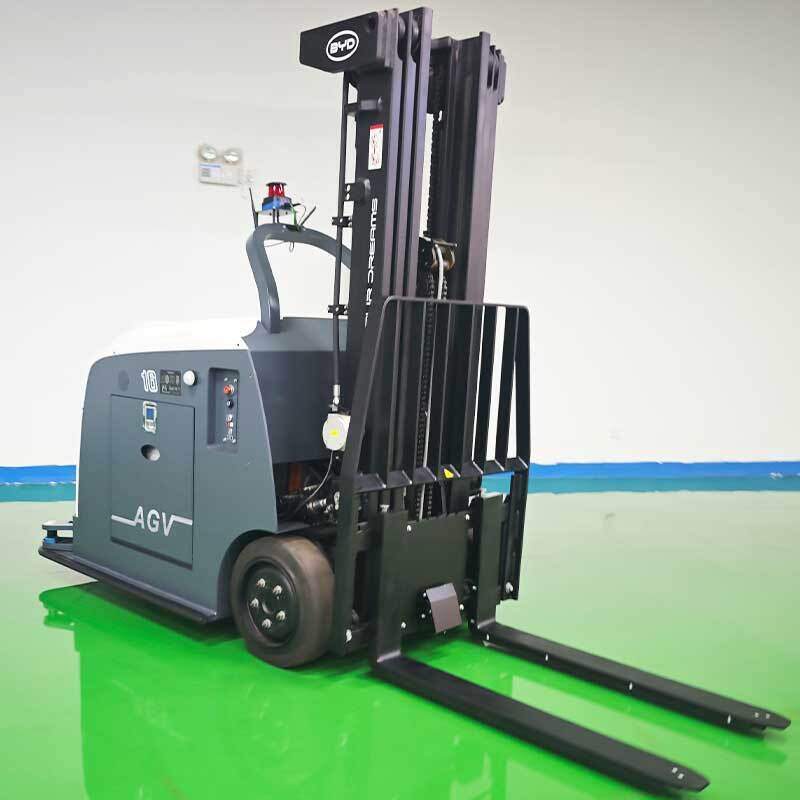
As electric material handling equipment occupies a growing share in modern logistics and warehouse scenarios, systematic mastery of related knowledge helps working staff give full play to the equipment’s inherent advantages while avoiding unnecessary operation risks.
Core Operating Logic of Electric Forklifts
Different from internal combustion powered counterparts, standard electric forklifts are driven by rechargeable battery packs, with power transmitted to walking components and hydraulic lifting systems through dedicated motor control modules. This structural design brings lower operating noise and zero on-site exhaust emission, which is more suitable for closed indoor working environments that have strict requirements for air quality. The output power adjustment of electric motors is smoother, which can avoid sudden stalling or jitter during goods lifting and moving processes to a certain extent, reducing the probability of goods dropping and damage.
Standard Daily Operation Specifications
Before each shift of operation, operators need to complete necessary pre-inspection work, including checking the remaining battery capacity, flexibility of the brake system, surface condition of the cargo forks and the tightness of connecting parts. During the operation process, staff should keep the goods 10 to 15 centimeters above the ground when driving, slow down in narrow aisles and turnings, and avoid sudden acceleration or emergency braking as much as possible. It is not recommended to operate the equipment beyond the rated load range for a long time, which will cause extra loss to the motor and hydraulic system, and bring hidden dangers to operation safety.
Practical Routine Maintenance Tips
Daily maintenance work can effectively extend the overall service life of electric forklifts and reduce unexpected failure rates. Operators should regularly clean the dust and sundries on the surface of the battery pack and electrode joints, avoid using wet rags to wipe the internal electrical components directly. It is necessary to arrange regular inspection for the sealing performance of the hydraulic system, replenish the professional hydraulic oil according to the specified cycle, and add lubricating grease to the movable connection parts of the gantry regularly. For the battery pack, users should avoid frequent full discharge, and arrange appropriate supplementary charging according to the actual usage scenarios.
Efficiency Optimization in Typical Application Scenarios
For different working scenarios, reasonable adjustment of usage modes can further improve the working efficiency of electric forklifts. For cold storage scenarios that operate in low temperature environment for a long time, users can arrange pre heating treatment for the battery pack before operation to reduce the impact of low temperature on battery performance. For high turnover e-commerce sorting warehouses, enterprises can set up reasonable battery swapping or charging nodes in the working area, to cut down the non working waiting time of equipment.


