
 English
 Русский
 Français
 Português
 Español
 لالعربية

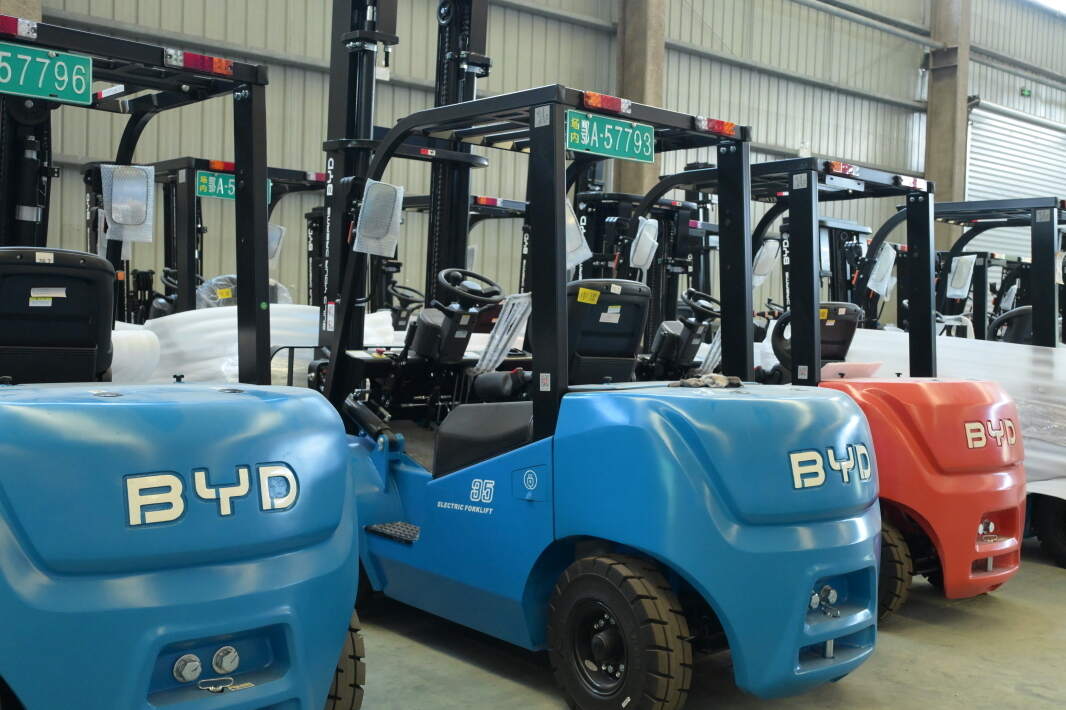
As the global warehousing and logistics industry continues to move towards low-carbon and high-efficiency development, electric forklifts have become one of the most common material handling equipment in various industrial scenarios, covering raw material transfer, finished product outgoing, and cargo stacking links. Mastering professional use and maintenance knowledge can help operators give full play to the inherent performance of the equipment, reduce unnecessary component wear, and extend the overall service life of the product.
Core Advantages of Modern Electric Forklifts
Different from traditional internal combustion powered handling equipment, electric forklifts use electric energy as the power source, which produces no exhaust emissions during the whole operation process, and the overall noise level is significantly lower. The power output of the equipment is smoother when carrying heavy loads, and the operation sensitivity of the control system is more friendly to new operators. Most conventional models adopt compact body structure design, which can adapt to narrow channel operation spaces that many large fuel equipment cannot enter.
Standardized Daily Operation Specifications
Before the start of each working shift, operators need to check the remaining power of the equipment, the response sensitivity of the braking system, and the wear degree of the load-bearing fork teeth, and do not start formal operation if abnormal conditions are found. During the operation process, the total weight of the loaded goods should be controlled within the rated load range of the equipment, avoid sudden steering or sudden braking actions when carrying heavy objects, and keep the goods stable on the pallet to prevent accidental falling. When the equipment is running, the surrounding personnel in the operation area should be observed at all times, and the prompt horn should be sounded in advance when passing through intersections or vision blind areas to avoid potential safety risks.
Routine Maintenance and Care Guidelines
After the daily operation is completed, the equipment should be parked in the specified designated area, the main power switch should be turned off in time, and the charging operation should be carried out in strict accordance with the standard process to avoid overcharging or long-term power loss of the power battery. Regularly clean the dust and sundries accumulated in the moving hinge part of the gantry, and add a small amount of professional lubricating oil according to the actual use frequency to keep the lifting operation smooth. The wear degree of the tire surface should be checked regularly, and the sundries embedded in the tire groove should be removed in time to avoid slipping during high-intensity operation.
Reasonable Scenario Matching Suggestions
For users who need to carry out high-frequency handling operations in closed warehouses for a long time, electric forklifts can bring more comfortable operation experience and lower comprehensive use cost. For outdoor operation scenarios with uneven roads, it is necessary to select models with matching chassis height and power parameters according to the actual road conditions to ensure the stability of operation. Users can adjust the relevant supporting configuration of the equipment according to their own common load weight and operation channel width, so as to obtain better actual use effect.


