
 English
 Русский
 Français
 Português
 Español
 لالعربية

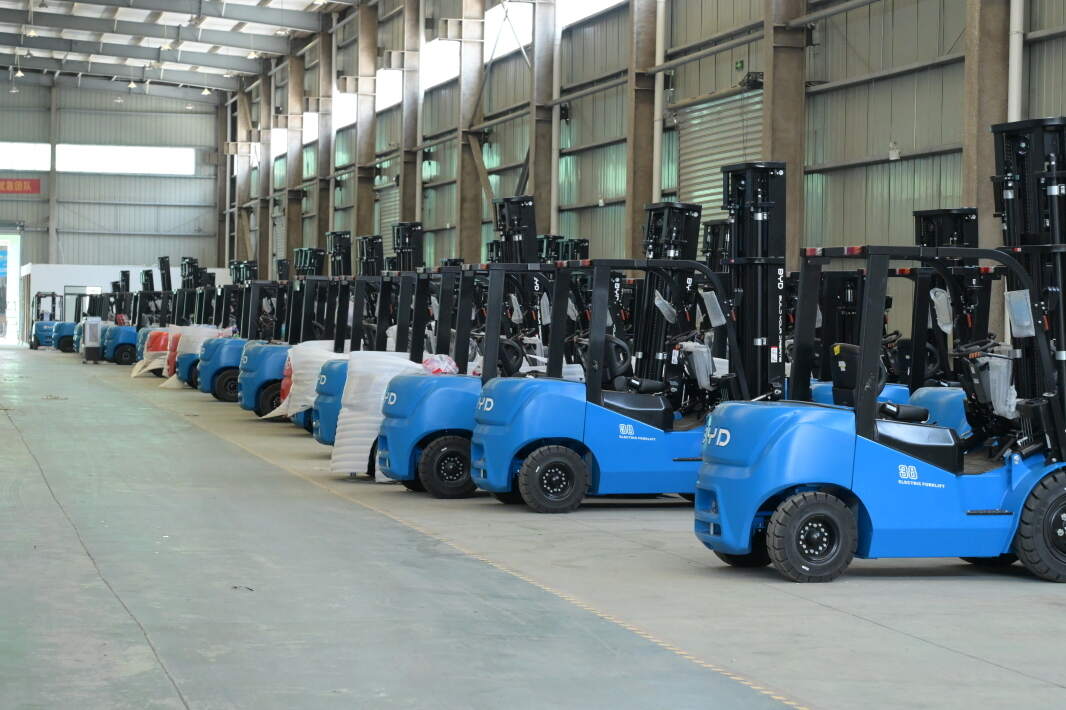
As low-carbon logistics concepts continue to spread across the industrial material handling sector, electric forklifts have become one of the most widely applied core equipment in indoor warehousing scenarios in recent years. Mastering systematic professional knowledge of electric forklifts helps relevant practitioners make full use of equipment value and reduce hidden operation risks.
Core Performance Advantages of Electric Forklifts
Different from fuel-powered industrial handling equipment, modern electric forklifts produce no exhaust emission during operation, and keep relatively low noise output when driving and lifting goods. Such features make them highly compatible with enclosed indoor working environments, especially spaces that have strict requirements on air quality and working noise. The power output system of electric forklifts delivers smoother torque adjustment, which can avoid sudden movement of goods on the pallet during the process of starting or lifting, and reduce the probability of goods toppling and damaging to a large extent.
Standard Daily Operation Specifications
Before each shift, operators need to complete a full pre-use inspection, including checking remaining battery level, brake response sensitivity, steering flexibility, and wear condition of forks and load wheels. Operators should not carry loads beyond the rated load mark of the equipment, and keep driving speed at a safe low level in narrow warehouse aisles, slow down in advance when approaching corners, and avoid sudden steering or emergency braking on sloped surfaces. It is not allowed to carry extra personnel on the equipment body beyond the designated operation seat, to prevent accidental fall injuries.
Routine Maintenance Practices
Daily proper maintenance can effectively extend the service cycle of electric forklifts. Operators need to regularly wipe the dust and stains on the battery connection ports, avoid accumulated water touching the internal circuit components, and follow the official guidance to complete standardized charge and discharge cycles. Do not keep the equipment in a state of fully depleted battery for a long time, check the sealing performance of the hydraulic oil circuit on a regular basis, and fix loose connecting components in time. When the equipment is not in use, park it in a dry and ventilated area, and pull up the hand brake completely.
Scenario Adaptation Optimization Suggestions
For scenarios that require long hours of high-frequency continuous operation, enterprises can arrange spare battery configurations to reduce the waiting time for charging. In low temperature working environments, relevant personnel need to take proper thermal insulation measures for the battery pack to avoid excessive drop of discharge efficiency. For warehousing spaces with limited aisle width, operators can select corresponding models with appropriate body size to match the existing operation layout.


