English
 Русский
 Français
 Português
 Español
 لالعربية


In recent years, frequent swings in retail diesel prices across Nairobi have delivered an obvious impact on the daily operating expenditure of local material handling sectors, covering independent warehouses, port logistics yards, manufacturing workshops and cargo distribution hubs.
For a long period before, most local enterprise operators built their four-wheel forklift budget models with a stable assumed diesel price range, which helped them get relatively predictable payback periods for their material handling equipment investment. But the latest two years of diesel price movement, with monthly fluctuation amplitude hitting more than 20% in many periods, completely breaks that original stable calculation logic.
Take a commonly used four-wheel diesel forklift that runs 8 hours per working day as an example. Its monthly fuel cost now is 35% to 40% higher than the average level three years ago, not to mention the extra cost brought by frequent price adjustments that makes monthly expenditure budget hard to control. Apart from fuel fees, operators also need to cover extra expenses including regular engine oil replacement, filter renewal, emission inspection and engine maintenance that come along with diesel powered equipment. All these items add up to a much higher total cost of ownership than the original pre-set budget.
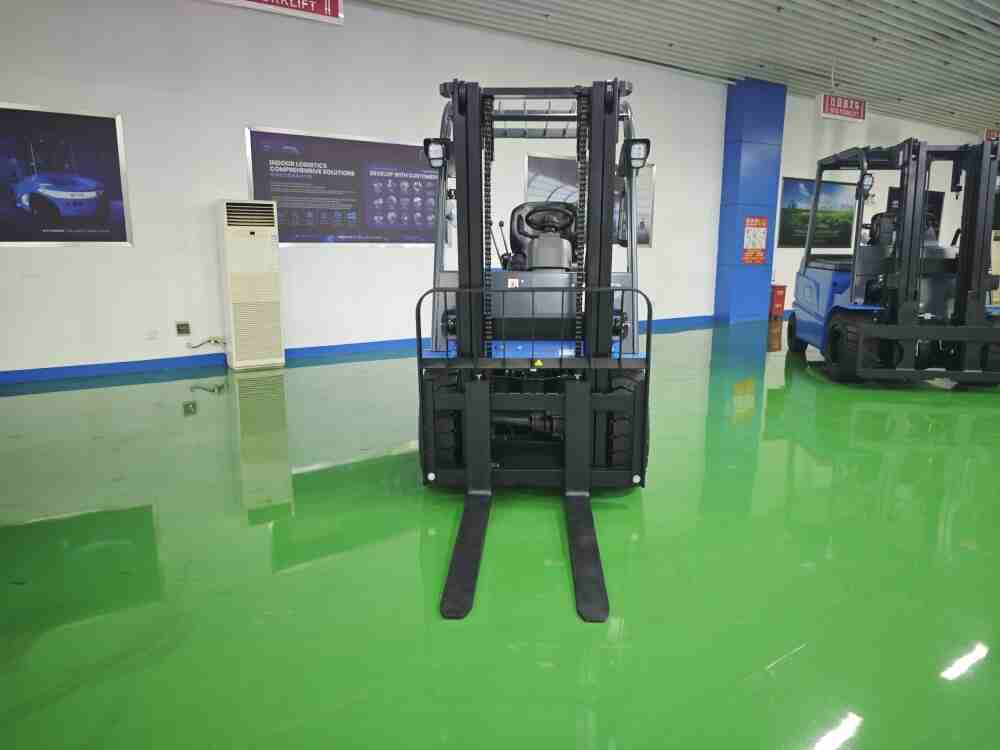
Against this background, more local operators start to recalculate their forklift operation maths with electric four-wheel forklift as an alternative option. The industrial electricity price in Nairobi maintains a fluctuation range lower than 7% for consecutive years, which brings far higher predictability for annual equipment operation budget. Electric forklifts also eliminate the need for regular engine part replacement and complex emission related maintenance work, which further cuts down unnecessary variable expenditure.
As a professional new energy equipment service provider, Jianshu New Energy focuses on BYD electric forklift solutions, and we provide customized full lifecycle cost calculation services for Nairobi local material handling clients to help them avoid the operation risks brought by diesel price swings. For more detailed consulting information, you can contact us via [email protected].
For local industry practitioners, adjusting the original forklift cost accounting framework to take energy price volatility into full consideration, and selecting more stable low-carbon material handling equipment, can bring more steady long term operation benefits in the continuously changing market environment.