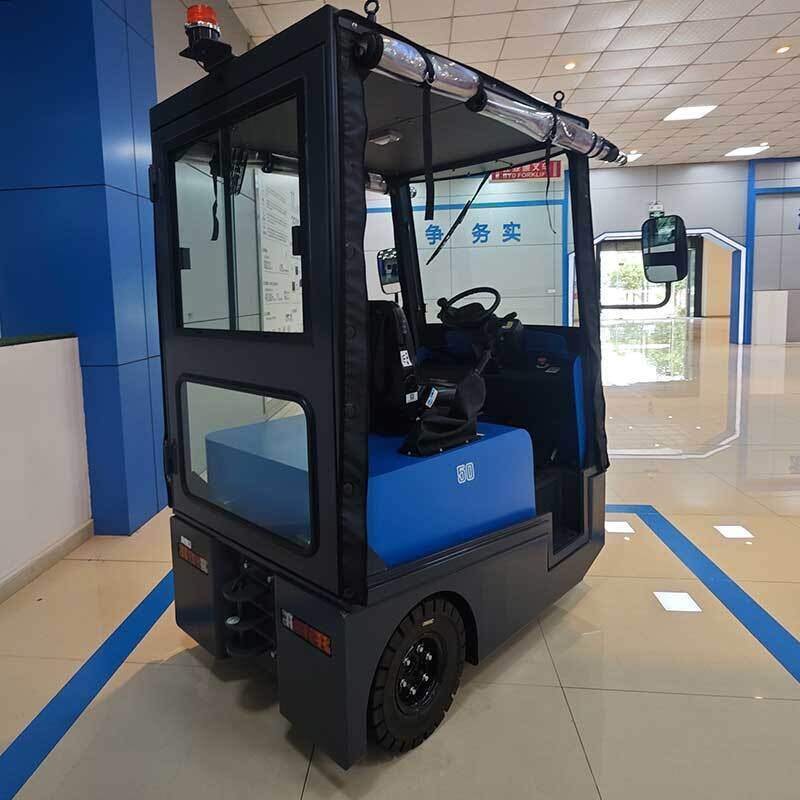
In recent years, with the rapid development of logistics, port transportation and warehousing sectors in Dakar, more and more local enterprises choose electric stackers as core material handling equipment to reduce carbon emission and improve operation efficiency. However, most purchasers only focus on the upfront purchase price at the selection stage, and ignore multiple hidden costs throughout the full operation cycle, which often leads to unexpected overspending in the subsequent 3 to 5 years of use.
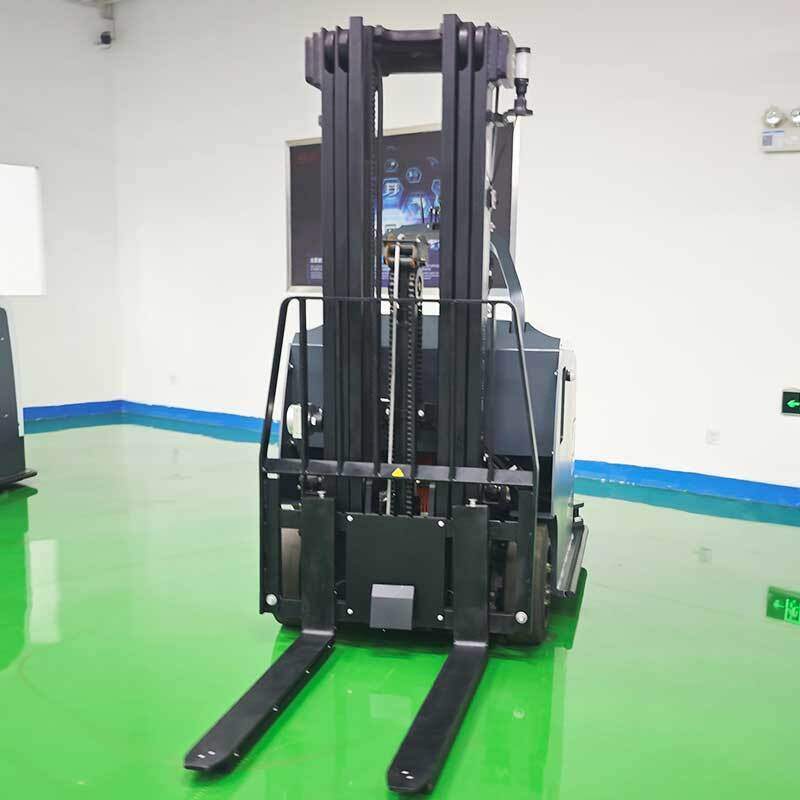
The first easily overlooked hidden cost comes from supporting charging infrastructure transformation. Most old warehouses and freight stations in the suburban area of Dakar were not designed to reserve high-power distribution capacity for industrial equipment in the early construction stage. To meet the stable charging demand of electric stackers, users need to arrange additional circuit upgrading, install waterproof and dustproof special charging piles that adapt to local climatic conditions, and even purchase mobile standby power supply devices for remote operation scenarios, the total cost of which may account for 8% to 12% of the original equipment purchase budget.
The second hidden cost is the extra maintenance and consumable replacement expenditure that matches the local special climate. Dakar has a typical tropical savanna climate, with long-term high temperature, high humidity and high salt spray corrosion near the port area. If the electric stacker is not configured with targeted protection design, the wear rate of solid tires, the aging speed of motor heat dissipation components and the frequency of circuit dust removal maintenance will be 2 to 3 times higher than that in temperate regions. Without a clear maintenance budget in advance, users are very likely to face unplanned high costs of parts replacement.
The third hidden cost comes from the indirect loss caused by accelerated battery performance attenuation. In the environment where the maximum temperature often exceeds 35 degrees Celsius all year round, if the power battery lacks regular professional detection and maintenance, the attenuation speed of the available capacity will be significantly accelerated, which will directly lead to the shrinkage of single-shift endurance, reduce the operation efficiency per unit time, and virtually increase the average handling cost of each ton of goods.
To avoid these unnecessary hidden expenditures, local enterprises are suggested to carry out a full-cycle cost survey before purchasing electric stackers, and choose formal suppliers with complete local after-sales support system. As a professional new energy material handling solution provider, Jianxin New Energy focuses on BYD electric forklift products, and provides free customized full operation cycle cost assessment services for local enterprise users. For more detailed consultation, please send email to [email protected].