
 English
 Русский
 Français
 Português
 Español
 لالعربية


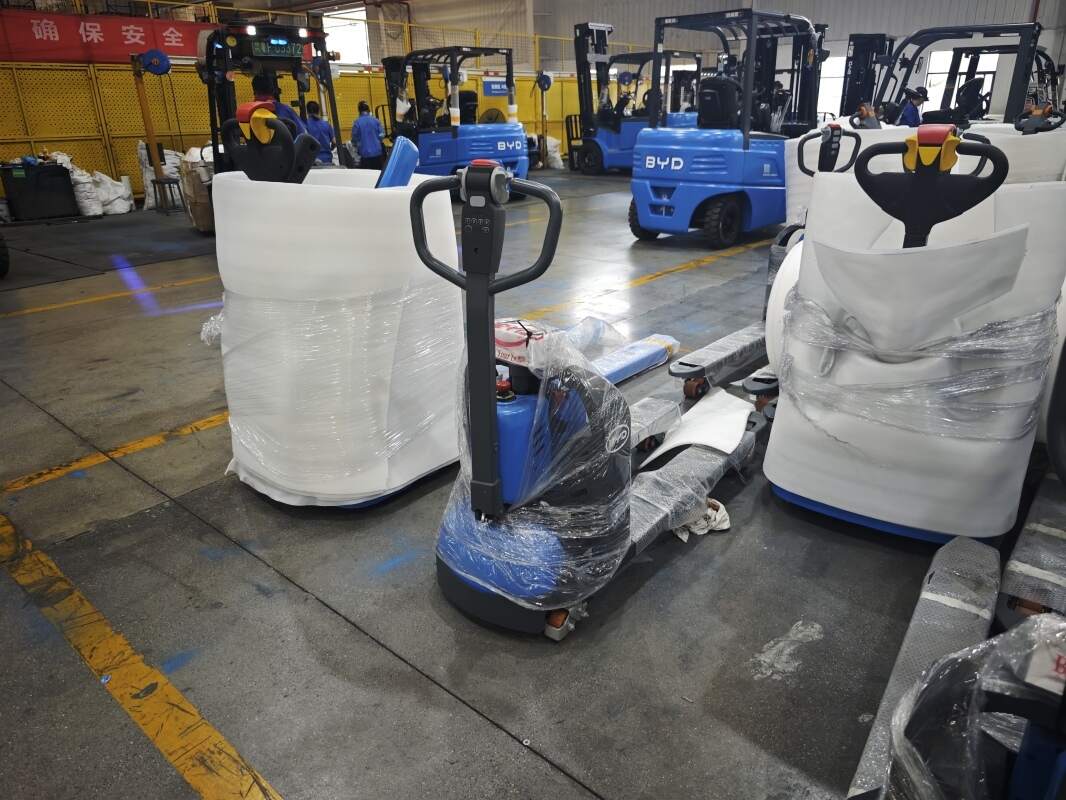
Against the backdrop of accelerating low-carbon transformation in the industrial logistics sector, electric forklifts have gradually become one of the most widely used handling equipment in closed operation scenarios such as warehouses, distribution centers and manufacturing workshops. Different from traditional internal combustion handling equipment, electric forklifts rely on electric energy as the core power source, and their operation effects are closely related to the standardization of daily use and the appropriateness of maintenance work.
Core Performance Advantages of Electric Forklifts in Scenario Application
In conventional material handling scenarios, electric forklifts produce no exhaust emissions during the whole operation process, which can meet the environmental protection requirements of closed indoor workplaces that have strict standards for air quality. The noise generated during the operation of the power system is also significantly lower than that of internal combustion equipment, which can reduce the interference to surrounding staff and help maintain a relatively quiet working environment in the working area. The power output adjustment of electric forklifts is more sensitive, and operators can complete the movement, stacking and handling of goods more smoothly under the condition of skilled operation, which reduces the risk of collision and damage to goods to a certain extent.
Standardized Operation Specifications for Daily Use
Before each official operation, operators need to complete the necessary pre-operation inspection work, including checking the remaining power of the power system, the flexibility of the lifting and steering components, and the normal performance of the safety warning devices. During the operation process, operators need to follow the corresponding operation guidelines, avoid overloading the equipment beyond the rated load range, and adjust the driving speed according to the actual site conditions, so as to avoid safety risks caused by too fast speed in crowded working areas. After the daily operation is completed, the equipment should be parked in the designated special parking area, the power supply should be cut off in time, and the goods on the fork should be unloaded and lowered to a safe height.
Routine Maintenance Tips to Optimize Use Effect
Regular daily maintenance work can effectively extend the service life of electric forklifts and reduce the probability of unexpected failures in the operation process. The outer surface of the power system should be cleaned regularly to avoid the accumulation of dust and debris affecting the heat dissipation effect, and the connection status of the circuit components should be checked periodically to ensure that there is no loose connection or corrosion. The lubrication of movable components such as wheels, lifting chains and bearings should also be checked regularly, and appropriate amount of professional lubricating oil should be added according to the actual wear condition, so as to reduce the friction loss between parts. For warehouse and logistics practitioners, mastering the correct use and maintenance skills of electric forklifts can give full play to the use value of the equipment, and create more stable benefits for daily material handling work.


