
 English
 Русский
 Français
 Português
 Español
 لالعربية


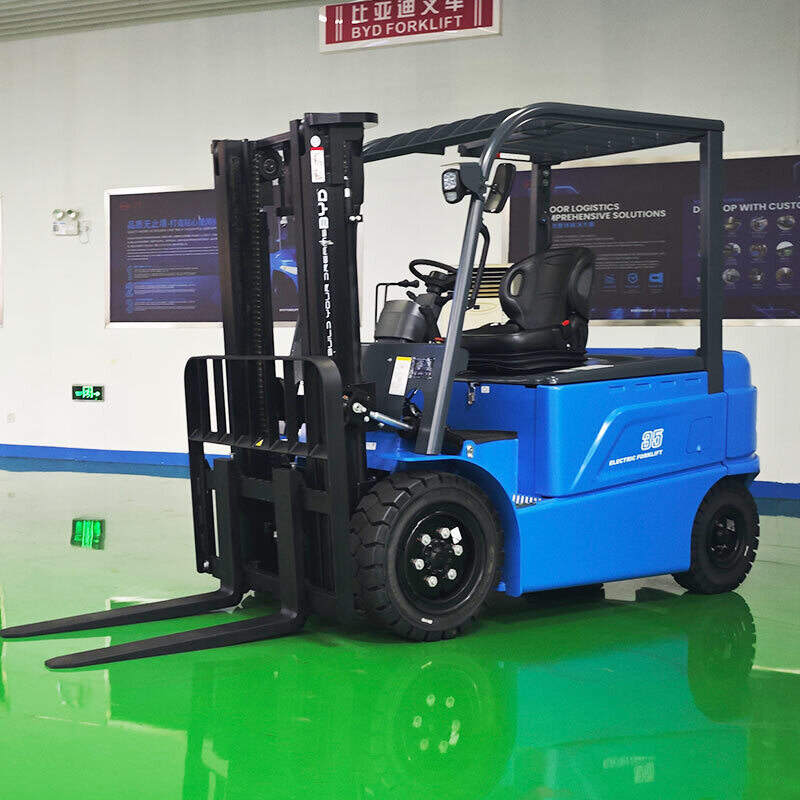
With the rising demand for low-carbon operation and cost control in modern logistics and manufacturing sectors, electric forklifts have become one of the most widely used material handling equipment in most warehouse and factory scenarios. Mastering scientific operation and maintenance rules can effectively reduce unexpected downtime, bring stable performance output, and help teams complete daily cargo handling, stacking and moving tasks smoothly.
Core Pre-operation Inspection Protocols
Before starting any formal operation, operators need to complete a series of quick checks to eliminate potential hidden risks in advance. It is necessary to confirm the remaining power level of the power unit, check whether the connecting terminals are in good contact without obvious oxidation or looseness, observe the tire tread condition for abnormal wear or embedded hard foreign matters, test the sensitivity of the braking system and steering mechanism, and check the hydraulic lifting system for oil leakage traces. Skipping these inspection steps may lead to sudden equipment failure in the middle of high-intensity operation, disrupt the pre-arranged work schedule, and even cause unnecessary safety risks to surrounding personnel and goods.
Standardized Operation Norms for Daily Scenarios
In the actual operation process, operators need to strictly follow the load limit requirements of the equipment, do not carry overweight goods that exceed the rated load for a long time. When driving in the warehouse area, keep a safe distance with surrounding staff, shelves and other facilities, slow down in advance when turning or passing through narrow aisles. Do not allow any personnel to stand or walk under the lifted forks during the stacking process. Avoid frequent sharp acceleration and emergency braking during long-distance driving, which can reduce unnecessary power consumption and get longer continuous battery life. For different operating scenarios, operators can adjust the corresponding running mode to adapt to the site conditions, to avoid unnecessary scratch and collision of the equipment body.
Routine Maintenance Points to Extend Service Life
After the daily operation is completed, operators should park the equipment in the designated charging and storage area, lower the forks to a position close to the ground, pull the handbrake tightly and turn off the main power supply. It is recommended to clean the dust and sundries on the surface of the power unit and electrode terminals regularly to avoid poor contact caused by accumulated dirt. Replace the hydraulic oil and related wearing parts according to the cycle specified in the equipment manual, check the wear degree of the brake pads regularly, and do not wait until the parts completely lose their function to replace them. Adhering to these small daily maintenance measures can effectively control the long-term operation and maintenance cost of the equipment, and keep the equipment in good working condition for a longer period.


