
 English
 Русский
 Français
 Português
 Español
 لالعربية

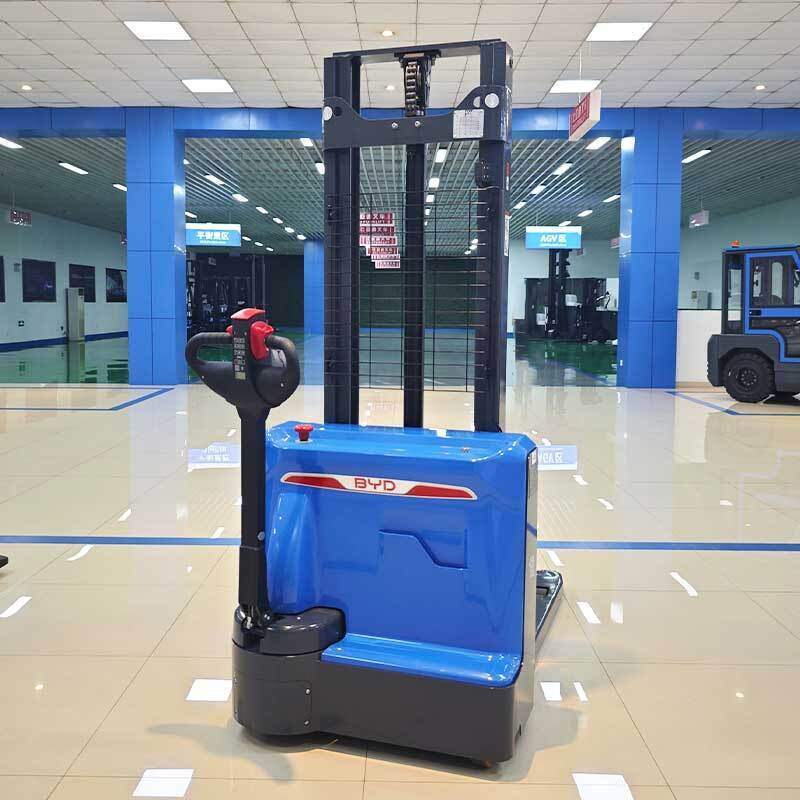
As one of the most widely used material handling equipment in modern logistics scenarios, electric forklifts have gained growing popularity across multiple warehouse operation scenarios in recent years. Mastering systematic knowledge related to its performance, operation and maintenance can help enterprises give full play to the equipment’s value and create safer working conditions for frontline staff.
Core Functional Advantages of Electric Forklifts
Compared with traditional internal combustion counterparts, electric forklifts produce no tail gas emission during operation, which makes them more suitable for closed indoor spaces such as commodity warehouses, cold chain storage and fresh product distribution centers. The overall noise level during operation is also much lower, which helps reduce the noise interference to on-site staff and avoid disturbing the storage environment of special sensitive goods. The mechanical vibration generated in working status is relatively gentle, which can lower the risk of accidental damage to fragile transported goods to a certain extent.
Standardized Daily Operation Specifications
Before each formal shift, operators need to complete basic pre-check work, including testing the flexibility of the braking system, confirming the remaining power level, checking whether the fork structure has obvious deformation and verifying the normal operation of the lighting and warning prompts. During the operation process, staff should avoid overloading beyond the rated load range, and do not drive the forklift for a long distance when the goods are lifted to a high position. When passing through narrow aisles or turning corners, operators need to slow down in advance, pay close attention to the movement track of surrounding pedestrians and stacked goods, and strictly follow the operation regulations to avoid unsafe behaviors such as carrying other people on the vehicle.
Scientific Routine Maintenance Strategies
For daily battery management, it is recommended to avoid frequent over-charging or over-discharging, and keep the battery at a reasonable power level even if the equipment is left unused for a long time. Operators can regularly clean the dust and sundries accumulated on the motor and heat dissipation components, so as to maintain stable heat dissipation performance of the equipment. Every 3 months or corresponding scheduled cycle, relevant personnel can check the sealing status of the hydraulic oil circuit, confirm the wear degree of the solid tires, and replace the severely worn parts in time to avoid unnecessary rise of operation energy consumption. Reasonable matching of the model parameters according to the actual operation scenario can further optimize the use effect, such as selecting the corresponding body size for narrow aisle high rack areas, and adding proper temperature control measures for the equipment used in low temperature cold storage scenarios.


