
 English
 Русский
 Français
 Português
 Español
 لالعربية


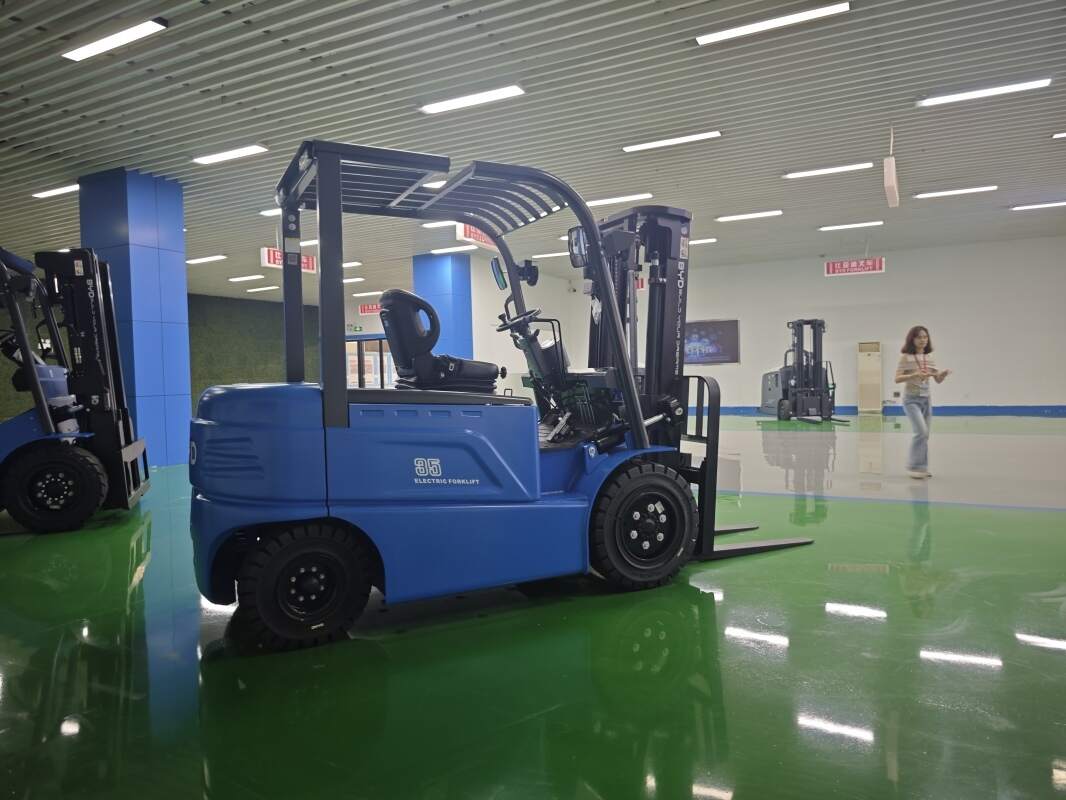
Against the continuous development of modern warehouse logistics systems, electric forklifts have become one of the most widely applied material handling equipment in indoor operation scenarios in recent years, with growing recognition from operation teams across different industry sectors. Rational application and proper maintenance of such equipment can bring multiple tangible benefits for daily operation management.
Core Performance Characteristics of Electric Forklifts
Different from fuel-powered operation units, electric forklifts rely on stored electrical energy to provide power output, which produces no local exhaust emission during the whole working process. This feature makes the equipment fully suitable for closed indoor warehouses, cold storage and other scenarios that have strict requirements on air quality. The overall noise level during operation is relatively low, which can reduce long-term noise interference to on-site staff, and create a more comfortable working environment for the whole operation area. The average daily energy consumption cost of electric forklifts is maintained at a relatively stable low level, which helps control the overall operation expenditure of the logistics team.
Standard Operation Specifications for Daily Use
Before starting each shift, operation personnel need to complete a full range of pre-use inspection work, including checking the remaining battery power, the flexibility of the braking system, the lifting status of the fork mechanism and the normal operation of the lighting and warning devices. During the moving process, operators need to keep a proper safe distance from surrounding personnel, shelves and other facilities, adjust the driving speed according to the width of the operation channel and the on-site personnel flow. It is not recommended to carry out high-speed steering operation, and the goods on the fork should be kept at a proper low height as far as possible to avoid blocking the front sight of the operator.
Routine Maintenance Guidelines for Long-term Stable Operation
Regular daily maintenance work can effectively extend the service cycle of electric forklifts and reduce unexpected equipment failure rate. Operation management teams can arrange special personnel to check the battery status periodically, avoid overcharge and over discharge behavior that may damage the battery performance, keep the surface of the equipment clean, and clear the debris accumulated in the moving parts in time. For equipment that will be idle for a long time, it is recommended to store it in a dry and ventilated area, and complete regular supplementary charging according to the specified operation requirements. Proper operation and maintenance arrangements can help teams give full play to the performance advantages of electric forklifts and realize smoother daily material handling processes.


