
 English
 Русский
 Français
 Português
 Español
 لالعربية


As the core logistics and port hub of Burundi, Bujumbura has seen growing demand for stable, cost-effective material handling solutions across local storage, freight transportation and small manufacturing sectors in recent years. More and more operation teams have shifted their attention to lithium electric forklifts, and the hourly energy cost has become the core indicator that most operators care about when calculating long-term operation expenditure.
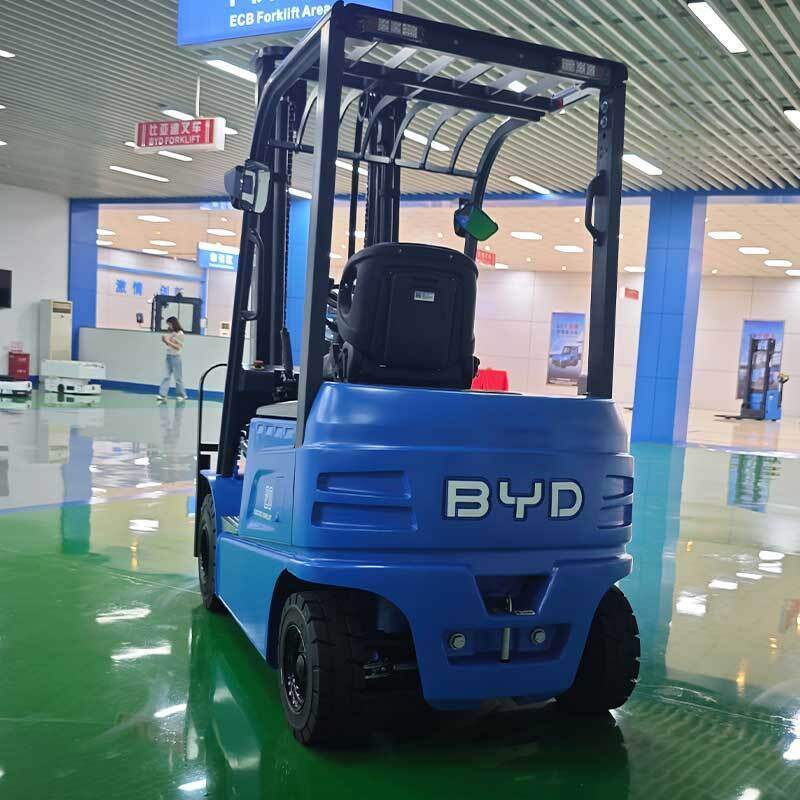
Unlike internal combustion forklifts whose hourly fuel cost fluctuates sharply with local oil supply and market price changes, lithium electric forklifts have relatively stable energy consumption performance under standard working conditions. Combined with the local industrial power pricing rules in Bujumbura, operators can calculate the accurate hourly energy cost according to their actual working scenarios. For regular 2 to 3 ton load lithium forklifts under common 60% to 70% load rate, the hourly energy cost is far lower than that of internal combustion forklifts with the same load capacity. By arranging charging activities during off-peak electricity price periods, operators can further reduce the hourly energy expenditure without affecting normal operation schedules.
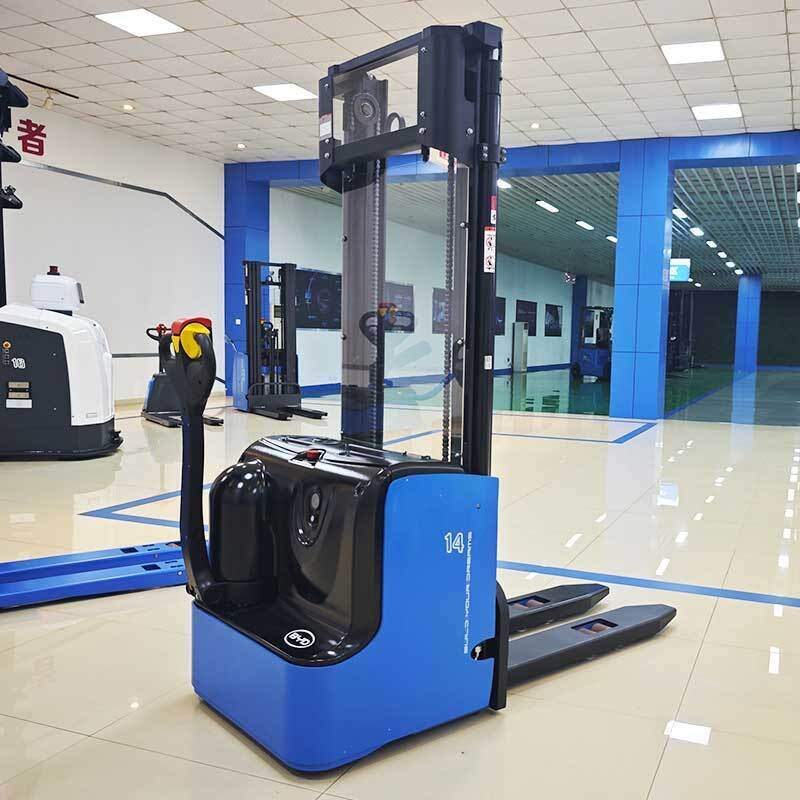
Reasonable daily maintenance also helps stabilize the energy consumption performance of lithium forklifts. Formulating scientific charging and discharging habits for the power battery, and carrying out regular routine inspection of the power system, can effectively avoid abnormal energy consumption caused by improper operation, and keep the hourly energy cost at a stable and reasonable level in the whole service cycle of the equipment.
We are Jianshu New Energy, focusing on BYD electric forklifts. We provide targeted energy cost assessment and optimization consulting services for local enterprises in Bujumbura, combining local power supply conditions, actual operation scenarios and equipment parameters, to help customers sort out the energy expenditure structure of material handling links, avoid unnecessary waste, and achieve steady operation cost reduction. If you have relevant demand for scenario-based energy cost evaluation, please send an email to [email protected] for more detailed support.


