
 English
 Русский
 Français
 Português
 Español
 لالعربية


In recent years, with the steady development of Sudan's port logistics, agricultural processing and manufacturing warehousing sectors, four-wheel forklifts have become one of the most widely used material handling equipment in local operation sites. Many operation entities only calculate the direct purchase and daily energy consumption cost of forklifts, while ignoring the high hidden loss brought by unplanned downtime, which often becomes the key factor restricting the improvement of operation benefit.
For local operation scenarios in Sudan, the downtime cost of four-wheel forklifts consists of multiple parts. Except for the direct maintenance labor cost and parts replacement cost, the more considerable loss comes from the operation stagnation caused by downtime. For port freight yards, unexpected forklift shutdown will extend the cargo handling cycle, leading to extra demurrage charges of parked cargo ships and delay penalty for downstream distribution orders. For agricultural product processing sites in harvest season, long-time handling stagnation may lead to quality deterioration of perishable agricultural goods, bringing extra economic loss. Besides, the labor cost of arranged loading and unloading personnel waiting for equipment repair, and the idle loss of matched supporting transport vehicles are also non-negligible components of downtime cost. Restricted by the scattered regional supply of industrial supplies in some areas of Sudan, the waiting period for spare parts delivery may be far longer than that in many concentrated industrial areas, which further amplifies the comprehensive loss caused by unplanned downtime.
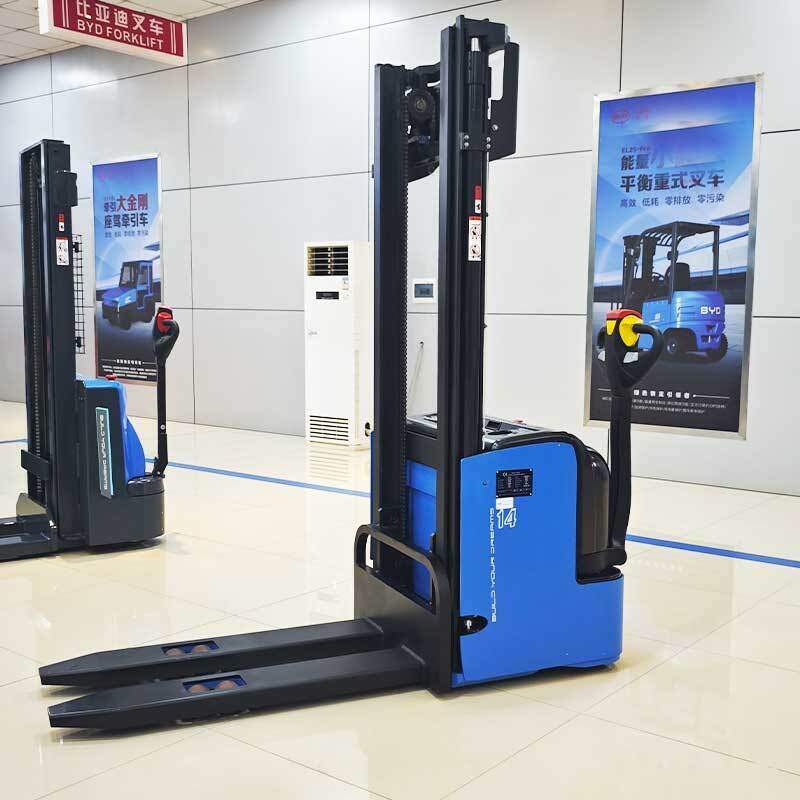
Scientific spare parts planning is the core measure to effectively control downtime cost for four-wheel forklift operation. The first step is to complete classified parts reserve according to local operation conditions. Targeting the high temperature and multi-dust environment in most areas of Sudan, operation entities can mark the easily worn components that are sensitive to dust and high temperature as regular reserve parts, and keep appropriate stock according to the number of operating forklifts, which can avoid long waiting time caused by temporary emergency parts ordering. The second step is to establish a parts demand prediction mechanism matching daily preventive maintenance. The maintenance personnel can record the wear degree of key components in each routine inspection, make reasonable parts replenishment plan in advance according to the estimated remaining service life of components, so as to balance the capital occupation of parts inventory and the risk of shutdown caused by missing parts.
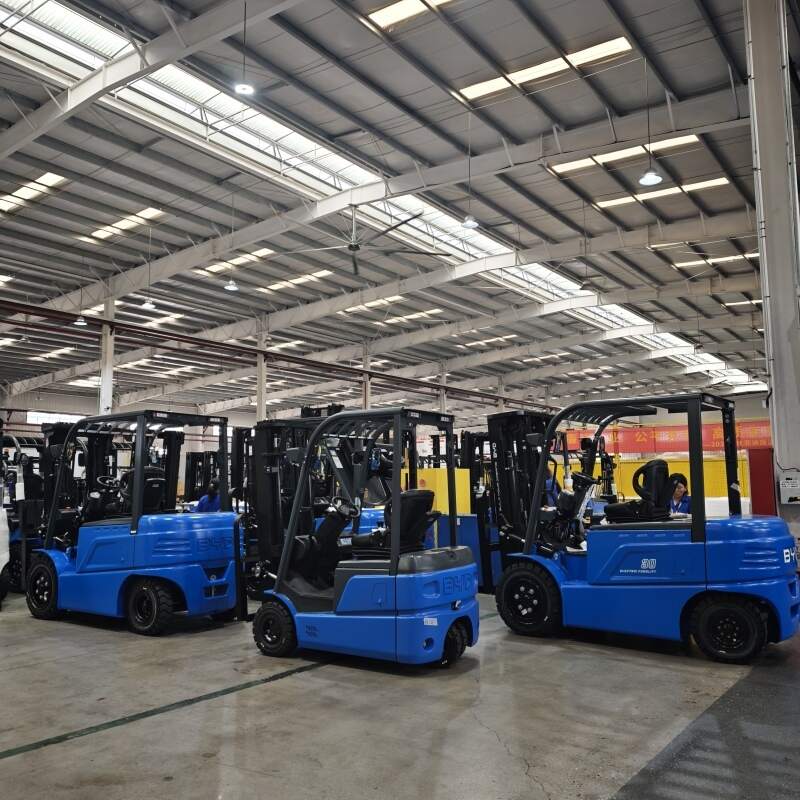
Jianshu New Energy, focusing on BYD electric forklifts, has accumulated rich practical experience in serving local operating entities in Sudan. We can provide targeted spare parts planning consulting schemes tailored to different operation scales and scenario characteristics, to help local clients reasonably reduce unnecessary downtime loss. For further professional inquiry, you can send emails to [email protected] for targeted guidance.


