English
 Русский
 Français
 Português
 Español
 لالعربية


Food and beverage production and storage facilities have strict requirements on hygiene standard, operation efficiency and safety control, and the counterbalance forklift that undertakes most of the material handling tasks is a core element that should be fully considered in the early stage of facility planning. Arranging all functional partitions and supporting configurations around the actual operation demand of counterbalance forklift can effectively avoid later operation conflicts, reduce redundant operation links, and help the whole facility to meet the regulatory requirements of food production industry.
The first step of planning is to reserve a reasonable channel width matching the operation parameters of the counterbalance forklift. Unlike ordinary manual handling tools, the counterbalance forklift has its specific minimum turning radius, so the main transport channels between different functional areas need to reserve enough space to ensure the vehicle can pass smoothly without scratching surrounding equipment or stacked goods. The ground of the whole channel area should be paved with food-grade anti-corrosion and anti-slip coating, which can not only adapt to the long-term driving demand of the forklift, but also facilitate daily cleaning and disinfection, effectively avoiding dust or sundry pollution to food raw materials and finished products.
The second part of planning is to arrange the sequence of different functional areas according to the conventional operation route of the counterbalance forklift. The unloading area for raw materials, temporary storage area for semi-finished products, production workshop entrance, finished product high-position storage area and delivery loading area can be arranged along the main operation path of the forklift, which can reduce unnecessary turning and back-and-forth driving, cut down the material handling cycle, and also avoid the cross contact between different links that may cause hygiene risks. Special docking points can be set at the intersection of forklift operation and production area, with food-grade sealing protection devices to isolate the operation space of different links.
The last part of planning is to reserve a special rest and cleaning area for the counterbalance forklift at the edge of the facility. Food and beverage industry requires regular cleaning and disinfection of all operation equipment that contacts the production area, so the independent parking space with cleaning water supply and disinfection tool storage space can facilitate the daily maintenance of the forklift, without occupying the core operation space in the central area of the facility.
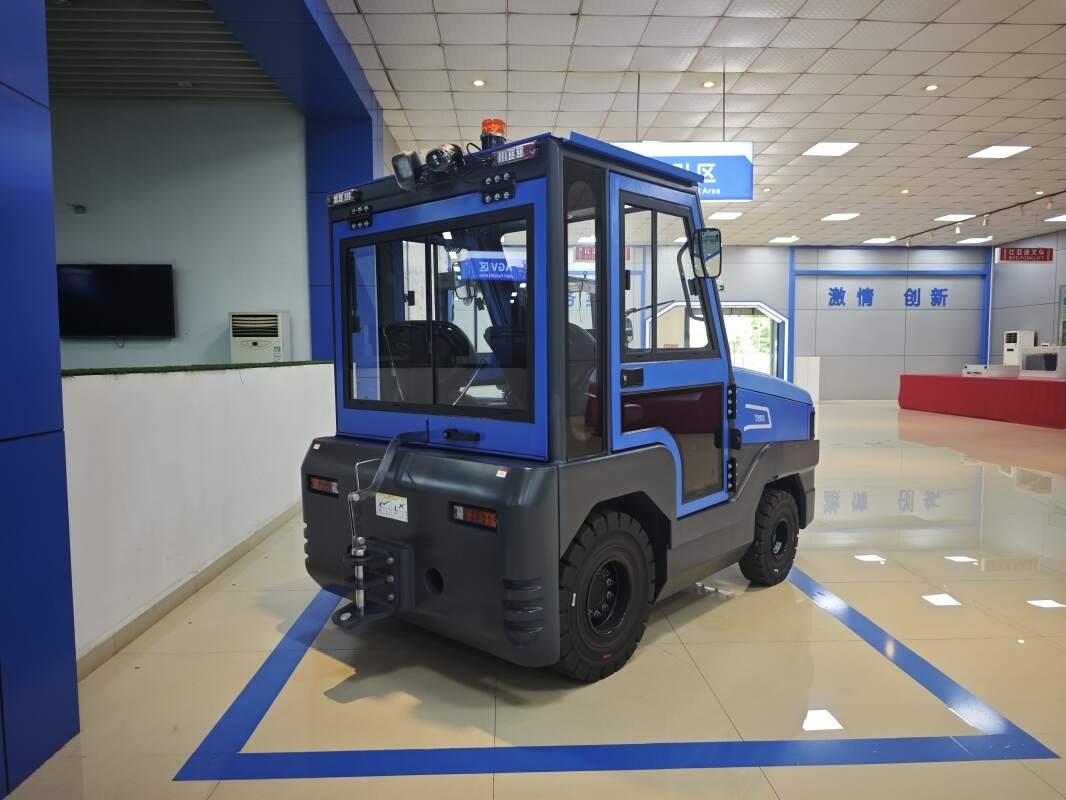
Jianshu New Energy focuses on BYD electric forklift, we can provide professional configuration suggestions for different food and beverage facility planning projects. If you have relevant demands, please contact us via [email protected].