
 English
 Русский
 Français
 Português
 Español
 لالعربية

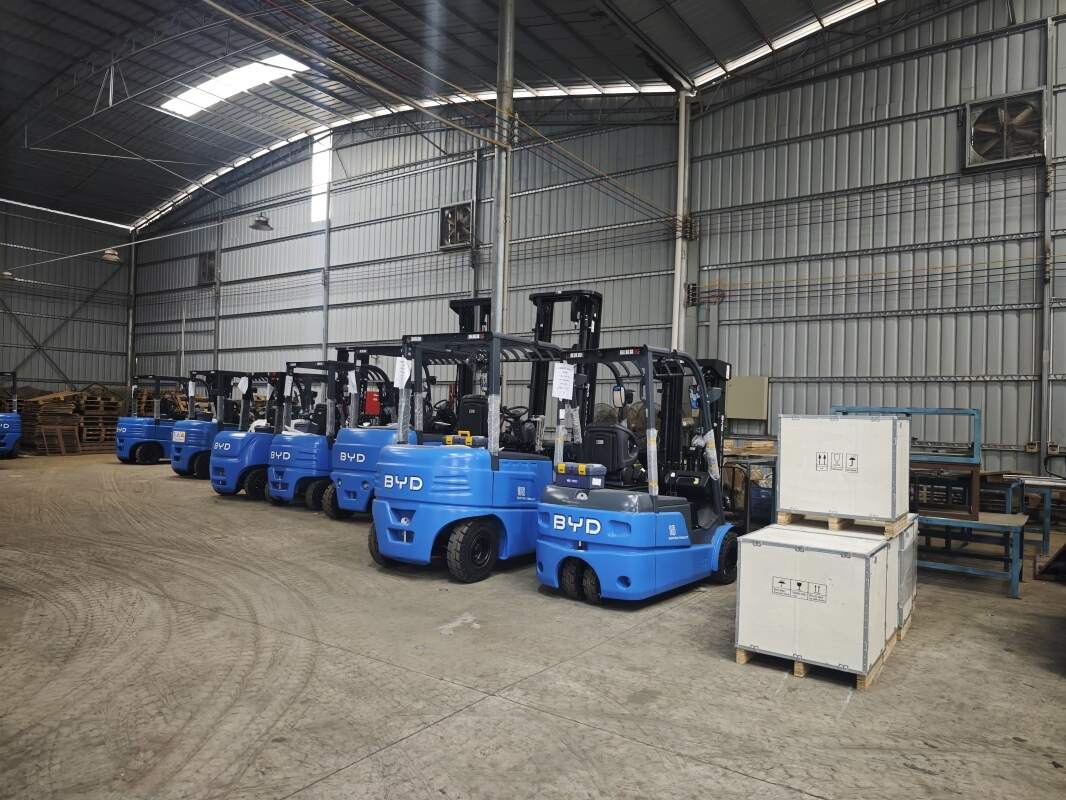
Against the general trend of low-carbon logistics development, electric forklifts have gradually become the mainstream handling equipment widely used in indoor warehouses, retail distribution centers and light manufacturing workshops. Different from traditional internal combustion handling tools, electric forklifts rely on electric energy as the power source, and their operation effect is closely related to standard operation habits and regular maintenance arrangements. The following content sorts out practical, industry-recognized operation suggestions for relevant practitioners for reference.
Core Functional Advantages of Electric Forklifts
Electric forklifts produce no exhaust emission during the whole operation process, and the overall operating noise is kept at a relatively low level, which will not cause adverse impact on the indoor working environment and the health of on-site staff. For conventional medium and low intensity handling scenarios, its energy consumption cost is more controllable than that of fuel-powered equipment, and it can adapt to the operation requirements of narrow channels, high-lift shelf access and other special warehouse layouts.
Standard Daily Operation Specifications
Before each shift of operation, operators need to complete a full pre-shift inspection, covering the remaining power of the power unit, the sensitivity of the braking system, the flexibility of the lifting mechanism and the normal status of the lighting and warning devices. In the process of handling goods, operators need to operate in strict accordance with the rated load parameters, avoid overloading for a long time, slow down when turning or passing areas with dense pedestrians, and pay close attention to the surrounding obstacles to avoid accidental collision with shelves or stored goods.
Routine Maintenance Management Points
During the daily use of electric forklifts, the dust and sundries accumulated at the heat dissipation part of the driving motor need to be cleaned regularly to ensure the normal heat dissipation effect of the equipment. For the power battery module, the charging operation shall be carried out in accordance with the specified operation guidelines, and situations such as excessive deep discharge and long-term overcharging shall be avoided as much as possible. The hydraulic oil level and sealing status of the lifting hydraulic system shall be checked periodically, and the potential leakage problems shall be dealt with in time once found.
Scenario-based Efficiency Optimization Suggestions
Warehouse managers can reasonably plan the operation routes of electric forklifts by combining the actual layout of the storage area, reduce unnecessary no-load driving distance, and allocate the corresponding number of equipment according to the peak and trough rules of handling work. Regular operation skill training for front-line operators can also effectively improve the smoothness of equipment use, reduce the failure rate in the operation process, and help extend the overall service life of the equipment.


