English
 Русский
 Français
 Português
 Español
 لالعربية


Many enterprises in warehousing, manufacturing and logistics sectors are shifting to lithium forklifts for low carbon emission and low operating cost, while many new users still have various doubts in actual use. Below we sort out the most frequently asked questions to provide clear and practical reference for operators and fleet managers.
Q1: What applicable scenarios can lithium forklifts fit in?
Unlike traditional internal combustion forklifts that rely on fossil fuel, lithium forklifts produce zero emission during operation, which can be used both in enclosed indoor warehouses and open outdoor cargo yards. It can adapt to routine cargo handling, stacking, short distance material transfer and other regular operations, and can also work in low temperature cold storage scenarios with matched temperature protection design. It will not produce exhaust gas that pollutes indoor goods, and will not cause health hazard to long-term on-site operators.
Q2: What is the general battery life performance of a standard lithium forklift?
Under standard full load working condition, a fully charged standard lithium forklift can support 4 to 6 hours of continuous stable operation. For enterprises that need multi-shift continuous operation, users can choose the optional fast charging module, which can complete sufficient power supplement during the staff break time, to meet the all-day operation demand without replacing the whole battery pack. Users can arrange the charging schedule according to their actual operation intensity to avoid operation interruption caused by insufficient power.
Q3: What are the key points for daily maintenance of lithium forklifts?
Compared with internal combustion forklifts, lithium forklifts do not need regular replacement of engine oil, filter elements and other consumable parts. Operators only need to check the cleanness of the battery connection port regularly, avoid the situation of over charging and over discharging, and do not expose the vehicle to strong sunlight for long time or soak it in water. Following these simple rules can effectively extend the whole service life of the forklift, and reduce the long-term fleet operation cost to a large extent.
Q4: Is lithium forklift safe enough in daily operation?
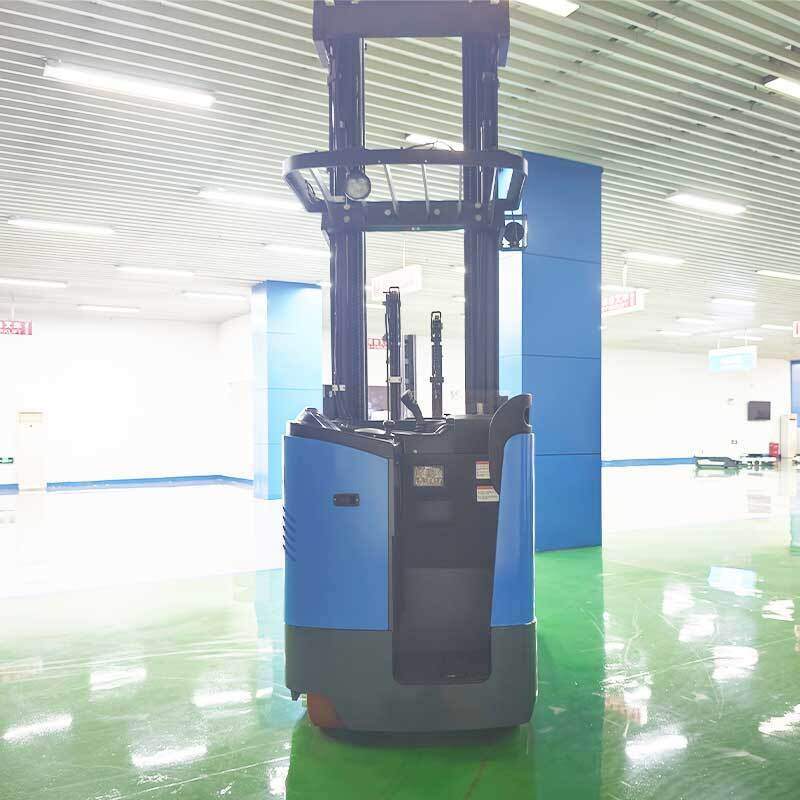
Qualified lithium forklift products are designed with multiple layers of protection mechanisms for the power battery, which can effectively prevent abnormal situations under normal operation, and meet the national industrial vehicle safety standards. Users only need to arrange regular operation training for staff, and follow the standard operation process to get stable and safe use experience.
As a professional new energy industrial vehicle service provider, Jianshu New Energy focuses on BYD electric forklift related supporting services and professional consultation. If you have more personalized questions about lithium forklifts, you can send email to [email protected] to get targeted reply from our technical team.