
 English
 Русский
 Français
 Português
 Español
 لالعربية


For enterprise procurement teams in charge of material handling equipment procurement and renewal, lithium-ion forklifts have become a mainstream compliant alternative to traditional internal combustion forklifts and lead-acid forklifts across various industries in recent years. The first core point procurement teams need to master is to calculate the full-lifecycle cost instead of only paying attention to the upfront purchase expenditure. Standard qualified lithium-ion forklifts do not need frequent daily maintenance such as battery water replenishment, electrolyte detection and regular battery replacement, which can help enterprises reduce 30% to 50% of long-term operating cost in normal use scenarios.
Second, procurement teams need to match equipment parameters with actual operation scenarios. For closed indoor warehouses, zero-emission, low-noise lithium-ion forklifts can meet environmental protection operation requirements, avoid additional carbon emission assessment cost and air quality management pressure for the operation site. For large logistics parks and port yards that need 24-hour continuous operation, products supporting fast charging can get enough power for 2 to 3 hours of operation within 1 hour of charging, there is no need to arrange redundant standby batteries to occupy extra storage space.
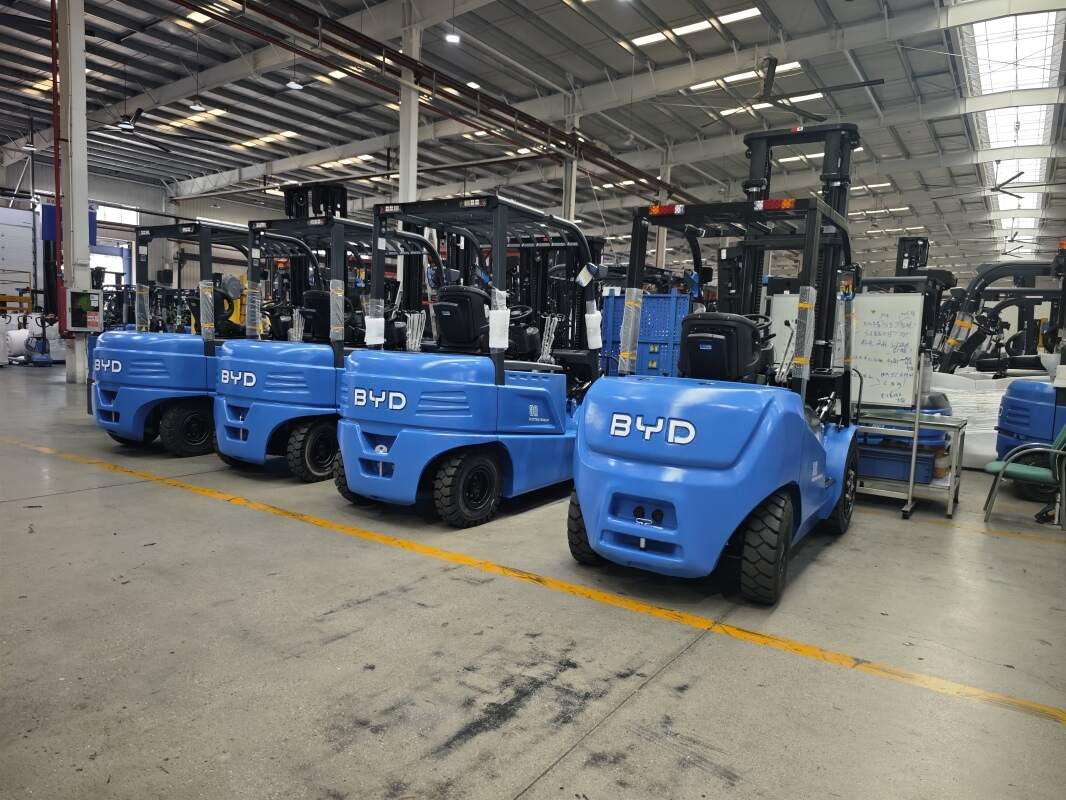
The third non-negligible point is compliance verification. Procurement teams need to confirm the selected lithium-ion forklifts meet local industrial safety operation standards, and the corresponding after-sales service system can respond to on-site maintenance demands in a timely manner, to avoid long-term equipment downtime disrupting the normal operation of the whole supply chain.
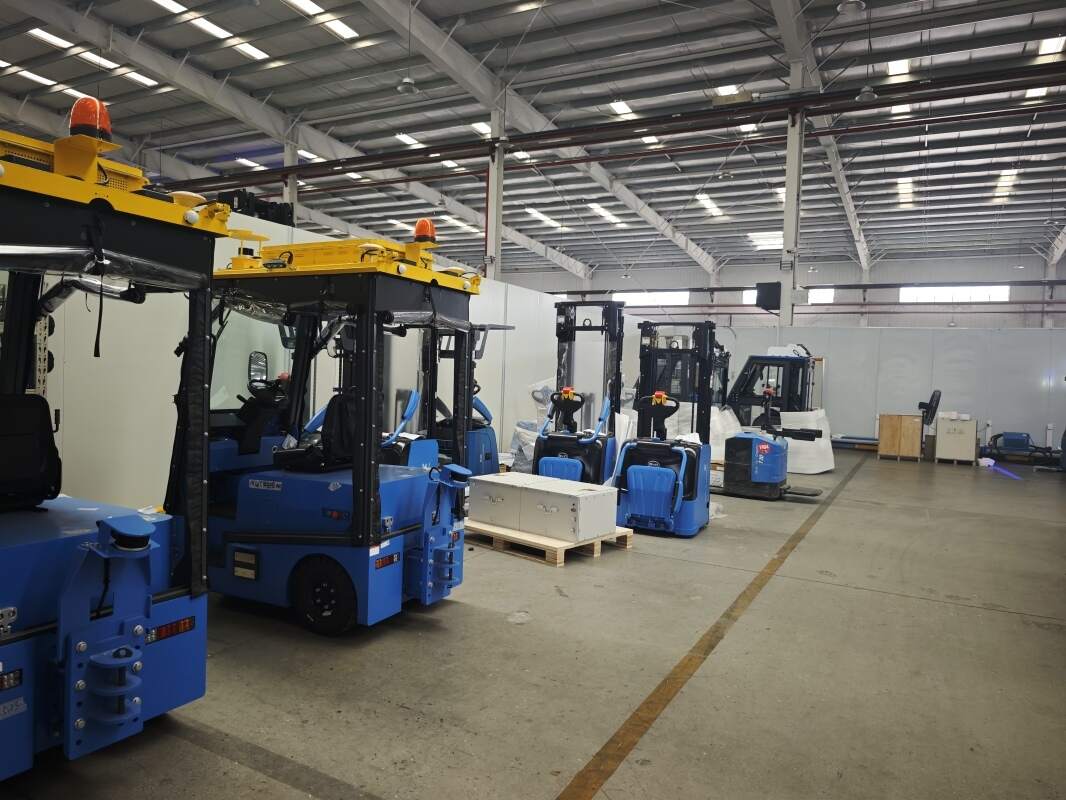
As a professional new energy industrial equipment service provider, Jianxin New Energy (尖树新能源) focuses on high-quality BYD electric forklift supply, we can provide customized selection plans for different industry scenarios. For any further demand and consultation, you can contact us via email at [email protected].


