
 English
 Русский
 Français
 Português
 Español
 لالعربية


When enterprises plan to replace traditional internal combustion handling equipment with new energy electric forklifts to meet low-carbon operation and cost control demands, they often face various confusing parameter labels and uneven product descriptions in the market. To avoid improper selection that may affect normal on-site operation, you can sort out your demands and confirm the following 6 core questions before making the final purchase decision.
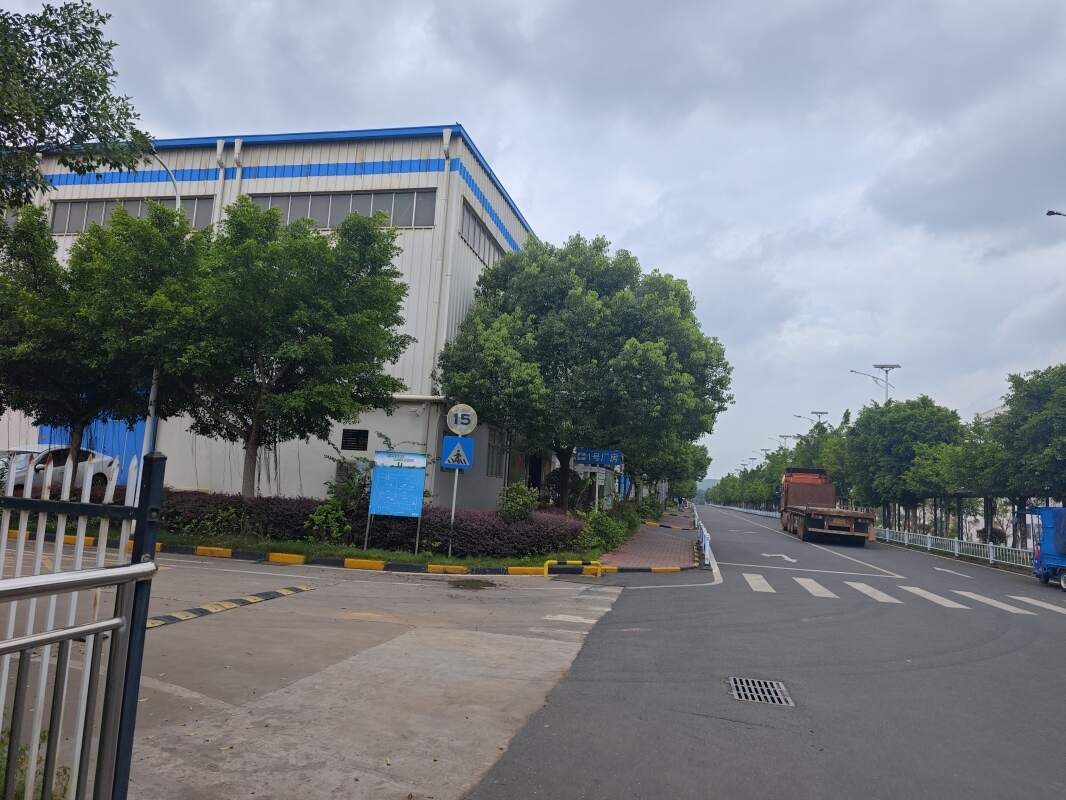
The first question you need to confirm is whether the actual continuous working hour performance of the forklift matches your daily operation intensity. Different working scenarios such as low-temperature cold storage, high-altitude areas, and heavy load frequency will bring different impacts on the actual endurance performance of the equipment, you need to verify the performance data under the same scenario close to your actual operation, rather than only referring to the theoretical data under ideal test conditions.
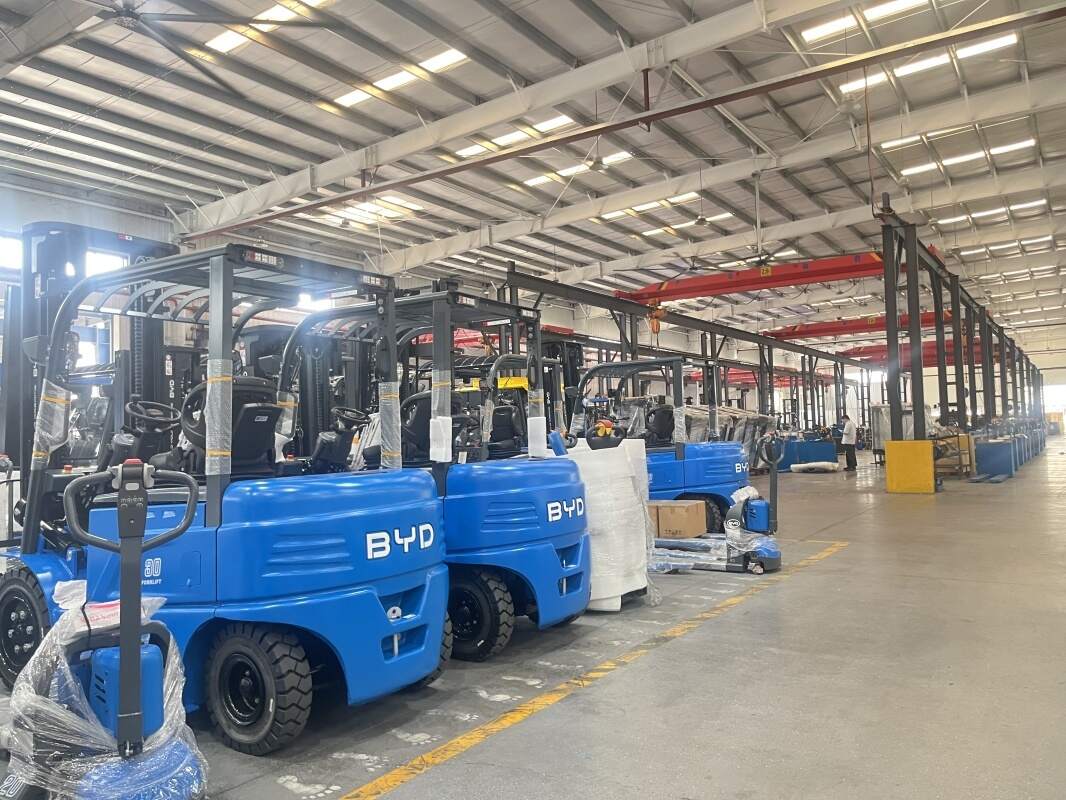
The second question is whether the power output system can adapt to your daily frequent start-stop, ramp climbing and high-intensity continuous operation demands. For logistics warehouses with frequent incoming and outgoing goods, stable and lasting power output can effectively reduce the waiting delay caused by insufficient power in peak operation hours.
The third question focuses on the routine maintenance cost and local after-sales service response cycle. Compared with internal combustion forklifts, electric forklifts do not need to replace engine oil, filter elements and other consumables frequently, which can reduce daily maintenance costs to a large extent. A clear local after-sales response mechanism can also ensure that minor faults can be handled in time to avoid affecting the normal operation of the whole site.
The fourth question is whether the mast lifting height, load center and rated load capacity of the forklift fully match your existing shelf specification, cargo size and on-site operation space. Many enterprises have already fixed the layout of shelves and operation channels, only the electric forklift with matching parameters can give full play to its operation efficiency.
The fifth question you need to ask is whether the operation interface and safety protection configuration of the forklift fit the operation habits of your on-site operators. A friendly and easy-to-learn operation logic can shorten the operator's adaptation cycle, and mature safety protection configurations such as overload protection, automatic deceleration when turning can effectively reduce the operation risk on site.
The sixth question is about the total cost of the whole product life cycle. In addition to the initial purchase cost, you also need to calculate the subsequent electricity cost, maintenance cost and residual value of the equipment after several years of use, so as to judge whether the input and output benefits meet your long-term operation plan.
As a professional provider in this industry, Jian Shu New Energy focuses on BYD electric forklift related solutions for different scenarios. If you need more targeted product consultation and scenario matching suggestions, you are welcome to send emails to [email protected] for further communication.


