English
 Русский
 Français
 Português
 Español
 لالعربية


Nowadays, lithium-ion forklifts have become a popular option for modern material handling scenarios, covering warehousing, manufacturing logistics, port cargo transfer and many other scenarios. Compared with traditional internal combustion forklifts and lead-acid battery forklifts, lithium-ion forklifts have obvious advantages in operation noise, zero direct emission and long-term operation cost control. However, many procurement teams may ignore many key details during the selection process, which may lead to mismatched equipment performance and actual operation demand later. To help users make more rational purchase decisions, we sort out 5 core questions that need to be confirmed before selecting a lithium-ion forklift.
The first question is to confirm the actual usable runtime under your regular working load. Do not only refer to the nominal runtime parameters marked on the product brochure, you need to combine the average weight of daily handled cargos, the frequency of ramp climbing, the working hours of each shift and the charging condition settings at your site to calculate the actual demand for battery life, to avoid insufficient runtime leading to work interruption.
The second question is about the regular maintenance requirement and expected service cycle of the core lithium battery pack. Different from lead-acid forklifts, standard lithium-ion forklifts do not need frequent water replenishment and corresponding electrolyte testing in daily use. You need to confirm the basic warranty scope of the battery pack, the regular inspection items and the expected normal service cycle under standard use, so as to reasonably calculate the long-term operation and maintenance cost.
The third question is whether the selected model can adapt to your specific operation scenarios. If your operation site includes narrow aisle storage, low temperature cold storage, outdoor muddy road sections or other special environments, you need to confirm the corresponding parameters of the equipment such as turning radius, shell protection grade, tyre anti-slip performance and maximum lifting height, to make sure the equipment can run stably and safely in your actual working environment.
The fourth question is what supporting services are included in the whole purchase package. You need to confirm whether the supplier provides on-site equipment debugging, operation training for drivers, post-sales maintenance response efficiency and temporary standby equipment support scheme, to reduce the risk of operation stagnation caused by equipment failure.
The fifth question is to calculate the total ownership cost within the whole life cycle of the equipment. Instead of only focusing on the initial purchase price, you can count the total cost including electricity cost, daily maintenance cost and residual value after the service period, to make a reasonable comparison with your long-term operation budget.
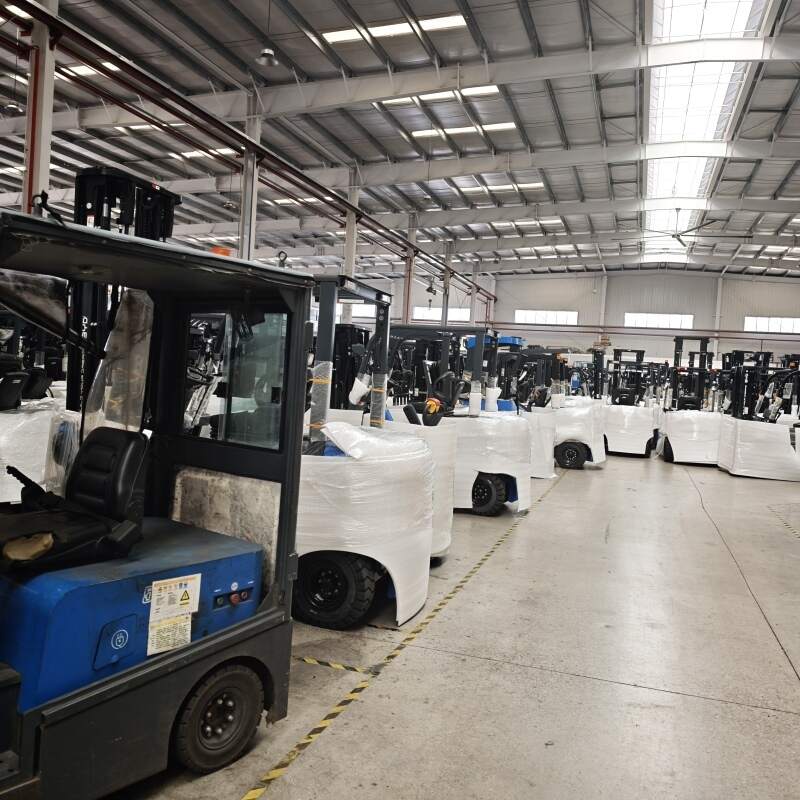
We are Jianshu New Energy, focusing on providing high-quality BYD electric forklift related services. If you have any demands for lithium-ion forklift consultation or customized scheme, you can send emails to [email protected] for further professional support.