
 English
 Русский
 Français
 Português
 Español
 لالعربية


A reach forklift is a highly specialized material handling equipment widely used in narrow-aisle warehouse scenarios, designed to lift and transport palletized goods efficiently at considerable heights. Before putting this equipment into daily operation, there are 10 key points you need to master to ensure stable, safe and efficient usage.
First, basic structural feature. Unlike standard counterbalance forklifts, the reach forklift comes with extended legs that stretch forward when the forks extend, which reduces the overall equipment footprint and allows operation in aisles as narrow as 2.7 meters for most regular models.
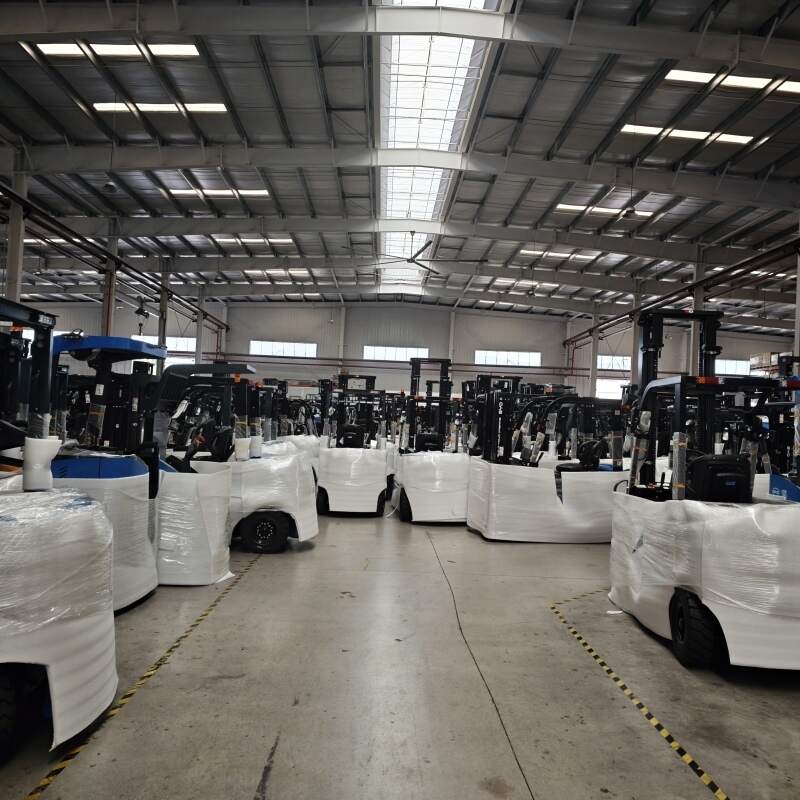
Second, load center specification. Most standard reach forklifts follow a 500mm standard load center rule, which means operators need to avoid placing heavy loads too far away from the fork surface to prevent unexpected tipping risks.
Third, narrow aisle operation advantage. It is specially developed for high-density storage scenarios, which can make full use of the upper storage space of the warehouse to improve the total storage capacity by 30% to 50% compared with using regular counterbalance forklifts in the same area.
Fourth, battery-powered mainstream design. Most modern reach forklifts adopt full electric drive design, which produces zero on-site emissions, and can work for 6 to 8 hours under normal continuous operation conditions after full charge.
Fifth, pre-operation inspection requirement. Operators need to check the brake response, fork wear condition, lifting chain tightness and warning light status before each shift, and report any abnormal situation to the management team in time instead of forcing the equipment to operate.
Sixth, lifting height limitation. The maximum working lifting height of regular civilian reach forklifts usually ranges from 8 meters to 12 meters, and you need to confirm the actual load capacity under different height levels before lifting heavy goods, as the rated load will drop when the lifting height increases.
Seventh, turning operation precaution. When operating in narrow aisles, operators need to slow down in advance before turning, and keep a safe distance with surrounding storage racks and staff to avoid collision risks.
Eighth, regular maintenance schedule. The electric driving components, lifting hydraulic system and wheel parts of the reach forklift need to be inspected and maintained every 200 to 300 working hours, which can effectively extend the whole service life of the equipment.
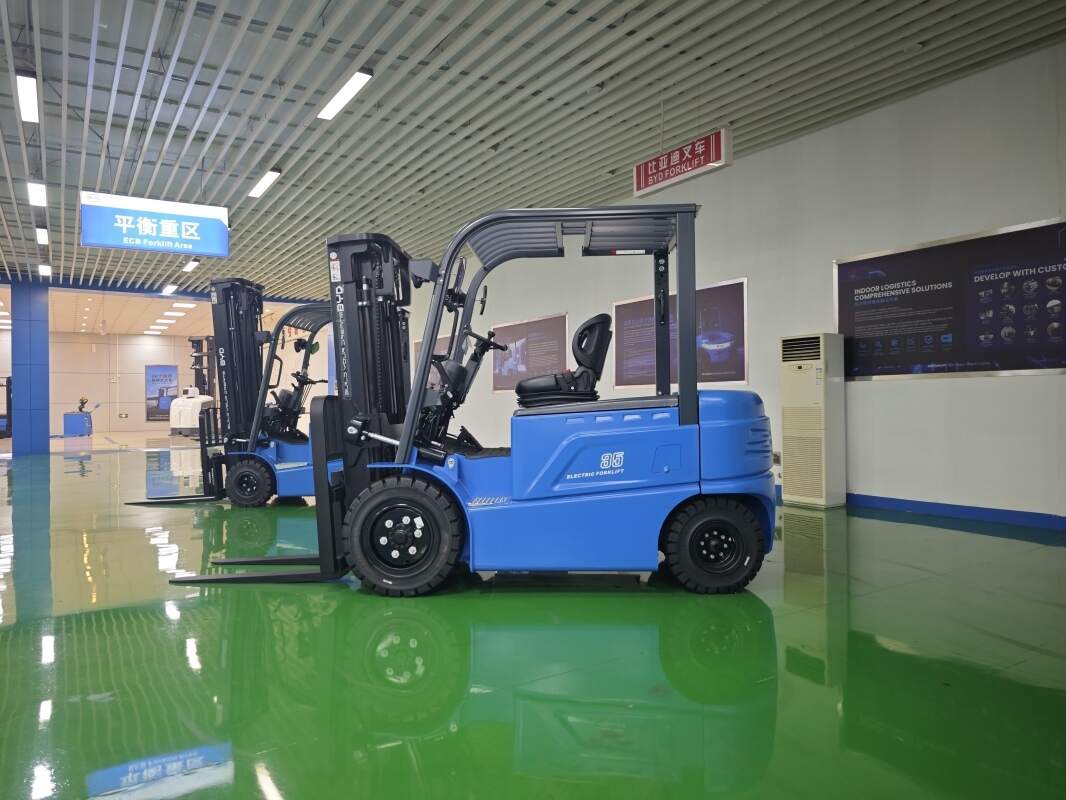
Ninth, operator certification requirement. Only staff who have completed formal professional operation training and obtained corresponding operation qualification can operate the reach forklift independently, no unlicensed operation is allowed to avoid safety accidents.
Tenth, adaptable scenario range. This type of equipment is most suitable for indoor dry warehouse scenarios, it is not recommended to use it on uneven ground or rainy outdoor sites, which may cause damage to the electric control components or stability risks.
We are Jianshu New Energy, a professional new energy intralogistics solution provider focusing on BYD electric forklift products and supporting full-cycle services. For any related consultation, please send email to [email protected].


