
 English
 Русский
 Français
 Português
 Español
 لالعربية


When your warehouse or logistics operation needs to handle high-lift stacking and narrow-aisle material movement, a reach forklift is one of the most practical industrial equipment options. To avoid mismatched purchase results and unnecessary operating cost increases, you need to clarify multiple core points before making the final decision. The following 10 key questions can help you sort out all core demands properly.
First, what is the maximum load weight you need to lift to the highest required height? Different operation scenarios have different load and height matching demands, you need to confirm actual working condition data rather than choose based on estimated values, to make sure the equipment can run stably in daily tasks.
Second, what is the minimum width of the working aisle in your warehouse? Reach forklifts are mostly used for narrow aisle operations, the aisle width data directly determines the proper body size parameter of the equipment you select.
Third, what kind of floor condition is the forklift going to run on? Uneven ground, slopes or special anti-slip floors all have different requirements for the chassis and wheel parameters of the reach forklift.
Fourth, how long is the average daily working duration of the forklift? This point directly relates to the battery configuration demand, to guarantee the equipment can finish full day working tasks without frequent charging interruption.
Fifth, do you have a dedicated charging area and corresponding operation management rules? A reasonable charging arrangement can effectively extend the whole service life of the power system of the equipment.
Sixth, what is the average operation skill level of the forklift operators in your team? You can select proper auxiliary operation functions according to the actual skill level of staff to lower operation risk.
Seventh, do you need to operate the forklift in special working environments such as cold storage? Special environment scenarios need corresponding targeted adjustment on the equipment’s protection performance.
Eighth, what is your long-term annual operation volume growth expectation for the next 3 to 5 years? Reserve proper performance allowance for future business expansion to avoid the equipment being out of demand in a short term.
Ninth, what is the after-sales service response cycle you can accept in actual operation? Clear after-sales guarantee clauses can reduce the loss caused by unexpected equipment failure.
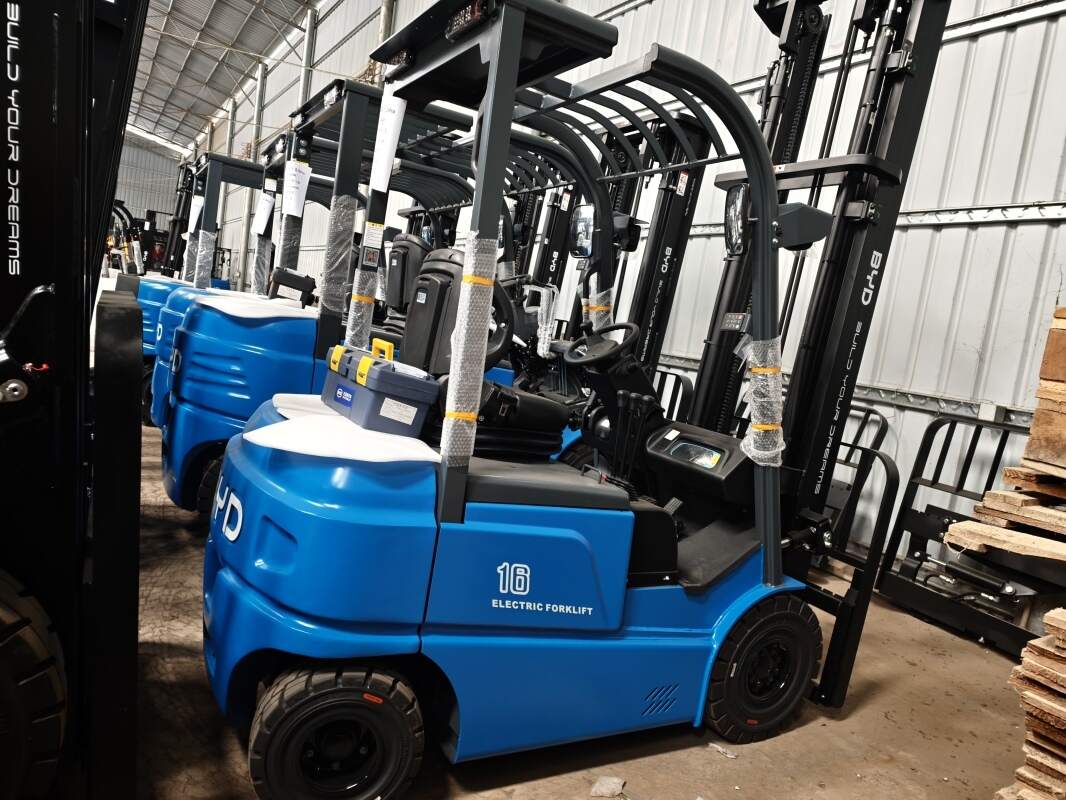
Tenth, what is the total operation cost budget that covers not only the one-time purchase cost but also later maintenance, energy consumption and component replacement cost? Calculating full life cycle cost can help you get more reasonable input output result.
At Jianxin New Energy, we are a professional team focused on BYD electric forklift solutions, we can provide full set of professional consultation and supporting service for your reach forklift selection demand, if you have any related inquiry, please send email to [email protected] to get targeted support.


