
 English
 Русский
 Français
 Português
 Español
 لالعربية


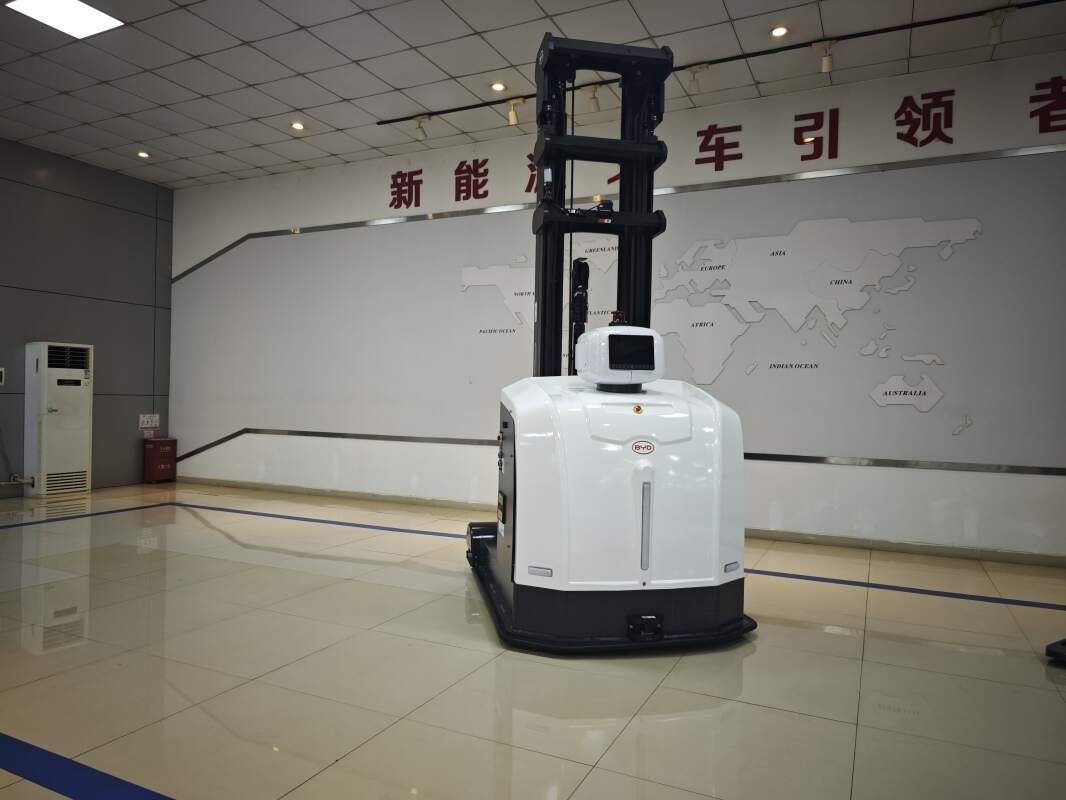
As the low-carbon logistics development trend gains popularity across various industrial sectors, electric forklifts have become a widely favored option for indoor material handling scenarios compared with traditional internal combustion counterparts. This guide shares professional practical knowledge covering core features, maintenance norms and operation guidelines for electric forklifts, to help relevant practitioners grasp correct application rules in daily work.
Core Performance Characteristics of Standard Electric Forklifts
Most modern electric forklifts adopt energy storage power modules that produce zero on-site emissions during operation, which can effectively avoid exhaust pollution to enclosed warehouse spaces. Their whole operation system runs with relatively low noise, creating a more comfortable working environment for frontline operators and surrounding staff. The overall structure of electric forklifts usually has fewer transmission moving parts, which reduces the occurrence of regular lubrication requirements and failure points compared with fuel-powered models, matching the use requirements of low-intensity to medium-intensity continuous material handling work.
Routine Maintenance Practices for Daily Use
Operators need to check the status of the power module, tire wear condition and brake sensitivity before starting each shift, to eliminate hidden safety risks in advance. After finishing daily work, it is recommended to park the equipment in a designated flat area, turn off the power supply completely, and wipe the dust and residual goods debris on the body surface to avoid long-term corrosion of exposed components. For the power storage unit, it is advised to follow the official charging specification to complete full charge cycles appropriately, avoid long-term over discharge or overcharge status, so as to maintain the stable performance of the power unit for a longer period.
Standard Operation Tips to Improve Working Efficiency
Before lifting heavy loads, operators need to confirm the actual weight of the goods does not exceed the rated load range of the equipment, and adjust the fork distance to keep the center of gravity of the goods in the middle of the two forks, to avoid rollover risk during moving. When driving in narrow warehouse aisles, operators need to slow down in advance, and pay attention to the surrounding passing pedestrians and stacked goods at the same time. After the operation is completed, the forks should be lowered to a safe height close to the ground, to avoid scratching the passing personnel or surrounding facilities in the moving process. Following the above reasonable application rules can help enterprises give full play to the use value of electric forklifts, reduce unnecessary equipment loss, and create a safer and more efficient material handling working system.


