
 English
 Русский
 Français
 Português
 Español
 لالعربية

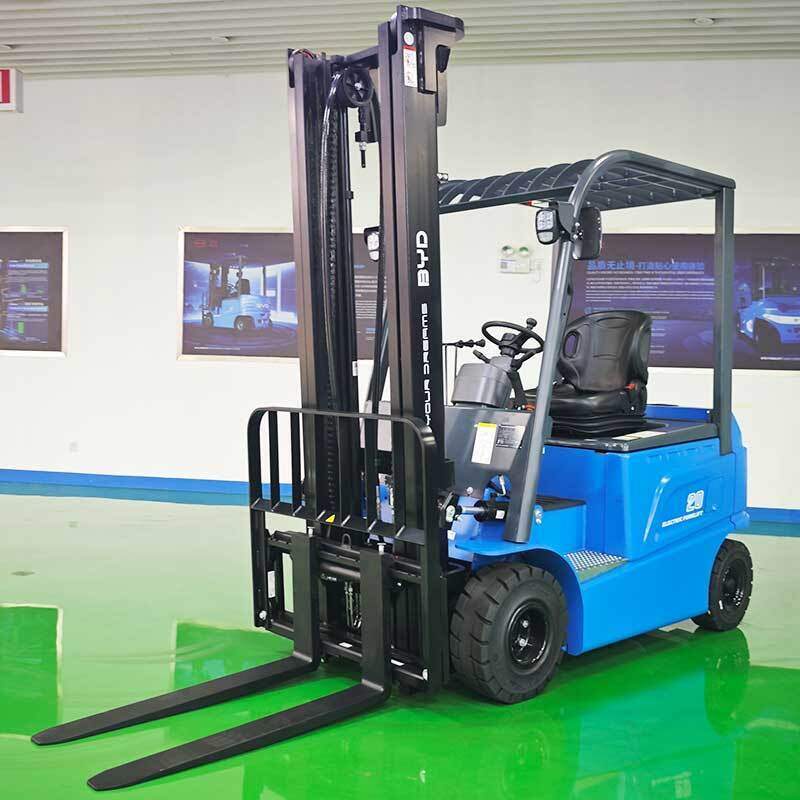
As low-carbon logistics equipment gets widely recognized across the entire material handling sector, electric forklifts have become a mainstream choice for most ordinary warehouses, manufacturing workshops and distribution center scenarios. Mastering standardized usage rules and targeted maintenance strategies can help operators give full play to the advantages of the equipment, and reduce unnecessary operation costs in daily work.
Core Safety Operation Norms for Daily Use
Before each startup, operators need to complete a full visual inspection of the whole vehicle, check the remaining power level clearly, confirm the flexibility of the lifting system and the normal response of braking and steering mechanisms. During driving process, the carried load weight should not exceed the rated load limit of the equipment, and the forks should be kept at a low height when moving on flat ground to avoid goods slipping or tipping risks. Operators need to keep a clear view of the surrounding environment all the time, avoid sudden acceleration or sharp turns, and never carry non-operating personnel on the vehicle body to prevent accidental injuries.
Routine Maintenance Points to Extend Equipment Lifespan
Different from traditional internal combustion forklifts, electric forklifts focus more on the maintenance of power systems and electrical components. Operators should wipe the surface of the battery shell regularly, to avoid accumulated dust and moisture causing hidden short circuit risks, and follow official operation specifications for charging work, avoid long-term over-discharging of the battery or using mismatched charging devices. It is also necessary to check the wear condition of tires every week, adjust the tightness of transmission parts appropriately, and clear the sundries accumulated in the heat dissipation channel regularly, to make sure the equipment can run in a stable state for a long period.
Optimization Tips for Different Application Scenarios
For high-frequency operation scenarios that require 24-hour continuous material handling, enterprises can arrange reasonable shift matching for different equipment, and reserve standby power packs appropriately to avoid operation interruption caused by sudden power exhaustion. For narrow aisle warehouse scenarios, operators can adjust the default running speed in advance according to the actual aisle width, and plan the daily handling route reasonably to reduce unnecessary turn waiting time, which can effectively improve the overall handling efficiency of the whole working area.


