
 English
 Русский
 Français
 Português
 Español
 لالعربية

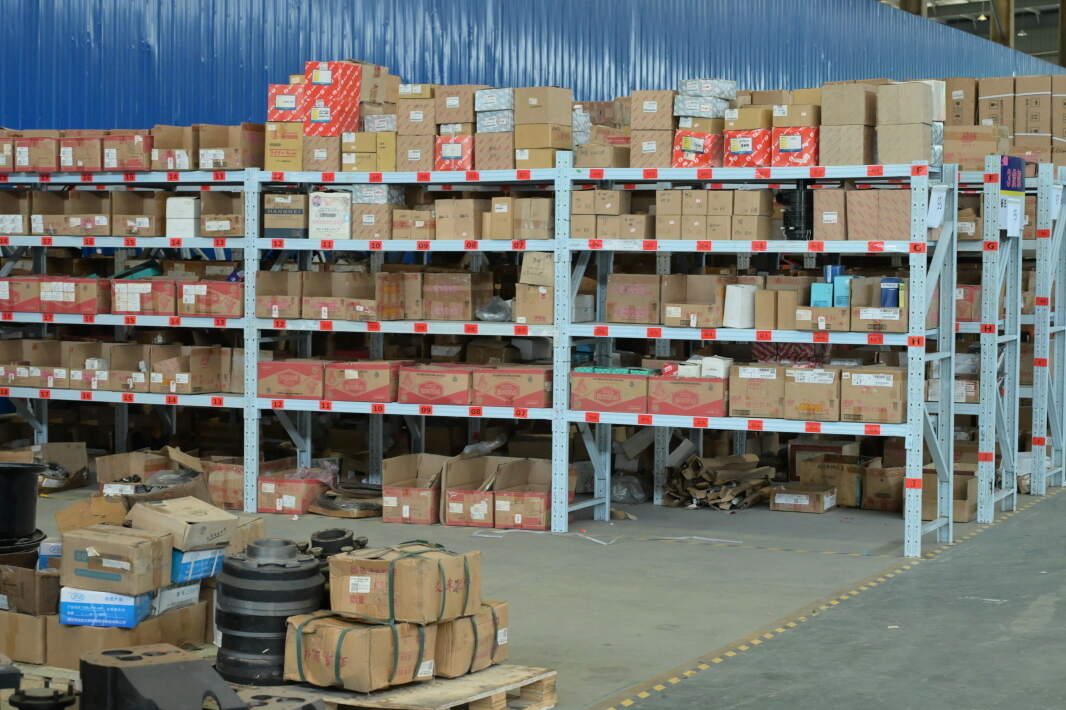
As zero-emission material handling equipment, electric forklifts have been widely adopted in various logistics and industrial scenarios in recent years, bringing more flexible and low-cost operation options for warehouse operators.
Core Performance Characteristics of Electric Forklifts
Different from traditional internal combustion handling equipment, electric forklifts rely on electric power drive systems, which produce no exhaust gas during operation, and generate far lower noise and vibration than fuel-powered counterparts. This feature makes them suitable for long-term operation in closed indoor spaces, avoiding the health risks brought by exhaust emission accumulation. Most modern electric forklift models also have compact body designs, which can pass through narrow working aisles without occupying extra operating space, effectively improving the unit storage capacity per unit area of the warehouse.
Standard Daily Operation Specifications
Before starting each shift, operators need to complete a full pre-operation check, including confirming the remaining power of the power battery, testing the flexibility of the braking system, checking the normal operation of the warning light and horn, and confirming that there is no obvious damage on the fork and load backrest. During the operation process, operators need to avoid overloading beyond the rated load range, keep a safe distance with surrounding staff and shelf structures, and avoid sharp steering and sudden braking when the equipment is running at a high speed. For long-distance transfer operation, the running speed should be kept within the safe range set by the equipment parameters.
Routine Maintenance Suggestions
Regular daily maintenance can effectively prolong the service life of electric forklifts and reduce unexpected failure rates. Operators need to regularly check the electrolyte level of the power battery, keep the surface of the battery pack dry and clean, and avoid liquid accumulation or dust coverage affecting the heat dissipation effect. The transmission and walking components need to be lubricated on a regular basis according to the operation manual requirements, and the worn parts should be replaced in time when the wear degree reaches the specified threshold. After each shift is completed, the equipment should be parked in the designated position, the power supply should be cut off completely, and the charging work should be completed in the designated special charging area.
Scenario Adaptation Notes
For special working scenarios, operators need to adjust the use scheme of electric forklifts according to the actual environment. For low-temperature cold storage scenarios, matching low-temperature resistant components can be selected to avoid the sudden drop of battery output efficiency in low temperature environment. For high-humidity working spaces, corresponding moisture-proof treatment can be done for the electrical connection parts to reduce the risk of short circuit. For continuous high-intensity operation scenarios, operators can arrange reasonable battery rotation schemes to ensure the continuity of material handling work.


