
 English
 Русский
 Français
 Português
 Español
 لالعربية

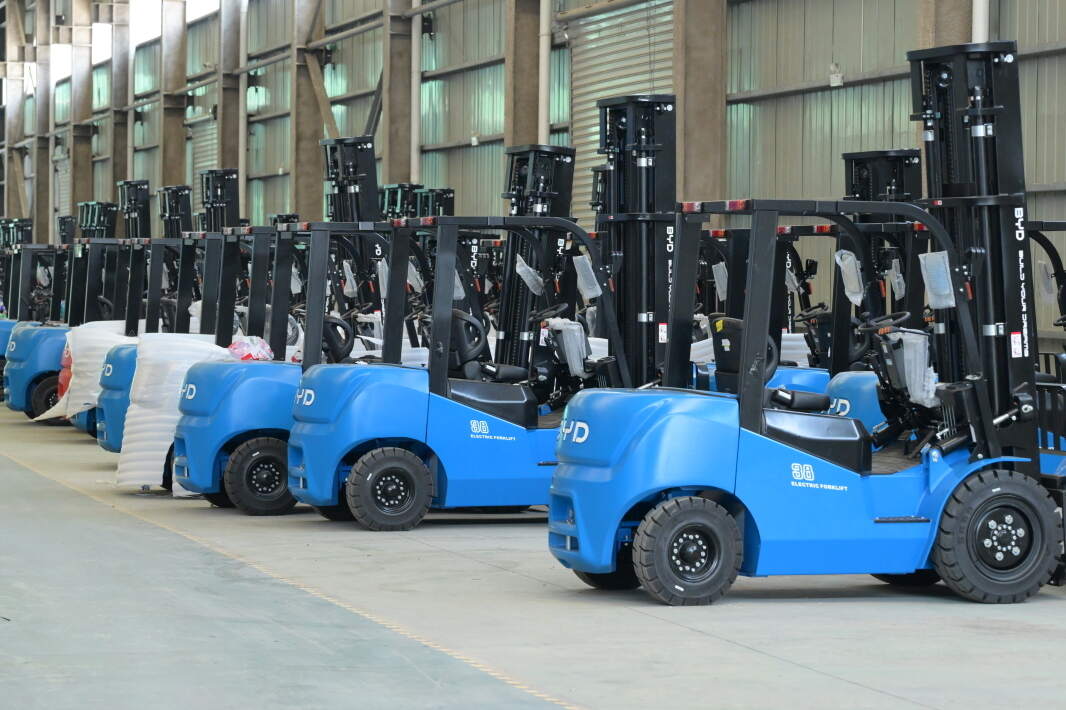
As low-carbon logistics becomes the mainstream trend of modern material handling, electric forklifts are widely applied in various indoor and outdoor industrial scenarios for their low noise, zero local emission and low long-term operating cost features. Mastering proper operation and maintenance rules can help relevant practitioners give full play to the advantages of such equipment, and avoid unnecessary performance loss or hidden safety risks.
Core Daily Maintenance Protocols for Long-Term Stable Operation
Daily pre-shift inspection is the basic link to avoid unexpected equipment downtime. Operators can check the power status, tire wear condition, braking sensitivity and light indication system before each shift, and clean the accumulated dust on the heat dissipation components regularly to avoid overheat caused by poor ventilation. For power supply modules, follow the standard charging process, avoid deep discharge for long periods, and store the equipment in dry and ventilated environment when it is not in use for a long time, to extend the overall service life of core components.
Standardized Operation Practices to Reduce Unnecessary Wear
Non-standard operation behavior is one of the main causes of premature component damage. Operators should avoid carrying loads exceeding the rated load capacity of the equipment during operation, keep smooth acceleration and deceleration as much as possible, and reduce frequent sharp steering to avoid extra loss of transmission systems. When moving in narrow warehouse passages, keep a proper safety distance with surrounding goods and facilities, and reduce emergency braking actions in high-speed moving status, to lower the risk of goods falling or equipment collision.
Optimization Strategies to Boost Overall Operational Efficiency
Reasonable workflow arrangement can further improve the output per unit of electric forklift. Site managers can formulate proper operation routes based on the layout of the storage area, reduce no-load driving distance in the shift, and match corresponding equipment models for different handling tasks to avoid mismatching of load capacity and actual demand. Regularly organize operational skill training for all relevant personnel, to help them master the energy-saving operation skills, and improve the overall turnover efficiency of warehouse goods handling. Scientific and systematic management of electric forklift use and maintenance can create considerable long-term value for material handling sites, and support the stable operation of daily logistics links.


