
 English
 Русский
 Français
 Português
 Español
 لالعربية

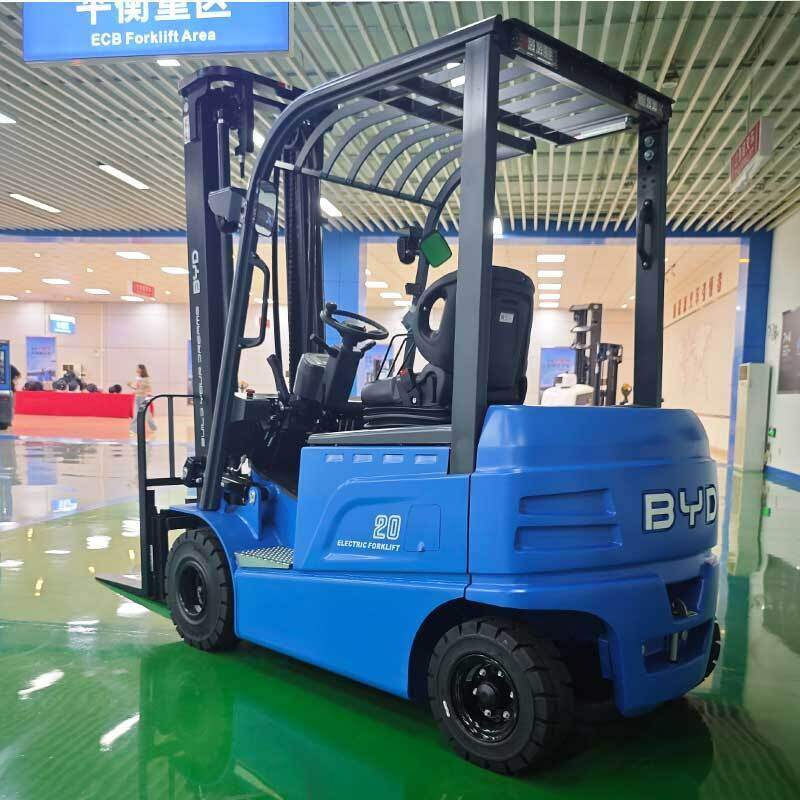
As low-carbon logistics concepts gain wider popularity across the global material handling sector, electric forklifts have gradually become a mainstream option for most indoor and semi-enclosed warehouse operation scenarios, taking up an increasing share of equipment deployment that used to be dominated by traditional internal combustion models. Numerous frontline operators and logistics managers are looking for systematic, easy-to-implement guidance to fully tap the use value of this type of equipment in daily workflows.
Core Performance Advantages of Standard Electric Forklifts
Unlike fuel-powered counterparts, electric forklifts run on stored electrical energy, producing no direct exhaust emissions during the whole operation process, which well meets the environmental requirements of enclosed warehouse spaces, fresh food storage areas and other scenarios that set strict rules for on-site air quality. Their overall operating noise level is noticeably lower than that of fuel-driven equipment, reducing unnecessary noise interference for on-site working staff and adjacent office or rest areas. In terms of unit hour operating cost, the energy consumption expenditure of electric forklifts is generally lower than the fuel cost of similar load-grade internal combustion forklifts for long-term continuous use.
Necessary Daily Maintenance Practices for Stable Operation
Standardized regular daily checks can effectively reduce the unexpected equipment failure rate. Operators need to inspect the power connection components, tire wear status, brake sensitivity and lifting mechanism flexibility before each shift, and record relevant status data in the designated management log. For the energy storage system, it is advisable to follow the official specified charging procedures, avoid frequent over-discharging and long-term under-charging status, and keep the surface of the energy module clean and dry. The dust accumulated on the motor and heat dissipation parts should be cleaned at regular intervals to ensure stable heat exchange performance even during high-intensity continuous operation.
Practical Tips to Improve Operation Matching Degree
Before deploying electric forklifts in specific scenarios, the operation management team can adjust relevant functional parameters according to the average load weight, daily operating distance and aisle width of the working site, to make the equipment performance better match the actual operation demands. For staff who have no prior experience of using electric forklift equipment, targeted operation training focusing on unique driving feel, response characteristics of the control system and emergency handling rules can effectively reduce misoperation risks. When arranging daily operation schedules, it is recommended to reserve reasonable charging and rest gaps for the equipment according to the daily work intensity, to avoid long-time continuous overloaded operation that causes extra wear of core functional components. Proper application and scientific management of electric forklifts can help logistics teams build a safer, more comfortable and more cost-effective material handling working environment, bringing tangible improvements to the overall operation level of the storage system.


